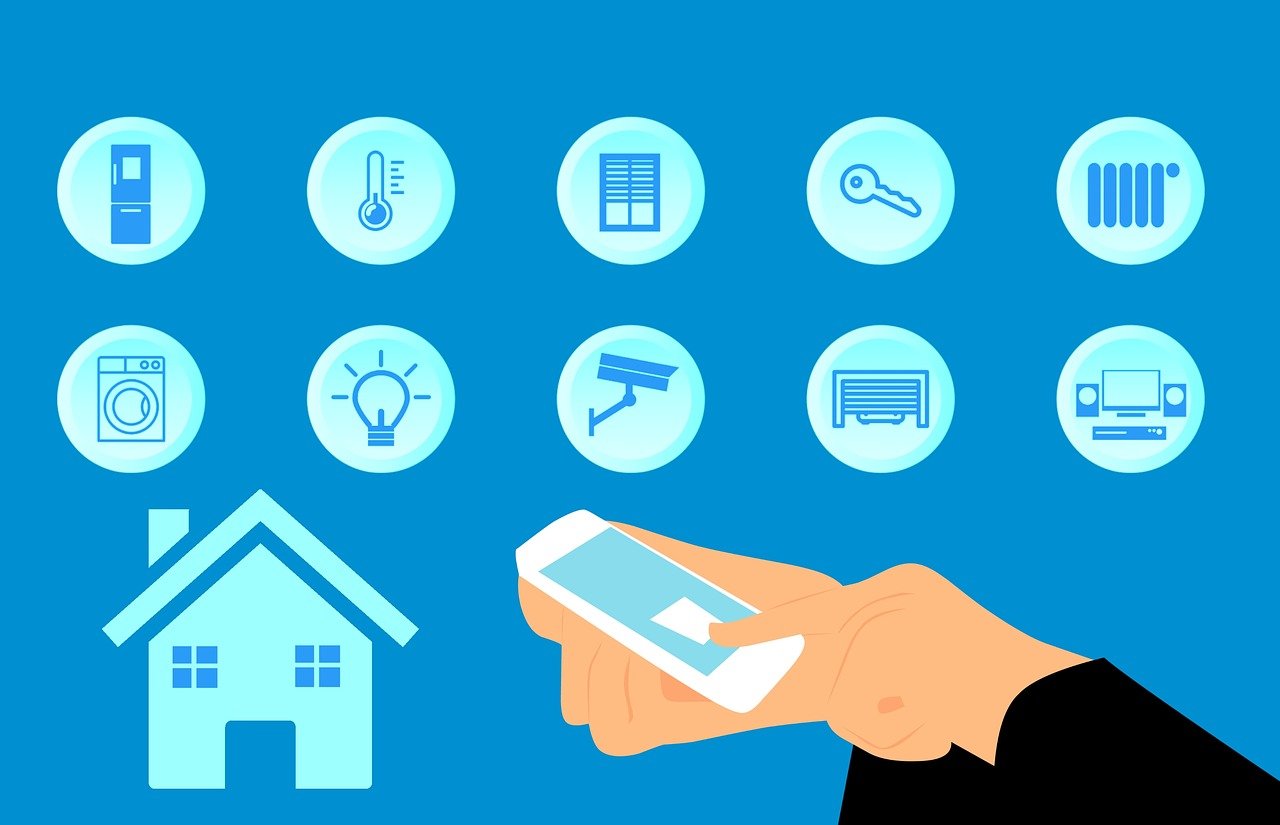
Three years ago I dropped $850 making my house "smart" and honestly? I thought that was it. Set it, forget it, live like Tony Stark, right?
Disclosure: This post may contain affiliate links. If you buy through these links, Trunetto may earn a commission at no extra cost to you.
Look, I'm not gonna pretend I saw this coming.
Three years ago I dropped $850 making my house "smart" and honestly? I thought that was it. Set it, forget it, live like Tony Stark, right?
Narrator: That is not what happened.
The smart home world moved fast. Like, uncomfortably fast. And now in 2025, I'm looking around my house realizing half my stuff is outdated and the other half is just... different than what people are buying now.
So let me break down what actually changed in modern smart homes, what's still the same mess it always was, and what's worth paying attention to if you're doing this in 2025.
The Stuff That Got Better (Finally)
Smart Lights Stopped Being a Nightmare
Remember when you needed a bridge, a hub, a PhD, and a prayer to get your lights working? Yeah, that's mostly gone now.
Most smart lights in 2025 just connect to your WiFi. No hub. No extra box. You download the app, screw in the bulb, and you're done. Philips Hue still wants you to buy their bridge, but even they added Bluetooth options because they finally got the hint.
The lighting systems also got smarter about actual lighting. Like, they can mimic natural daylight cycles now without you programming anything. My kitchen lights shift from bright white in the morning to warm amber at night and I didn't set up a single routine for that.
It just... works? Wild.
Thermostats Learned to Shut Up
This one's personal because my Nest used to wake me up at 2am with "helpful" energy tips.
New thermostats are way less chatty. They still learn your schedule, they still save you money (mine dropped my electric bill about 22% over a year), but they're not constantly begging for attention.
The big difference? Most of them actually explain their decisions now. When my Ecobee cranks the heat at 5am, it tells me "because you usually wake up at 6 and hate cold mornings." That's weirdly... considerate?
If you're comparing options, I tested three major thermostats and honestly the gap between them got way smaller in 2025. Pick based on your ecosystem (Google, Apple, Amazon) and move on.
My first security camera sent me 47 notifications in one day because it thought a tree was a burglar.
The AI in modern cameras is legitimately good now. They know the difference between a person, a package, a car, and a raccoon. (The raccoon thing is more important than you'd think.)
Ring, Arlo, Eufy—they all have "smart zones" now where you can basically tell the camera "I don't care about that corner where the tree moves, only tell me about the driveway." And it actually listens.
Battery life got way better too. I'm charging my cameras like twice a year instead of twice a month. If you're looking at cameras, here's what I learned spending $600 on them.
The Stuff That's Still Broken
Everything Still Doesn't Talk to Everything
This drives me insane.
I've got Google stuff, Amazon stuff, and some random smart plugs that only work with their own app. They're all "smart" but they're dumb about each other.
Matter was supposed to fix this. And it's... better? Kind of? Some devices work across ecosystems now, but it's not the magic solution everyone promised. You still need to check compatibility before you buy anything.
My advice: Pick one ecosystem (Google Home, Apple HomeKit, or Alexa) and stick with it as much as possible. Mixing them works sometimes. Sometimes it's a disaster.
Installation Costs Are All Over the Place
This hasn't changed at all.
You can still get quotes for the same job that range from $200 to $800 depending on who you call. The cost situation is still brutal if you need professional help.
I've learned to get at least three quotes for anything I can't install myself. And honestly? DIY is easier now for most things. But for stuff like hardwired security systems or whole-home automation, you're gonna pay someone. Just make sure you're not overpaying.
Voice Assistants Are Still Kinda Dumb (But Getting Better)
"Alexa, turn off the bedroom light."
"I found six devices named bedroom. Which one?"
"The bedroom light."
"Turning on the living room fan."
Yeah. That still happens. But I'll admit—voice control got way better at understanding accents and background noise. And now they can recognize different voices in the house, so Alexa knows when my wife asks for her morning playlist versus when I ask for mine.
About 75% of households use voice assistants now. That's... a lot. But it's still not as seamless as the commercials make it look. You still need to name your devices carefully and remember exactly what you called them.
The dream of just saying "turn off all the lights" and having it work perfectly is real now, though. That part actually works.
What's Actually New in 2025
Energy Monitoring Became Standard (And Actually Saves Money)
This is the sleeper hit of modern smart homes.
Most new smart plugs, thermostats, and even some light switches now show you exactly how much energy they're using in real-time. My electric company app syncs with my smart home stuff and breaks down where my money is going.
Turns out my old dehumidifier was costing me $40 a month to run. I replaced it and that paid for two new smart plugs in three months.
The sustainability angle is getting real too. Smart thermostats can cut heating and cooling costs by up to 8%. LED smart bulbs use 75% less energy than old bulbs. And the energy monitoring actually makes you think twice about leaving stuff on.
I didn't buy smart home gear to save the planet. I bought it because it's cool. But the energy savings are legit enough that I'm not just saving money—I'm also not wasting electricity like I used to. Win-win.
Matter Made Some Stuff Less Annoying
Okay, I just complained about Matter not fixing everything. But it did make some things less annoying.
Devices that support Matter can work with Google, Alexa, and Apple at the same time now. So if you have an iPhone but your partner has Android, you're not fighting about which ecosystem to buy into anymore.
It's not everywhere yet. But it's a start.
AI That Actually Learns Your Habits
Okay this one's actually kind of creepy but also useful?
New smart home systems don't just follow the schedules you program. They watch what you do and adapt automatically. My lights now turn on 10 minutes before I usually get home from work—except on Fridays when I get home earlier. I never told it that. It just... figured it out.
Same with my thermostat. It learned that I like it cooler when I'm working from home versus when the house is empty. And it adjusts for weather too. Cloudy day? Bumps the heat up a bit because apparently I'm cold when it's gloomy.
It's the kind of thing that sounds like marketing fluff until it actually starts working. Then it's genuinely helpful.
Health Monitoring Is Sneaking Into Everything
This wasn't even on my radar three years ago.
Now my air purifier tells me when pollen counts are high. My bathroom mirror (yes, really) tracks my sleep quality based on... I don't even know what. And some smart toilets can literally analyze your health metrics.
I'm not there yet on the smart toilet thing. But the air quality monitoring? That's actually been huge for my allergies.
It's not just about automation anymore. It's about your house actually looking out for you. Which sounds ridiculous typed out but it's real.
The Wild Stuff From CES 2025
If you follow tech news, you probably saw some of the ridiculous smart home stuff unveiled at CES this year.
Robot vacuums with arms that pick up your socks and put them in the hamper. Smart locks that use ultra-wideband tech so your phone unlocks the door from 15 feet away, not just when you're fumbling at the doorknob. Smart lights that show multiple colors at once in patterns.
Most of this stuff is either crazy expensive or not available yet. But it shows where things are heading. And honestly? Some of it looks legitimately useful. The rest looks like solutions searching for problems.
I'm keeping an eye on the robot vacuum with arms though. My wife leaves her slippers everywhere.
Should You Upgrade Your Old Smart Home Stuff?
Here's my honest take after three years:
If your current setup works and you're happy, don't upgrade just because new stuff exists. Smart home FOMO is real and expensive.
But if you're dealing with any of these, yeah, consider upgrading:
Your smart lights need a hub that's gathering dust
Your thermostat doesn't have energy monitoring
Your cameras send you false alerts constantly
You're using five different apps for five different devices
The jump from 2022 tech to 2025 tech is noticeable. Not life-changing, but noticeable.
What I'd Do Differently Starting Today
If I was building a smart home from scratch in 2025, here's what I'd do:
Start with lighting and climate control. These have the biggest impact on daily life and actually save money. Everything else is nice-to-have.
Buy Matter-compatible devices when possible. Future-proof is a strong word, but this is as close as you're gonna get.
Get professional installation for anything hardwired. I can't tell you how many times I've seen people try to DIY smart switches and thermostats only to call an electrician anyway. If you need quotes, just get them upfront. Save yourself the headache.
Use an energy calculator before buying. Figure out if this stuff will actually save you money or if you're just buying gadgets because they're cool. (Both are valid reasons, but know which one you're doing.)
Stick with one ecosystem. I know I said this already. I'm saying it again because it matters. Pick Google, Apple, or Amazon and commit. Your future self will thank you.
The Bottom Line
Modern smart homes in 2025 are legitimately better than they were a few years ago. Setup is easier, devices are smarter, and fewer things randomly break at 3am.
But they're not magic. You still need to plan, budget, and occasionally troubleshoot why your bedroom light thinks it's in the garage.
The good news? The floor is way higher now. Even budget smart home gear in 2025 is pretty solid. You don't need to spend thousands to get a setup that works.
You just need to know what you're actually trying to solve. Better lighting? Lower electric bills? Feeling like you live in the future?
Figure that out first. Then build around it.
Need help getting started? If you're stuck on where to start or what anything costs, get some free quotes from local installers who've done this a thousand times. Sometimes the best smart home move is admitting you don't want to figure it out alone.
That's where I'm at three years in. Still learning. Still upgrading. Still occasionally yelling at Alexa.
But my lights work, my bills are lower, and my house feels a little more like the future we were promised.
Just don't ask it to play the right song. We're not there yet.