Philips Hue vs Govee Smart Lighting (2026): Premium vs Value Showdown
Philips Hue vs Govee smart bulbs: premium ecosystem reliability versus lower-cost color control.


Trunetto is a participant in the Amazon Services LLC Associates Program. We earn a commission from qualifying purchases at no additional cost to you. Our editorial picks are independent.
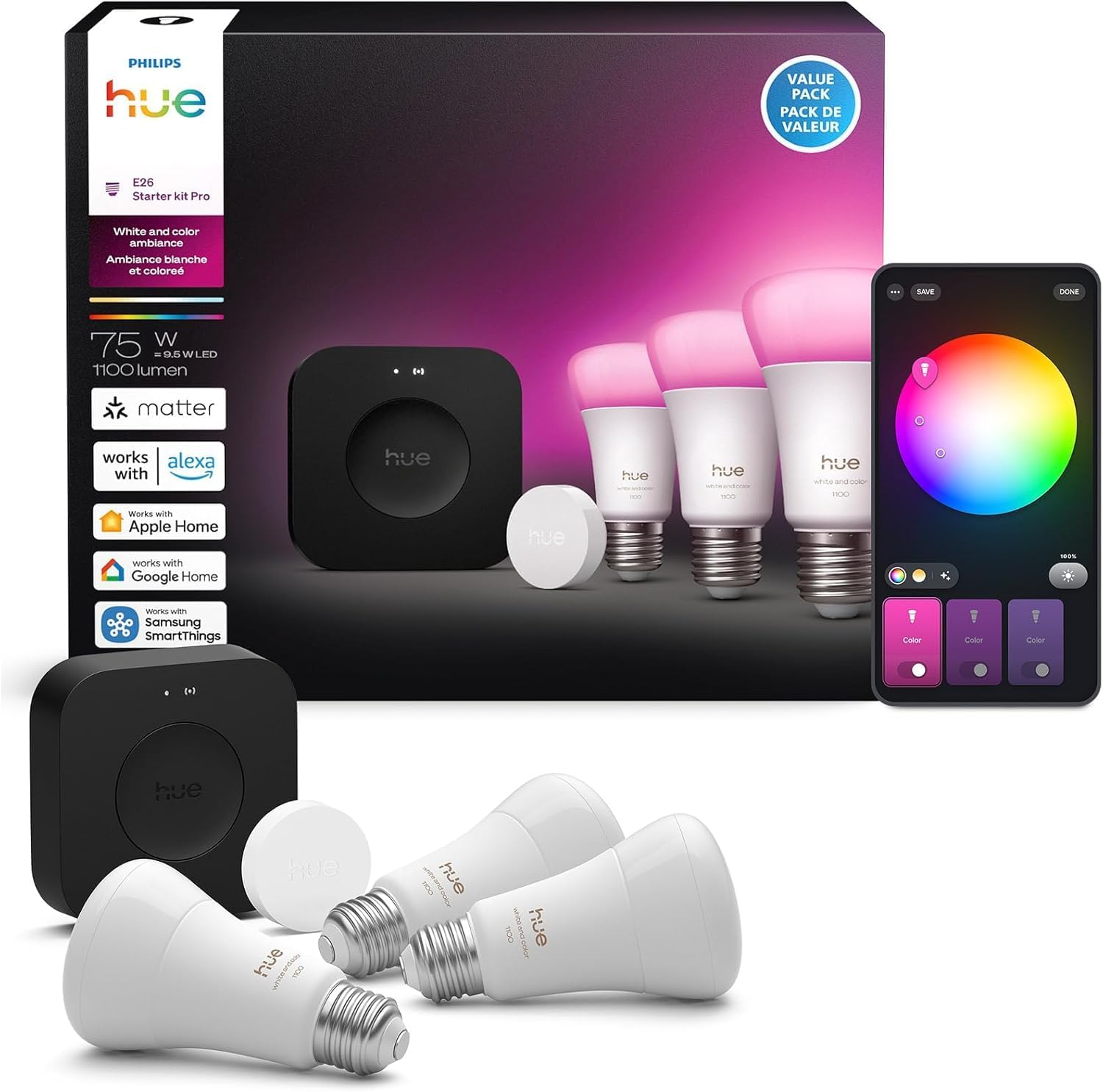
Philips Hue vs Govee is one of the most common smart-lighting decisions, but the real question is not just price. It is whether you want premium ecosystem stability and local-control depth, or lower-cost smart bulbs that still deliver strong color scenes and app control. Philips Hue remains the benchmark for households building larger whole-home automations through Hue Bridge, HomeKit, and Matter-compatible workflows. Govee smart bulbs are attractive for buyers who want fast value, vivid color, and less upfront cost without buying a hub first. This comparison focuses on smart bulb ownership outcomes: setup friction, reliability at scale, ecosystem integration, and practical long-term value for real homes.
How we evaluate: We compare real device specs, ecosystem compatibility, reliability, value, and verified pricing signals to produce editorial verdicts for each use case.
Key Differences at a Glance
| Decision Factor | Philips Hue White & Color Ambiance A19 Bulb | Govee 1600 Lumens Smart Light Bulb |
|---|---|---|
| Price (Latest Verified) | $49.49 (verified Jul 23) | $39.99 (verified Mar 20) |
| Connectivity Stack | Wi-Fi, Matter | Matter |
| Smart Home Ecosystem Support | Alexa, Google, Apple Home | Alexa, Google |
| Matter Support | Yes | Yes |
| Warranty | 3 years | 1 year |
How We Tested
We score each product using weighted criteria based on real-world ownership outcomes, then combine those factors into a normalized editorial view.
Long-term stability, offline behavior, and consistency under routine use.
Automation depth, app controls, integrations, and hardware capability.
Install friction, onboarding quality, and day-to-day usability.
Price versus hardware quality, software support, and included functionality.
Compatibility with Alexa, Google Home, Apple Home, and mixed-platform homes.
Current weighted leader: Philips Hue White & Color Ambiance A19 Bulb (8.8/10).
Govee smart bulbs are the better value pick for budget-first buyers who want colorful smart lighting quickly. Philips Hue is still the stronger premium choice for automation-heavy homes that need more consistent ecosystem behavior over time.
Hue wins on long-term ecosystem consistency, local-control architecture, and deeper advanced integrations. Govee wins on upfront affordability and practical color-lighting value for buyers who do not need premium infrastructure.
See Best Price on AmazonWho Should Buy What
| Buyer Profile | Best Pick | Why |
|---|---|---|
| Best for whole-home automation | Philips Hue White & Color Ambiance A19 Bulb | Hue Bridge and ecosystem maturity are better for larger multi-room automations and long-term scaling. |
| Best budget smart bulb setup | Govee 1600 Lumens Smart Light Bulb | Govee smart bulbs usually deliver strong color features at lower upfront cost. |
| Best for Apple Home households | Philips Hue White & Color Ambiance A19 Bulb | Hue remains the safer HomeKit-first choice for lower-latency local ecosystem behavior. |
| Best for renters and quick setup | Govee 1600 Lumens Smart Light Bulb | Govee is often easier to deploy quickly without adding a dedicated bridge. |
| Best long-term reliability at scale | Philips Hue White & Color Ambiance A19 Bulb | Hue is generally more predictable as bulb count and automation complexity increase. |
At a Glance: Scores
Full Spec Comparison
| Spec | Philips Hue White & Color Ambiance A19 Bulb Our Pick | Govee 1600 Lumens Smart Light Bulb |
|---|---|---|
| Hardware | ||
| Lifespan | 25,000 hours | 10,000-15,000 hours |
| Color Rendering (CRI) | 80+ | 70-75 |
| Bulb Color Control | Strong and consistent | Vivid value-focused color |
| Software | ||
| Music Sync | Via Hue Sync Box ($250 extra) | Built-in mic — free |
| Scene Library | Thousands in Hue Explore | 60,000+ community scenes |
| Connectivity | ||
| Protocol | Zigbee (mesh) | WiFi 2.4GHz |
| Hub Required | Yes — Hue Bridge ($59.99) | No |
| Works Offline | Yes — local processing | No — cloud-dependent |
| Scale Reliability (10+ devices) | Excellent — Zigbee mesh | Moderate — WiFi congestion |
| Value | ||
| Entry Price | $49.97/bulb | $39.99 (2-pack) |
| Full Setup Cost | $160-200 (incl. Bridge) | $40-100 (no hub) |
| Warranty | 3 years | 1 year |
| Ecosystem | ||
| Apple HomeKit | Yes — native local | Select devices, cloud-based |
| Alexa / Google Home | Yes — full | Yes — full |
| Matter / Thread | Yes — via Bridge | No |
Pros & Cons
Philips Hue White & Color Ambiance A19 Bulb Winner- Zigbee mesh — rock-solid at 50+ devices
- Native Apple HomeKit with local processing
- 16 million colors + tunable whites 2000K-6500K
- Works with Alexa, Google, Siri, SmartThings, IFTTT, Matter
- 25,000-hour rated lifespan
- Local processing — full offline functionality
- 3-year warranty
- Industry-leading developer API
- Requires $59.99 Bridge for full features
- Most expensive smart bulb per unit
- No built-in music sync (requires Sync Box add-on)
- Bluetooth-only mode limited to 10 bulbs
Philips Hue is the undisputed smart lighting infrastructure standard. Zigbee mesh, local processing, HomeKit, and Matter justify the premium for any serious whole-home setup. Every bulb you add strengthens the mesh and enriches the automation possibilities.
Govee 1600 Lumens Smart Light Bulb- Spectacular RGBIC multicolor — multiple simultaneous colors
- Real-time music sync via built-in mic
- Works with Alexa and Google Home
- AI scene generation in Govee Home app
- 60,000+ community-shared lighting scenes
- No hub required — direct WiFi
- Extraordinary value for the visual impact
- WiFi dependency causes latency at 10+ devices
- No Apple HomeKit on most models
- Cloud-dependent — offline control unreliable
- CRI ~70-75 (not ideal for task lighting)
- Shorter rated lifespan vs Hue
- App quality inconsistent across product lines
Govee delivers genuinely impressive visual spectacle at a fraction of Hue cost. RGBIC strips, music sync, and the community scene library are legitimately excellent. For entertainment rooms and accent lighting on a budget, Govee is the answer — just understand the WiFi scale limitations.
Brand Intel
Philips Hue offers the most comprehensive smart lighting ecosystem with unmatched platform compatibility. The Zigbee-based system (via Hue Bridge) provides reliable, responsive control even without internet. Over 16 million colors and tunable white (2000K-6500K) support circadian rhythm lighting. Entertainment features like Hue Sync synchronize lights with movies, music, and games.
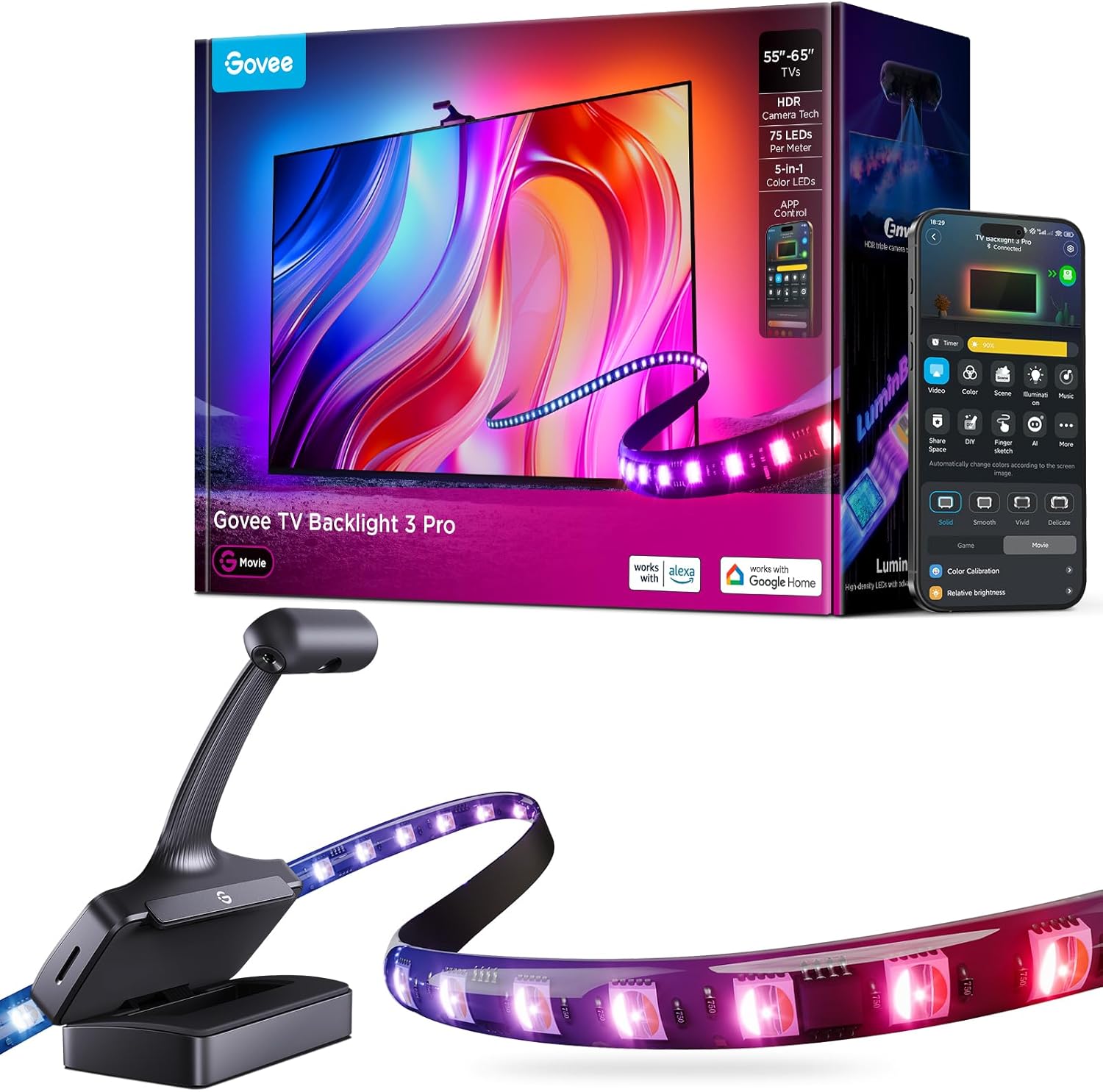
Govee delivers premium smart lighting features at budget prices. RGBIC technology enables individual LED segment control for dynamic effects. Music sync mode reacts to audio in real-time for immersive experiences. DreamView camera syncs lights with TV content. No hub required — WiFi and Bluetooth direct connection.
Which Is Best For…
Hue wins on long-term ecosystem consistency, local-control architecture, and deeper advanced integrations. Govee wins on upfront affordability and practical color-lighting value for buyers who do not need premium infrastructure.
In-Depth Analysis
What this comparison now reflects
This page now compares Philips Hue smart bulbs against Govee smart bulbs directly. It is no longer mixing bulb-vs-strip framing, so the recommendations and use-case guidance match the actual products shown.
Ecosystem depth vs cost efficiency
Hue is stronger for buyers building durable automation infrastructure across rooms, scenes, and assistants. Govee is stronger when immediate value and vivid color control matter more than premium ecosystem depth.
Reliability and scaling considerations
In smaller deployments both can perform well. As homes scale to more automations and devices, Hue generally stays more predictable while Govee remains compelling for budget-focused expansions.
How to choose quickly
Choose Hue if reliability at scale and advanced integrations are your priority. Choose Govee if lower upfront spend and practical smart-bulb color features are your priority.
Hub vs No Hub: Zigbee vs WiFi
This is the architectural fork. Philips Hue runs on Zigbee and needs the Hue Bridge - a small hub that plugs into your router. That's an extra upfront cost (around $50), but it creates a dedicated local mesh that's fast, rock-solid, and keeps working even if your internet drops. Govee bulbs connect directly over WiFi and Bluetooth with no hub, so you start cheaper and faster - but every bulb sits on your home WiFi (which can congest as you add dozens), and more features lean on Govee's cloud. Hue trades upfront cost for reliability; Govee trades some reliability for a lower barrier to entry.
Color, Brightness, and Effects
Govee is the effects champion and the value pick on color: vivid RGBIC strips and bulbs, built-in music sync, segmented multi-color effects, and a huge scene library, often at a fraction of Hue's price - a favorite for gamers and party lighting. Hue's color is more refined and consistent bulb-to-bulb, its whites are cleaner and more accurate, and its Entertainment areas with the Hue Sync app or Sync Box handle screen and game syncing very smoothly. Want maximum flashy effects for the money? Govee. Want accurate, consistent, premium-feeling light? Hue.
Smart Home Integration
Hue is the more universally compatible platform: through the Bridge it works fully with Apple HomeKit, Alexa, Google Home, and SmartThings, it has added Matter support, and it enjoys deep third-party app coverage. Govee works well with Alexa and Google Assistant and has added Matter to select newer products - but its Apple HomeKit support is limited to those Matter-enabled models rather than the whole lineup. If your home is built around Apple Home, or you want the widest, most reliable integrations, Hue has the clear edge; for Alexa or Google households, both do the job.
Price at Scale
For one or two bulbs, Govee is dramatically cheaper - no hub to buy and lower per-bulb prices. The math flips as you scale a whole home: Hue's roughly $50 color bulbs plus the one-time Bridge add up, but you get a system that stays reliable across 50-plus lights, holds its value, and rarely needs babysitting. Govee lets you light a room for a fraction of the cost, ideal for renters, dorms, and accent lighting. Decide by scope: a few accent lights or a budget setup, Govee; a whole-home system you'll expand and rely on for years, Hue.
Current Prices & Where to Buy
* Prices may vary. We earn a small commission from Amazon purchases at no extra cost to you. This helps fund our independent reviews.
Frequently Asked Questions
Related Comparisons