

What Are the Blink Outdoor 4 Camera Features?
- Person detection requires a Blink subscription
- No subscription/local storage, so clips aren't saved
- High motion activity draining the 2 AA lithium batteries
Problem Description
You want to understand and get the most out of the Blink Outdoor 4 - a wire-free, weather-resistant battery camera that runs on 2 AA lithium batteries (rated up to two years) and connects through a Sync Module. Key features include improved 1080p video, a wider field of view, person detection (with a subscription), enhanced two-way audio, and optional solar-panel charging. This guide covers the features, how to enable them, and why a given one might not be working.
Why This Happens in Real Homes
The Blink Outdoor 4 is Blink's flagship battery camera: fully wire-free, weather-resistant, and rated for up to two years on two AA lithium batteries, connecting through a Sync Module rather than to your router directly. Compared to earlier models it adds sharper 1080p video, a wider field of view, enhanced two-way audio, and person detection. The one feature that trips people up is person detection - it's a subscription feature, so without a Blink plan you get basic motion only. Likewise, saved clips need either a subscription (cloud) or a Sync Module 2 with a USB drive (local), or the camera is effectively live-view-only.
Battery life is the other thing worth managing, because 'up to two years' assumes modest activity. A camera pointed at a busy street or set to high sensitivity records constantly and drains far faster, so tuning sensitivity and activity zones to capture what matters - and aiming so motion crosses the PIR sensor side-to-side rather than head-on - both improves detection and preserves battery. Use genuine AA lithium cells (not alkaline, which don't last and misreport charge), and if you add the Blink solar panel, position it for several hours of direct sun to actually maintain the charge. Mounting around 7-10 feet angled slightly down gives the wide lens and PIR their best coverage.
Symptoms
- Unsure what the Outdoor 4 can do
- Person detection not working
- Battery draining faster than expected
- Field of view narrower than expected
- Two-way audio weak or delayed
- Camera offline through the Sync Module
- Night vision poor
- Solar charging not maintaining the battery
Recognize these? Here's what usually causes it.
Common Causes
- Person detection requires a Blink subscription
- No subscription/local storage, so clips aren't saved
- High motion activity draining the 2 AA lithium batteries
- Sync Module offline or camera out of range
- Motion sensitivity/zones not tuned
- Solar panel not getting enough direct sun
- Firmware out of date
- Camera aimed so PIR misses crossing motion
Most fixes happen in the first 3 steps.
Security cameras should be installed at least 8 feet high to prevent tampering. Check local laws regarding recording audio and video. Never aim cameras at neighboring private property. Outdoor cameras should be rated IP65 or higher for weather resistance.
Tools & Requirements
These tools will help you complete this fix.

Clean microfiber cloth
MR.SIGA Microfiber Cleaning Cloth,Pack of 12,Size:12...
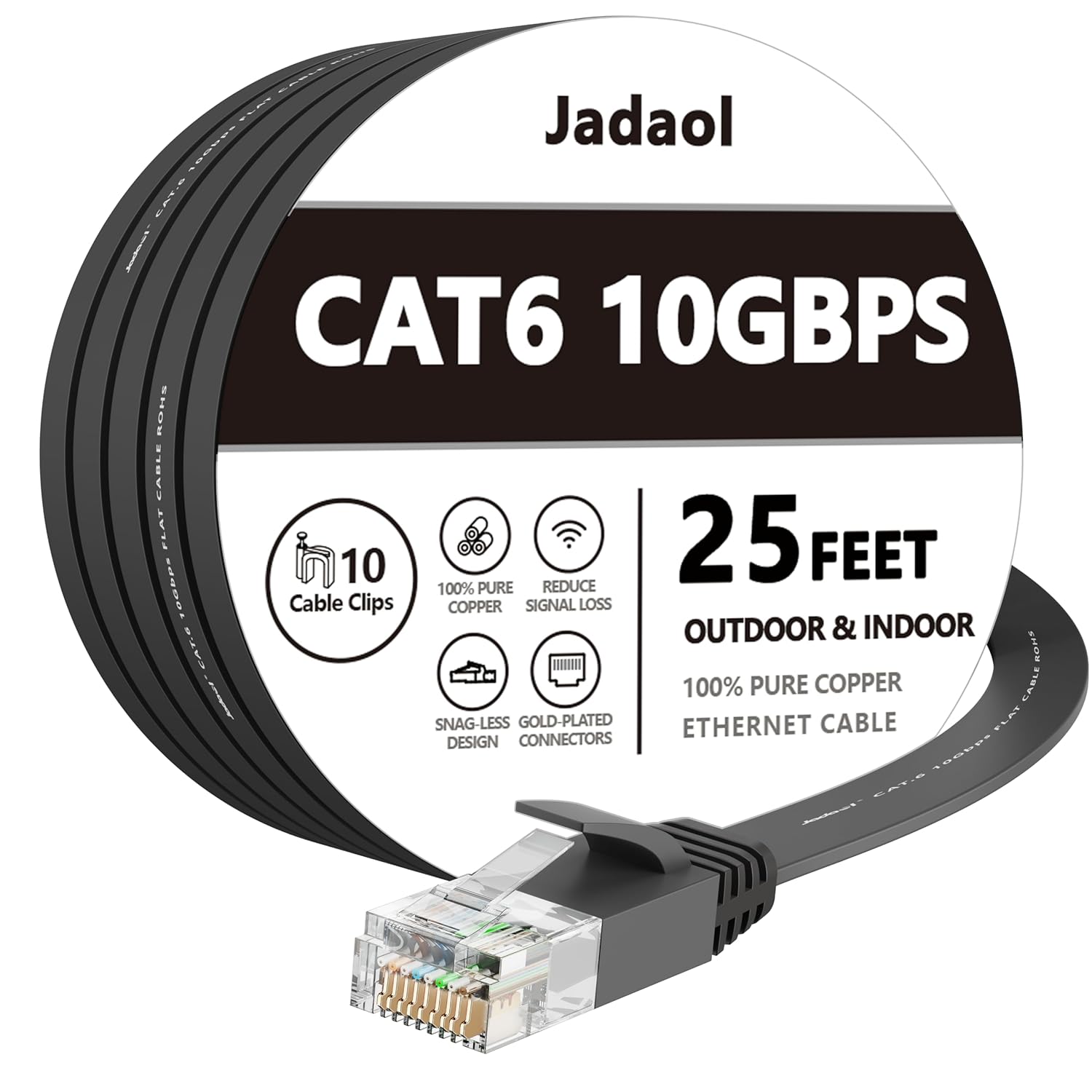
Ethernet cable
Jadaol Cat 6 Ethernet Cable 25 ft, 10Gbps Support Ca...

Level
9 Inch Torpedo Level Magnetic, Shock-Proof Small Lev...

Power adapter
JcBlaon Outlet Extender Surge Protector - 6 Outlet S...

Replacement batteries
Duracell Coppertop Double AA Batteries with Power Bo...
As an Amazon Associate we earn from qualifying purchases.
Step-by-Step Solution
Set up person detection
The Blink Outdoor 4 includes on-device person detection (available with a Blink subscription or Sync Module 2 local storage). In the Blink app, go to the camera settings > Motion Detection > Person Detection. Turn it on. The camera processes video locally to distinguish people from animals, cars, or trees. You can set alerts to only notify you when a person is detected, reducing false alerts from wind-blown branches or passing cars.
Configure two-way audio
The Outdoor 4 has a built-in speaker and microphone for two-way communication. During live view, tap the microphone icon to talk through the camera. Tap again to listen. Audio quality is clearest within 6-8 feet of the camera. In settings, you can adjust the speaker volume. Two-way audio does not work during recorded clips — it only works in live view mode.
Set up activity zones
In the Blink app, go to the camera > Settings > Motion Zones. The screen shows a grid overlay on the camera view. Tap zones to enable or disable them. Disable zones covering streets, sidewalks, or neighbor areas to avoid unwanted alerts. Keep zones active for your driveway, walkway, and entry points. The Outdoor 4 supports a more refined zone grid than older Blink models.
Use the Enhanced Motion Detection setting
The Outdoor 4 features Enhanced Motion Detection — this is a firmware upgrade over older Blink cameras. In Settings > Motion Detection, check for the Enhanced toggle. When enabled, the camera uses both PIR (heat-based) and pixel-change detection together, which reduces false triggers from temperature changes while catching fast-moving objects. This dual-sensor approach works best with the sensitivity slider at 5-7.
Configure local storage with Sync Module 2
The Outdoor 4 can save clips locally to a USB drive in the Sync Module 2, skipping the cloud. Insert a USB flash drive (up to 256GB, formatted as exFAT or FAT32) into the Sync Module 2 USB port. In the Blink app, go to Sync Module > Local Storage. Enable it. Clips save to the USB drive and can be viewed in the app under Local Storage. This option works without a Blink subscription — you keep all clips on the USB drive.
Quick Solutions
Still having issues? This is usually the deeper cause below.
Camera issues that start suddenly almost always trace back to an upload bandwidth drop — run a speed test before assuming hardware failure.
Set up activity zones to monitor only the areas that matter like your front porch and driveway and exclude the street. This dramatically reduces false alerts while ensuring you never miss an actual event at your property.
Live view problems that start suddenly usually trace back to an upload speed drop — the camera itself is fine, the bandwidth path to the cloud isn't.
- Person detection requires a Blink subscription
- No subscription/local storage, so clips aren't saved
- High motion activity draining the 2 AA lithium batteries
- Sync Module offline or camera out of range
- Motion sensitivity/zones not tuned
Before you go — try one of these (they fix most cases).
Most popular upgrades chosen by Blink Outdoor 4 owners.

Blink Outdoor 4 (4th Gen) + Blink Mini – Smart security c...
Blink Outdoor 4 (4th Gen) + Blink Mini – Smart security c...

Blink Outdoor 4 Smart Security Camera Mounts – 3 Pack
As an Amazon Associate we earn from qualifying purchases.
Official Manufacturer Manual
Blink provides official product documentation through their online manual rather than downloadable PDF. Access setup guides, troubleshooting steps, and product specifications for your Blink Outdoor 4.
Source: support.blinkforhome.com
Need More Help? Blink Support
Note: The contact information below connects you directly to Blink's official customer support team, not Trunetto. They can help with warranty claims, device replacements, and advanced technical issues.
How Does Blink Compare?
Before replacing your Blink device, see how it stacks up against alternatives in our full comparison guides.


