

How Do I Use USB Storage on My Blink Sync Module 2?
- Only the Sync Module 2 supports USB local storage
- Drive not formatted as exFAT or FAT32
- Drive larger than the 256GB supported limit
Problem Description
You want to use USB local storage on your Blink Sync Module 2 to save clips locally instead of or in addition to cloud storage. The USB port is on the back of the Sync Module 2. The USB drive must be formatted as exFAT or FAT32 (up to 256GB). This guide covers formatting the drive, inserting it, and enabling local storage in the Blink app.
Why This Happens in Real Homes
Local storage is Blink's answer to avoiding a subscription: the Sync Module 2 (and only the Sync Module 2 - the original Sync Module has no USB port) has a USB port on the back that accepts a flash drive to save motion clips locally for free. The requirements are specific: the drive must be formatted as exFAT or FAT32 and be no larger than 256GB. A drive that's a different format, too big, or a flaky no-name stick is the usual reason the module won't recognize it. Format it correctly, insert it fully into the back port, and then enable local storage in the Blink app - inserting the drive alone doesn't turn the feature on.
It's worth understanding what local storage does and doesn't do. It saves clips to the USB drive as a free alternative (or supplement) to cloud storage, which is valuable now that Blink gates cloud recording behind a subscription. But some smart features like person detection remain subscription-only, so local storage restores your recordings, not every cloud feature. Keep the drive from filling up by managing old clips (or relying on overwrite), reseat it if the module stops writing, and keep the Sync Module firmware current so the storage function stays reliable.
Symptoms
- Want to save clips locally without a subscription
- USB drive not recognized by the Sync Module 2
- Local storage option missing in the app
- Clips not saving to the USB drive
- Drive shows as needing formatting
- Only Sync Module 2 has the USB port
- Drive full and not overwriting
- Playback from local storage fails
Recognize these? Here's what usually causes it.
Common Causes
- Only the Sync Module 2 supports USB local storage
- Drive not formatted as exFAT or FAT32
- Drive larger than the 256GB supported limit
- Local storage not enabled in the Blink app
- USB drive not fully inserted (port on the back)
- Drive full without clip management
- Incompatible/failing USB drive
- Firmware out of date
Most fixes happen in the first 3 steps.
Security cameras should be installed at least 8 feet high to prevent tampering. Check local laws regarding recording audio and video. Never aim cameras at neighboring private property. Outdoor cameras should be rated IP65 or higher for weather resistance.
Tools & Requirements
These tools will help you complete this fix.

Clean microfiber cloth
MR.SIGA Microfiber Cleaning Cloth,Pack of 12,Size:12...
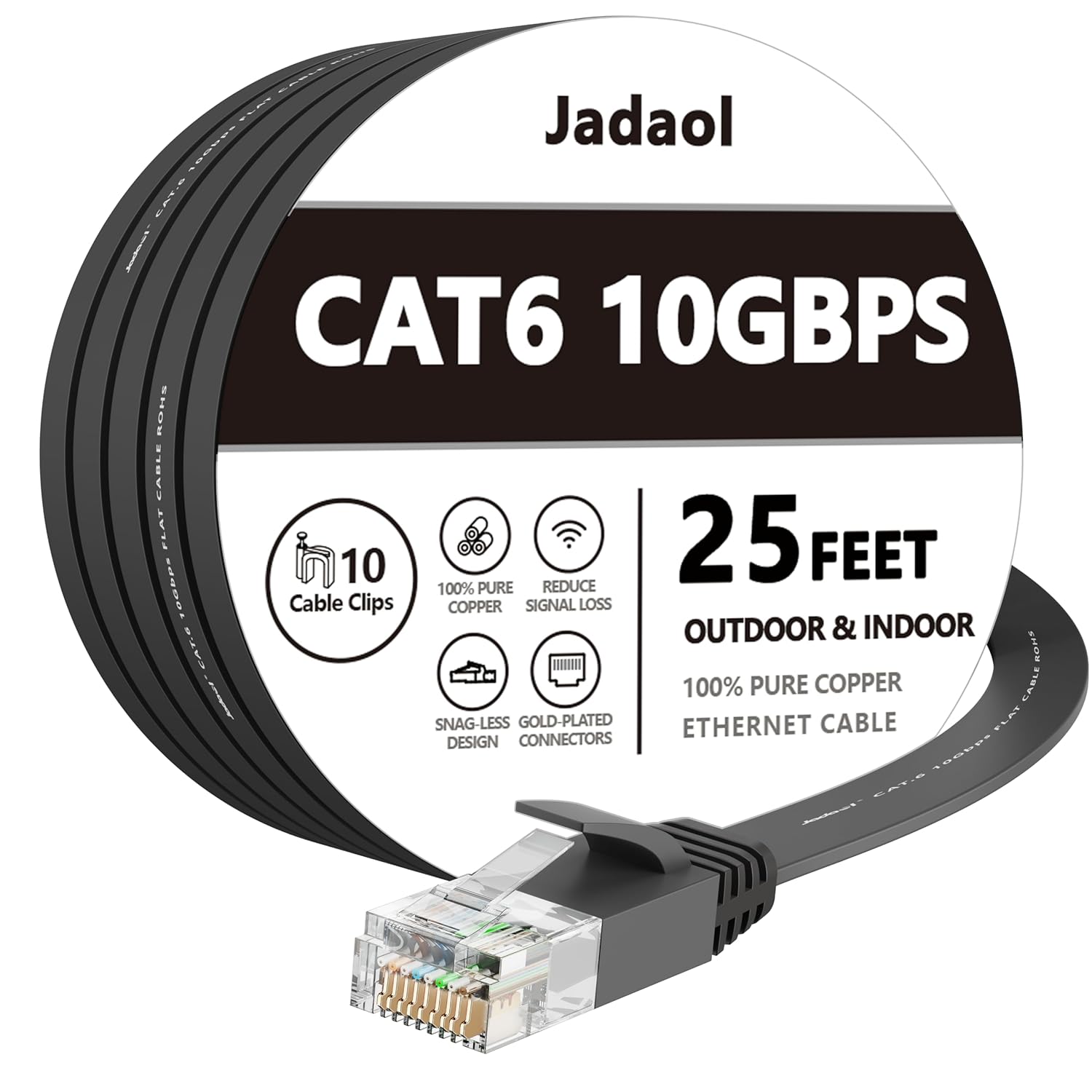
Ethernet cable
Jadaol Cat 6 Ethernet Cable 25 ft, 10Gbps Support Ca...

Level
9 Inch Torpedo Level Magnetic, Shock-Proof Small Lev...

Power adapter
JcBlaon Outlet Extender Surge Protector - 6 Outlet S...

Replacement batteries
Duracell Coppertop Double AA Batteries with Power Bo...
As an Amazon Associate we earn from qualifying purchases.
Step-by-Step Solution
Format the USB drive correctly
The Blink Sync Module 2 requires a USB flash drive formatted as exFAT or FAT32. Drives formatted as NTFS or HFS+ do not work. To format on Windows: right-click the USB drive in File Explorer > Format > choose exFAT > Start. On Mac: open Disk Utility > select the drive > Erase > choose ExFAT. Use a drive between 1GB and 256GB. Drives larger than 256GB are not supported. After formatting, insert the drive into the USB-A port on the back of the Sync Module 2.
Enable local storage in the Blink app
After inserting the formatted USB drive, open the Blink app. Go to Sync Module > Local Storage. The app should detect the USB drive and show its capacity. Enable Local Storage. You can choose to save clips locally only (no cloud) or save to both local and cloud. Local-only storage works without a Blink subscription, making it a free alternative to cloud storage.
Fix USB drive not detected
If the Sync Module does not detect the USB drive: remove and reinsert the drive firmly. Try a different USB flash drive — some brands have compatibility issues with the Sync Module. The Sync Module only supports USB-A flash drives (not external hard drives or USB hubs). If the drive was previously used with a different device, reformat it as exFAT. Power cycle the Sync Module after inserting the drive (unplug for 10 seconds, replug).
Needed for this step
JcBlaon Outlet Extender Surge Protector - 6 Out...
This helps complete the fix you are currently reading.
$9.99Access stored clips from the USB drive
View locally stored clips in the Blink app under Local Storage. You can play clips directly from the app as long as your phone is on the same WiFi network as the Sync Module. To access clips on a computer: remove the USB drive from the Sync Module and plug it into your computer. Clips are saved as .mp4 files in folders organized by camera name and date. You can copy, back up, or share these files freely.
Manage storage space
The Sync Module does not automatically delete old clips when the USB drive fills up — it stops recording. Check available space periodically in the Blink app under Local Storage. To free space: delete clips you no longer need from the app, or remove the USB drive and delete files from a computer. For continuous recording, swap the USB drive monthly and archive old clips. A 64GB drive holds roughly 8,000-10,000 thirty-second clips at 1080p.
Quick Solutions
Still having issues? This is usually the deeper cause below.
If pairing fails after multiple attempts, the device may still be registered to a previous account — factory-reset it before trying to add it to a new one.
Set up activity zones to monitor only the areas that matter like your front porch and driveway and exclude the street. This dramatically reduces false alerts while ensuring you never miss an actual event at your property.
Pairing failures almost always come down to distance during the initial handshake — manufacturers seriously understate how close you actually need to be.
- Only the Sync Module 2 supports USB local storage
- Drive not formatted as exFAT or FAT32
- Drive larger than the 256GB supported limit
- Local storage not enabled in the Blink app
- USB drive not fully inserted (port on the back)
Before you go — try one of these (they fix most cases).
Most popular upgrades chosen by Blink Sync Module 2 owners.

Blink Outdoor 4 (4th Gen) + Blink Mini – Smart security c...
Blink Outdoor 4 (4th Gen) + Blink Mini – Smart security c...

Blink Outdoor 4 Smart Security Camera Mounts – 3 Pack
As an Amazon Associate we earn from qualifying purchases.
Official Manufacturer Manual
Blink provides official product documentation through their online manual rather than downloadable PDF. Access setup guides, troubleshooting steps, and product specifications for your Blink Sync Module 2.
Source: support.blinkforhome.com
Need More Help? Blink Support
Note: The contact information below connects you directly to Blink's official customer support team, not Trunetto. They can help with warranty claims, device replacements, and advanced technical issues.
How Does Blink Compare?
Before replacing your Blink device, see how it stacks up against alternatives in our full comparison guides.


