Why Won't My Hubitat Automations Run Reliably?
- Trigger event not actually firing (device not reporting)
- Rule condition or restriction blocking it
- Hub overloaded and slow to process events
Problem Description
Automations, rules, or scheduled events on your Hubitat Elevation do not run when they should, or fire inconsistently. The rule looks correct and may run when triggered manually, but the scheduled or event-driven trigger does not fire. On Hubitat this is usually a trigger or condition problem in Rule Machine, a device that is not reporting its state, or the hub bogging down.
Why This Happens in Real Homes
A Hubitat automation that will not fire is usually a trigger or condition problem, not a broken hub, since a rule that works manually proves the actions are fine. In real homes the trigger device is not reporting its state change, so the rule never sees the event.
Confirm the trigger device reports, check the rule's conditions, and reboot a bogged-down hub before rewriting the rule.
Symptoms
- A rule never fires on its schedule
- Automation works manually but not automatically
- Rule fires late or inconsistently
- Motion or contact rules do not trigger
- Time-based rules miss their window
- Rules stopped after a hub update
- Some rules run, others do not
- Actions run but the wrong devices respond
Recognize these? Here's what usually causes it.
Common Causes
- Trigger event not actually firing (device not reporting)
- Rule condition or restriction blocking it
- Hub overloaded and slow to process events
- Wrong trigger type (event vs schedule)
- Device state stale so the trigger never sees the change
- Rule disabled or paused
- Hub clock or timezone off for time rules
- A conflicting or looping rule
Most fixes happen in the first 3 steps.
Rule Machine is powerful but complex. Start with Simple Automation Rules.
Tools & Requirements
These tools will help you complete this fix.
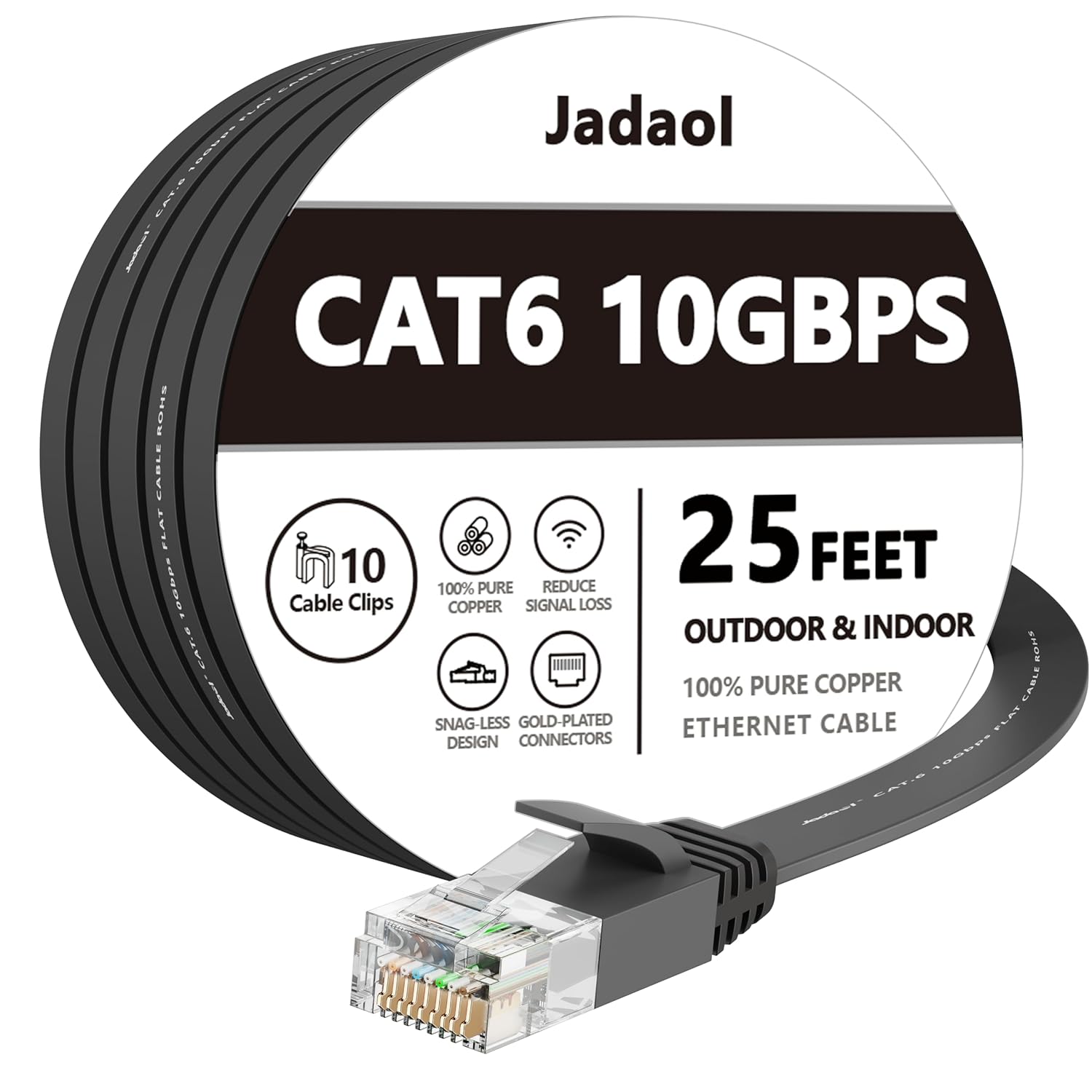
As an Amazon Associate we earn from qualifying purchases.
Step-by-Step Solution
Check the app or rule status
In the Hubitat web interface, go to Apps and find the automation app (Rule Machine, Simple Automation, Motion Lighting, etc.). Tap it and check if the rule is Enabled or Paused. If it is paused, re-enable it. Also check the trigger conditions — if the trigger device is offline or not reporting events, the rule never fires. Check the trigger device in Devices and verify it shows recent activity.
Check the Hubitat logs for errors
Go to Logs on the Hubitat web interface. Enable logging for the automation app if it is not already on (in the app settings, toggle on Enable Logging). Trigger the automation condition manually (open a door, trigger motion, etc.) and watch the logs in real time. If the rule evaluates but does not execute the action, the log will show why — typically a condition that evaluates to false.
Check for mode restrictions
Many Hubitat automations have a mode restriction — they only run when the hub is in a specific mode (Day, Night, Away, Home). Check the current mode at the top of the Hubitat web interface. If the automation is restricted to Night mode but the hub is in Day mode, the automation is blocked. Remove the mode restriction temporarily to test if the automation works, then adjust the mode settings.
Check for conflicting automations
If multiple apps control the same device, they can conflict. Example: a Motion Lighting app turns a light on when motion is detected, but a Rule Machine rule turns the same light off at sunset. If both trigger near the same time, the result is unpredictable. Go to the device page for the affected device and check In Use By — this shows all apps that control the device. Review each one for conflicting actions.
Reboot the hub if automations worked before
If automations that previously worked stop running, the Hubitat hub may need a reboot. The hub runs on embedded Linux and can accumulate memory issues over time, especially with many apps running. Go to Settings > Reboot Hub (or unplug the hub for 15 seconds). After rebooting, test the automation. If automations fail again after a few days, check for a problematic app or device driver that is consuming excessive resources — the hub Logs page shows memory and CPU warnings.
Quick Solutions
Still having issues? This is usually the deeper cause below.
If the hub reconnects then drops every few minutes, check for an IP conflict — two devices sharing the same DHCP address fight each other continuously.
Place your hub in a central location in your home, elevated off the floor and away from your WiFi router by at least 3 feet. This provides the best Zigbee and Z-Wave signal coverage to all corners of your house.
Hub disconnections that cycle repeatedly are almost always IP conflicts — two devices fighting over the same DHCP lease after a router restart.
- Trigger event not actually firing (device not reporting)
- Rule condition or restriction blocking it
- Hub overloaded and slow to process events
- Wrong trigger type (event vs schedule)
- Device state stale so the trigger never sees the
Before you go — try one of these (they fix most cases).
Most popular upgrades chosen by Hubitat Elevation owners.

As an Amazon Associate we earn from qualifying purchases.
Official Manufacturer Manual
Hubitat provides official product documentation through their online manual rather than downloadable PDF. Access setup guides, troubleshooting steps, and product specifications for your Hubitat Elevation.
Source: hubitat.com
Need More Help? Hubitat Support
Note: The contact information below connects you directly to Hubitat's official customer support team, not Trunetto. They can help with warranty claims, device replacements, and advanced technical issues.