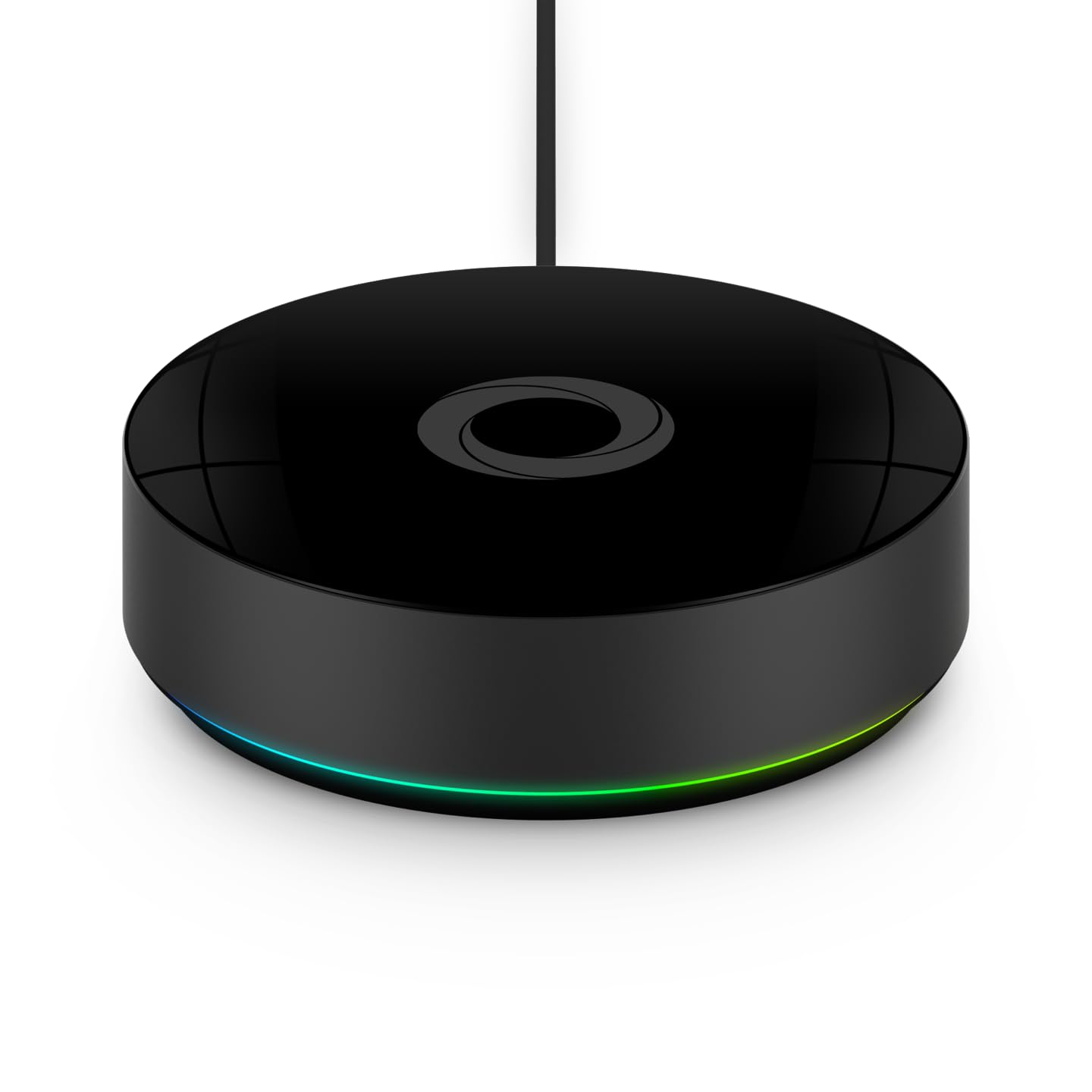
Why Won't My Hubitat Device Respond?
- Weak Zigbee or Z-Wave mesh route to the device
- Device dropped its pairing or became a failed node
- Wrong or generic driver assigned to the device
Problem Description
A device paired to your Hubitat Elevation (a Z-Wave or Zigbee switch, sensor, or bulb) stops responding to commands from the dashboard, app, or automations. The hub is online and other devices may work, but this one ignores on/off or shows a stale state. Because Hubitat processes everything locally, this is almost always a mesh routing problem, a device that dropped its pairing, or a driver mismatch.
Why This Happens in Real Homes
Because Hubitat runs everything locally, a single unresponsive device is almost always a mesh or pairing problem, not a cloud outage. In real homes a device far from the hub with no repeater in between, or a ghost node left from a bad pairing, is the usual cause.
Reboot the hub, run a Z-Wave repair or Zigbee heal, confirm the right driver, and add a repeater before assuming the device died.
Symptoms
- Device ignores on/off from the dashboard
- Device shows a stale or wrong state
- Works locally at the switch but not from the hub
- Automations using the device stop firing
- Device shows offline in the device list
- Commands are slow or intermittent
- Device dropped after a firmware or hub update
- Only this device is affected while others work
Recognize these? Here's what usually causes it.
Common Causes
- Weak Zigbee or Z-Wave mesh route to the device
- Device dropped its pairing or became a failed node
- Wrong or generic driver assigned to the device
- Ghost node confusing Z-Wave routing
- Too few powered repeaters between device and hub
- 2.4GHz interference on the Zigbee band
- Low battery on a battery-powered device
- Hub radio stuck and needing a reboot
Most fixes happen in the first 3 steps.
Do not factory reset your hub unless absolutely necessary as this removes all paired devices, automations, and settings. You will need to re-pair every single device from scratch which can take hours for a large setup. Always try a simple restart first.
Tools & Requirements
These tools will help you complete this fix.
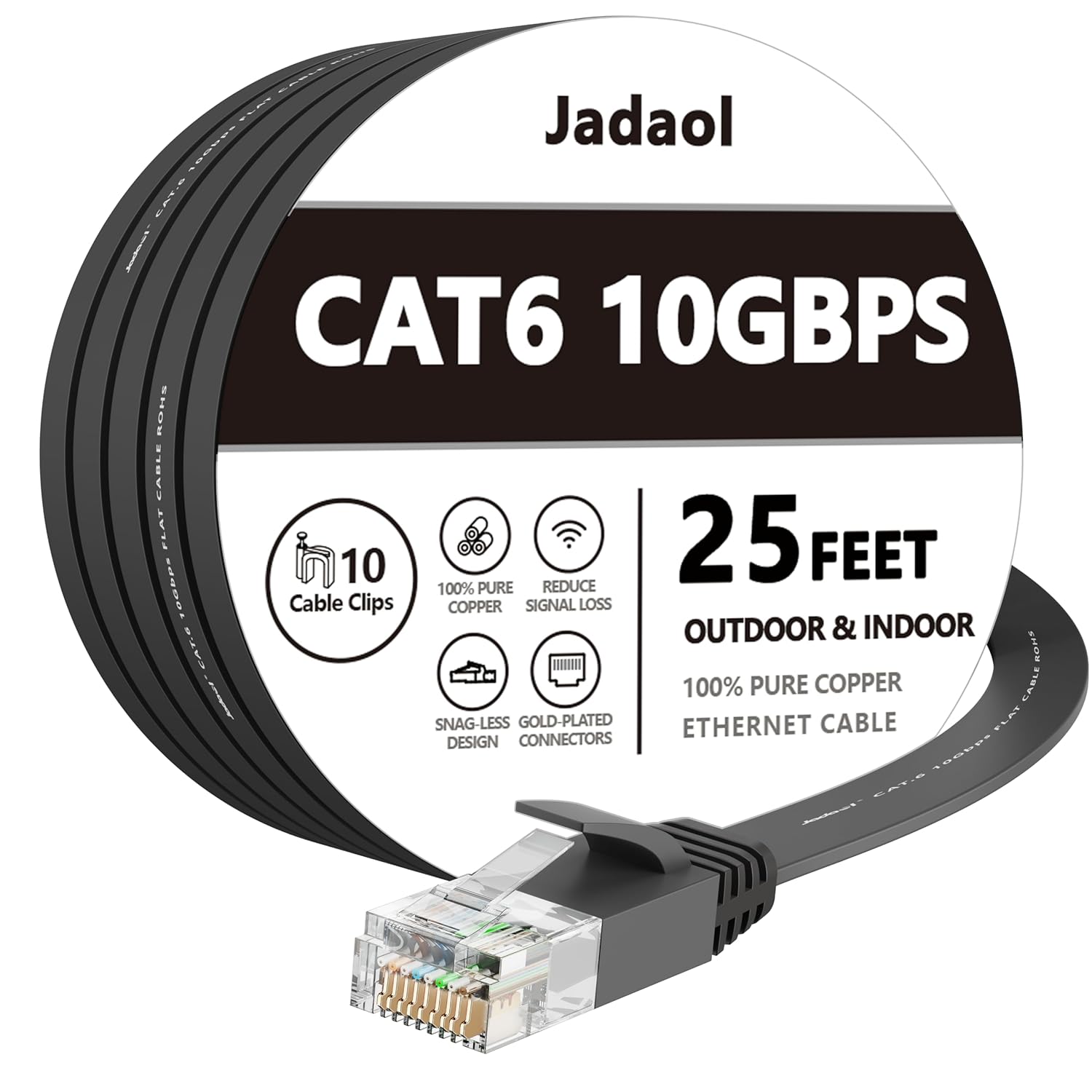
As an Amazon Associate we earn from qualifying purchases.
Step-by-Step Solution
Check the device protocol — Zigbee, Z-Wave, or WiFi
In the Hubitat web interface, go to Devices and find the unresponsive device. The device page shows its type and protocol. If it is Zigbee, check the Zigbee mesh. If it is Z-Wave, check the Z-Wave mesh. If it is WiFi or cloud-based, check your internet connection and the device cloud service status. The fix depends entirely on the protocol.
Check device status and last activity
On the device page, look at the Last Activity timestamp. If it was hours or days ago, the device stopped communicating. For battery devices (sensors, buttons), check the battery level — low battery causes devices to go silent. For mains-powered devices (switches, plugs), check if the device still has power. Try pressing a physical button on the device and watching the Hubitat Logs page for incoming events.
Send a command and check logs
On the device page, use the command buttons to send a command (On, Off, Refresh, etc.). Watch the Logs page for a response. If you see the command being sent but no response, the device is not receiving the message — range or mesh issue. If you see errors in the logs (timeout, not found), the device may need to be re-paired. If the command sends and the device responds in the logs but nothing happens physically, the device hardware may be faulty.
Fix Zigbee devices by power cycling nearby repeaters
If a Zigbee device stops responding, it may have lost its mesh route. Power cycle all Zigbee repeaters (smart plugs, light switches) near the device — unplug for 10 seconds and plug back in. This forces the Zigbee mesh to rebuild routes. Wait 10-15 minutes for the mesh to stabilize. The unresponsive device should find a new route and reconnect.
Remove and re-pair if nothing else works
If the device remains unresponsive after power cycling, delete it from Hubitat (Devices page > Remove) and re-pair it. For Zigbee: factory reset the device and use Devices > Add Device > Zigbee. For Z-Wave: run Z-Wave Exclusion first (Settings > Z-Wave Details > Exclusion), trigger the device, then run Z-Wave Inclusion. After re-pairing, update any automations that referenced the old device entry — they need to point to the new device.
Quick Solutions
Still having issues? This is usually the deeper cause below.
If the hub reconnects then drops every few minutes, check for an IP conflict — two devices sharing the same DHCP address fight each other continuously.
Place your hub in a central location in your home, elevated off the floor and away from your WiFi router by at least 3 feet. This provides the best Zigbee and Z-Wave signal coverage to all corners of your house.
Hub disconnections that cycle repeatedly are almost always IP conflicts — two devices fighting over the same DHCP lease after a router restart.
- Weak Zigbee or Z-Wave mesh route to the device
- Device dropped its pairing or became a failed node
- Wrong or generic driver assigned to the device
- Ghost node confusing Z-Wave routing
- Too few powered repeaters between device and hub
Before you go — try one of these (they fix most cases).
Most popular upgrades chosen by Hubitat Elevation owners.

As an Amazon Associate we earn from qualifying purchases.
Official Manufacturer Manual
Hubitat provides official product documentation through their online manual rather than downloadable PDF. Access setup guides, troubleshooting steps, and product specifications for your Hubitat Elevation.
Source: hubitat.com
Need More Help? Hubitat Support
Note: The contact information below connects you directly to Hubitat's official customer support team, not Trunetto. They can help with warranty claims, device replacements, and advanced technical issues.