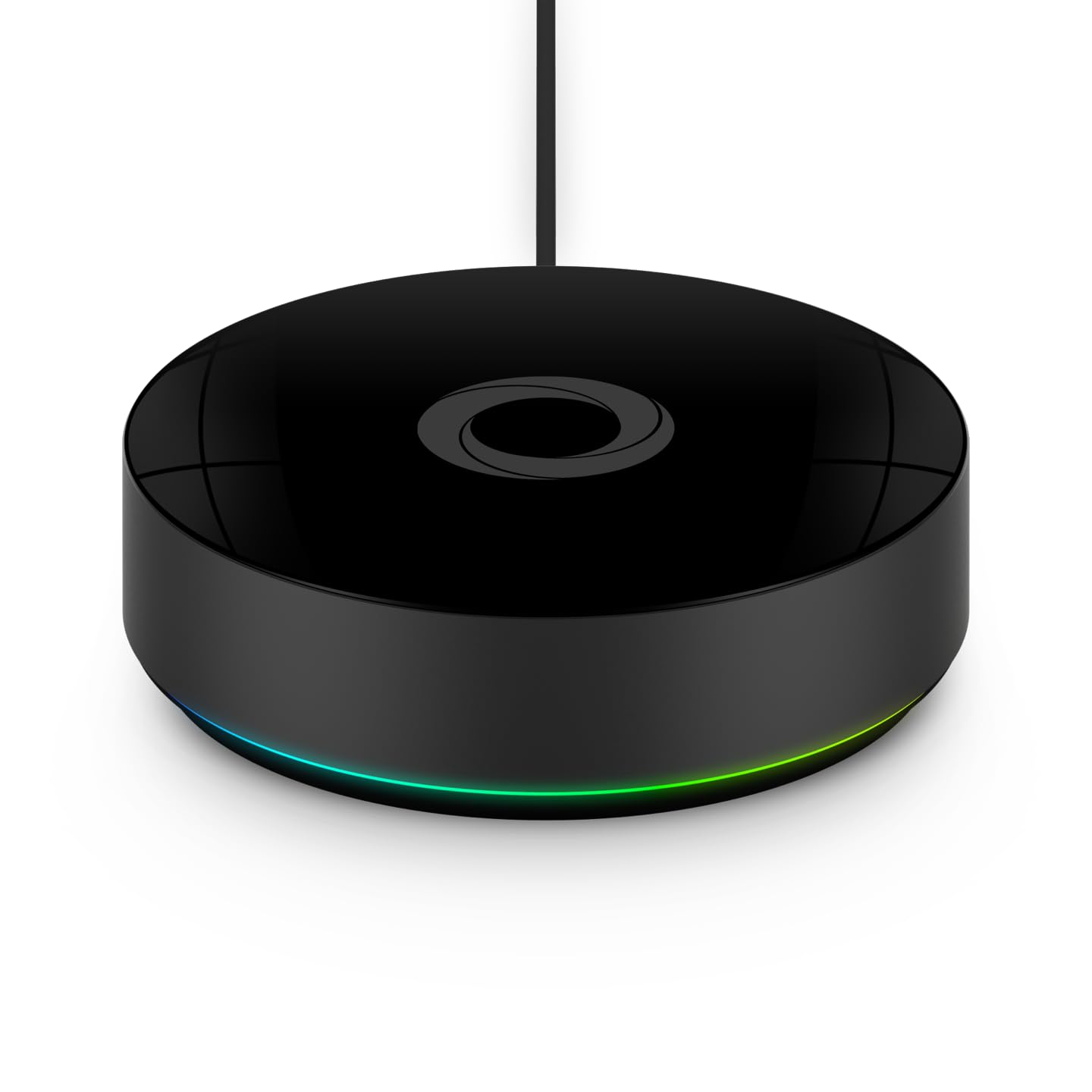
What Does Philips Hue API Error 503 Bridge Service Unavailable Mean and How Do I Fix It?
- Bridge service restart in progress
- Polling pressure too high
- LAN instability during firmware finalization
Problem Description
Hue service unavailable responses can appear when bridge services are restarting, overloaded, or temporarily unreachable during firmware and network churn.
Why This Happens in Real Homes
Error 503 means the bridge itself is temporarily unable to service the request — usually because it's restarting after a firmware update, or you're hammering it with too many rapid requests. The bridge has limited processing and a rate ceiling.
Start by backing off your polling and command rate (batch where you can, and stay under roughly 10 commands per second), and add retry-with-backoff. If it coincides with a firmware update, wait for the bridge to finish restarting; persistent 503s usually mean you're overloading the bridge's LAN service.
Symptoms
- Requests fail with service unavailable
- Bridge pings but API fails
- Issue appears after firmware change
- Automations pause then recover
- High polling windows trigger failures
- Mobile app can be intermittent
Recognize these? Here's what usually causes it.
Common Causes
- Bridge service restart in progress
- Polling pressure too high
- LAN instability during firmware finalization
- Resource exhaustion under burst traffic
- Router multicast churn
- Controller retries too aggressive
Most fixes happen in the first 3 steps.
Do not hammer retries without delay, because repeated fast retries can extend bridge instability windows.
Tools & Requirements
Step-by-Step Solution
Confirm temporary outage behavior
Check if service unavailable responses are short bursts or continuous. Temporary bursts after updates are common and often clear with controlled retry backoff.
Apply retry backoff and reduce polling
Lower integration poll frequency and add exponential retry windows. Aggressive polling can keep the bridge in a stressed state and prolong availability errors.
Reboot infrastructure in order
Restart router first, then bridge, then controllers. This sequence helps rebuild network service discovery and clears stale route states impacting API availability.
Stage automation reactivation
Bring back high-frequency routines in phases rather than all at once. This prevents immediate overload after recovery and helps identify which routine causes pressure spikes.
Validate sustained bridge health
Monitor for at least one hour after recovery. If service unavailable persists under light load, collect logs for firmware and network support analysis.
Quick Solutions
Still having issues? This is usually the deeper cause below.
If the hub reconnects then drops every few minutes, check for an IP conflict — two devices sharing the same DHCP address fight each other continuously.
Service unavailable errors usually improve with controlled backoff and reduced polling pressure.
Hub disconnections that cycle repeatedly are almost always IP conflicts — two devices fighting over the same DHCP lease after a router restart.
- Bridge service restart in progress
- Polling pressure too high
- LAN instability during firmware finalization
- Resource exhaustion under burst traffic
- Router multicast churn
Before you go — try one of these (they fix most cases).
Most popular upgrades chosen by Philips Hue Bridge Service Availability owners.

Philips Hue (1) Black Tap Dial Switch with (1) Smart Slim...

Philips Hue (1) White Tap Dial Switch with (1) Smart Slim...

Philips Hue White & Color Ambiance Play Light Bar 2 Pack,...
As an Amazon Associate we earn from qualifying purchases.
Official Manufacturer Manual
If you need the complete manufacturer documentation for advanced setup, wiring diagrams, or detailed specifications, you can download the official manual below. The manual includes full technical instructions directly from the manufacturer and may help if your issue requires deeper troubleshooting.
Download the Official Philips Hue Bridge Service Availability ManualSource: philips-hue.com
Need More Help? Philips Hue Support
Note: The contact information below connects you directly to Philips Hue's official customer support team, not Trunetto. They can help with warranty claims, device replacements, and advanced technical issues.
How Does Philips Hue Compare?
Before replacing your Philips Hue device, see how it stacks up against alternatives in our full comparison guides.