

How Do I Use the Fibaro Swipe Gesture Controller?
- WiFi connection unstable or device too far from router
- Device firmware or app needs updating
- Device not properly set up during initial pairing
Problem Description
You want to set up the Fibaro Swipe gesture controller for touchless control of your smart home. The Swipe mounts on a wall and detects hand gestures (swipe up, down, left, right, and circular motions). Include it in your Z-Wave network first by pressing the inclusion button on the back. Each gesture can be mapped to different smart home actions.
Symptoms
- Device shows as offline in the app
- Device does not respond to commands
- App cannot connect to device
- Features not working as expected
- Device disconnects frequently
- Automations fail to trigger
- Voice commands not recognized
Recognize these? Here's what usually causes it.
Common Causes
- WiFi connection unstable or device too far from router
- Device firmware or app needs updating
- Device not properly set up during initial pairing
- Power supply issue or loose connection
- Account not linked correctly
- Too many devices causing network congestion
- Interference from other wireless devices
Most fixes happen in the first 3 steps.
Do not rely solely on smart sensors for life-safety alerts like smoke or carbon monoxide detection. Always maintain dedicated code-compliant smoke and CO detectors. Smart water leak sensors can alert you but cannot stop a leak so know where your water shut-off valve is located.
Tools & Requirements
These tools will help you complete this fix.

As an Amazon Associate we earn from qualifying purchases.
Step-by-Step Solution
Include the Swipe in your Z-Wave network
The Fibaro Swipe (FGGC-001) is a gesture-controlled Z-Wave device. It detects hand gestures (up, down, left, right, clockwise circle, counterclockwise circle) and sends commands to your Z-Wave hub. To include it: put your hub in inclusion mode, then press the B-button on the back of the Swipe. The device pairs with the hub. After inclusion, configure which actions each gesture triggers.
Mount the Swipe on a wall
The Swipe mounts flat on a wall using included screws or adhesive. Position it at comfortable hand height (approximately 4 feet) where you naturally pass by — a hallway, living room entrance, or bedroom wall. The gesture detection zone extends approximately 8 inches from the surface. Your hand passes over the Swipe without touching it — it uses infrared proximity sensors to detect gestures.
Configure gesture-to-action mappings
In your Z-Wave hub, map each gesture to a smart home action. Example mappings: swipe up = turn on living room lights, swipe down = turn off lights, clockwise circle = increase brightness, counterclockwise = decrease brightness, swipe left = arm the security system, swipe right = disarm. On Fibaro Home Center: go to the Swipe device > Associations or use scenes triggered by gesture events. On other hubs, use the gesture events as automation triggers.
Adjust gesture sensitivity
If the Swipe triggers from unintended hand movement or does not detect deliberate gestures: adjust sensitivity via Z-Wave parameters. Parameter 12 sets gesture sensitivity (1-20, default 15). Increase the value for more sensitive detection (triggers on subtle hand movements). Decrease for less sensitive detection (requires more deliberate gestures). Test after each adjustment by performing each of the six gestures.
Fix gestures not being detected
If the Swipe does not respond to gestures: check the battery level (it uses a built-in rechargeable battery charged via USB-C). Connect the USB cable and charge for 2-3 hours. Check that the Swipe is still included in the Z-Wave network (it should appear as a device in your hub). If the device shows as 'dead' or 'unresponsive' in the hub: exclude it and re-include it. Also check that no objects are blocking the infrared sensors on the front face.
Quick Solutions
Still having issues? This is usually the deeper cause below.
If this comes back after following these steps, check whether a recent app or firmware update reset a default setting — the fix works, but the setting gets reverted silently.
Pair motion sensors with smart lights to create automatic lighting that turns on when you enter a room and off after a few minutes of no motion. This is one of the simplest and most useful smart home automations you can set up.
This issue almost always looks more complex than it is — the majority of cases trace back to a single setting, a stale credential, or a default that shipped wrong.
- WiFi connection unstable or device too far from router
- Device firmware or app needs updating
- Device not properly set up during initial pairing
- Power supply issue or loose connection
- Account not linked correctly
Before you go — try one of these (they fix most cases).
Official Manufacturer Manual
Fibaro provides official product documentation through their online manual rather than downloadable PDF. Access setup guides, troubleshooting steps, and product specifications for your Fibaro Swipe.
Source: manuals.fibaro.com
Need More Help? Fibaro Support
Note: The contact information below connects you directly to Fibaro's official customer support team, not Trunetto. They can help with warranty claims, device replacements, and advanced technical issues.
Accessories owners commonly pair with Fibaro Swipe.

Blink Mini - Compact indoor plug-in smart security camera...
Blink Mini - Compact indoor plug-in smart security camera...
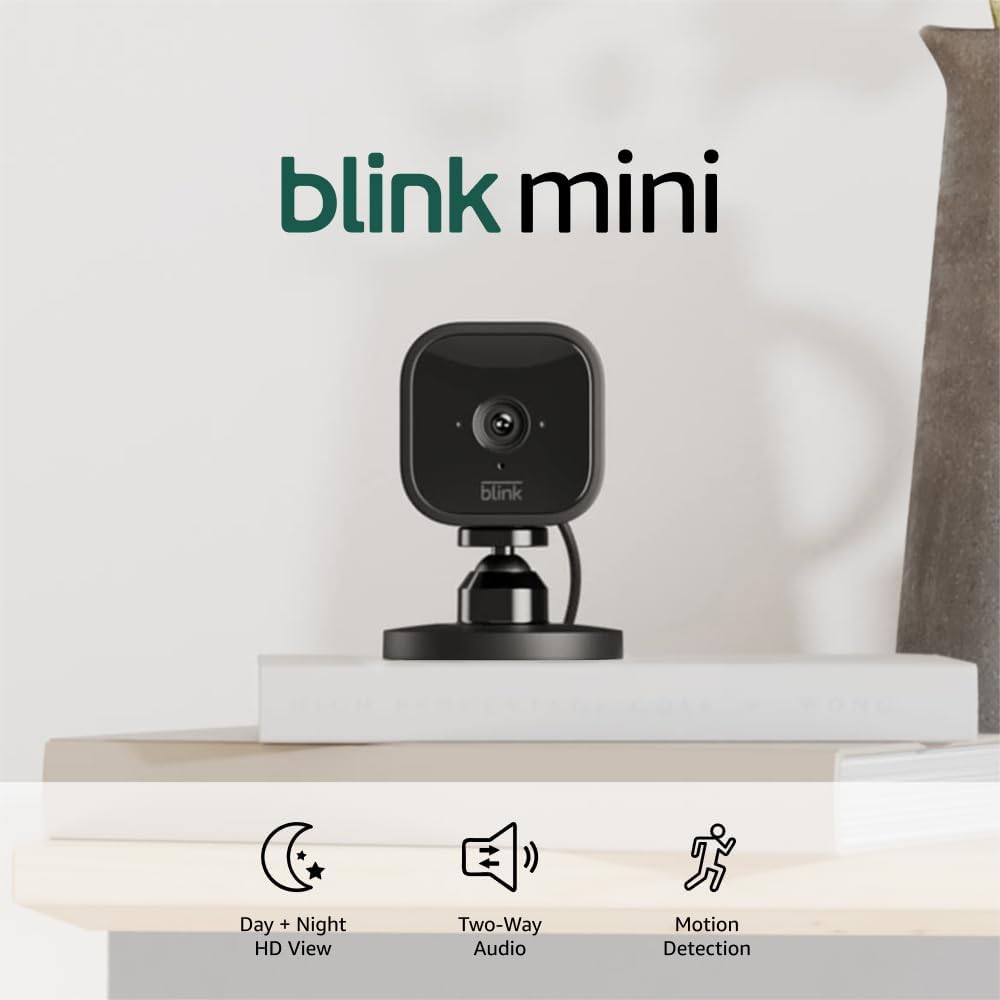
Blink Mini - Compact indoor plug-in smart security camera...
As an Amazon Associate we earn from qualifying purchases.


