

First Alert Onelink Not Connecting to WiFi or App — Setup Fix
- Router on 5GHz only - Onelink needs 2.4GHz
- WiFi password has characters the detector can't process
- Detector too far from the router (ceiling-mounted)
Problem Description
Your First Alert Onelink smart smoke or CO detector fails to complete WiFi setup, drops off the network after a few days, or loses communication with the Onelink Home app. The Onelink connects to 2.4GHz WiFi only — setup failures are almost always caused by a combined-band router handing the device to 5GHz, or the phone leaving the WiFi network mid-setup.
Why This Happens in Real Homes
The First Alert Onelink connects to 2.4GHz WiFi only, and nearly every setup failure comes back to that. If your router broadcasts a combined 2.4/5GHz network under one name, it often hands the detector to the 5GHz band it can't use, so setup stalls at the WiFi step even though Bluetooth pairing succeeded. Splitting off a dedicated 2.4GHz SSID (or temporarily disabling 5GHz) for setup, and keeping your phone's Bluetooth on for the initial pairing handshake, resolves the majority of failures. WiFi passwords with unusual special characters can also trip up the detector, so a simpler password helps during setup.
Because these are ceiling-mounted, signal strength is the other big factor - a detector far from the router on a high ceiling can pair but then drop offline after days, which is really a weak-signal problem, not a setup one. Improving 2.4GHz coverage near the detector with a mesh node or extender, and reserving a DHCP IP so it keeps a stable address, keeps it reliably online - which matters because an offline detector can't send you alerts when it triggers. If you're using HomeKit, that setup additionally requires an Apple home hub (HomePod or Apple TV) on the network. When setup won't complete, reset the detector and re-pair it in the Onelink app on a strong 2.4GHz signal. Note the detector still functions as a standard smoke/CO alarm locally even if WiFi is down - WiFi only adds the app alerts and remote features.
Symptoms
- Setup wizard fails at the WiFi step
- Detector pairs via Bluetooth but won't join WiFi
- Detector shows offline after working for days/weeks
- No alerts on the phone when the detector triggers
- Amber LED during setup (connection failure)
- HomeKit setup can't find the device
- Drops off the network intermittently
- Won't complete provisioning
Recognize these? Here's what usually causes it.
Common Causes
- Router on 5GHz only - Onelink needs 2.4GHz
- WiFi password has characters the detector can't process
- Detector too far from the router (ceiling-mounted)
- Router firewall blocking the Onelink cloud
- Phone Bluetooth off during initial pairing
- Band-steered SSID handing it to 5GHz
- No Apple home hub for HomeKit setup
- Weak 2.4GHz signal at the mount location
Most fixes happen in the first 3 steps.
{"The detector still functions as a standard smoke and CO detector even when WiFi is disconnected — only smart alerts and app features stop working","Do not leave the detector with batteries removed for extended periods as this leaves that area unprotected"}
Tools & Requirements
These tools will help you complete this fix.

As an Amazon Associate we earn from qualifying purchases.
Step-by-Step Solution
Verify detector is in onboarding mode and powered
Confirm the Onelink unit is powered and broadcasting setup state before app pairing, because onboarding fails if the detector remains in normal operation mode.
Use supported 2.4GHz network without isolation
Connect setup phone to compatible WiFi settings and disable isolation features, since restrictive router policies frequently block detector onboarding.
Reset network credentials and re-attempt add flow
Clear prior WiFi state on detector and restart setup from scratch, because stale credentials from old routers commonly cause repeat failures.
Update app and detector firmware where available
Apply latest software revisions after successful connection, because connectivity bugs are often resolved in newer firmware/app versions.
Validate alert and status sync in app timeline
Trigger a safe test event and confirm app reflects state quickly, so the WiFi/app path is confirmed beyond initial pairing success.
Quick Solutions
Still having issues? This is usually the deeper cause below.
This usually happens right after a router reboot or ISP change — the device rejoins the network but drops its cloud session silently.
{"Smoke detectors on ceilings are far from routers — check WiFi signal strength at the mounting location before installation","The Onelink app requires Bluetooth during initial setup but uses WiFi for ongoing communication","After any router change or password update, all Onelink detectors need to be reconfigured for WiFi","Place a WiFi extender or mesh node near the hallway where most detectors are mounted"}
Most WiFi drop-offs happen right after a router reboot or ISP swap — the device reconnects to the network but silently loses its cloud registration.
- Router on 5GHz only - Onelink needs 2.4GHz
- WiFi password has characters the detector can't process
- Detector too far from the router (ceiling-mounted)
- Router firewall blocking the Onelink cloud
- Phone Bluetooth off during initial pairing
Before you go — try one of these (they fix most cases).
Official Manufacturer Manual
First Alert provides official product documentation through their online manual rather than downloadable PDF. Access setup guides, troubleshooting steps, and product specifications for your First Alert Onelink Smart Smoke & CO Detector.
Source: support.firstalert.com
Need More Help? First Alert Support
Note: The contact information below connects you directly to First Alert's official customer support team, not Trunetto. They can help with warranty claims, device replacements, and advanced technical issues.
Accessories owners commonly pair with First Alert Onelink Smart Smoke & CO Detector.

Blink Mini - Compact indoor plug-in smart security camera...
Blink Mini - Compact indoor plug-in smart security camera...
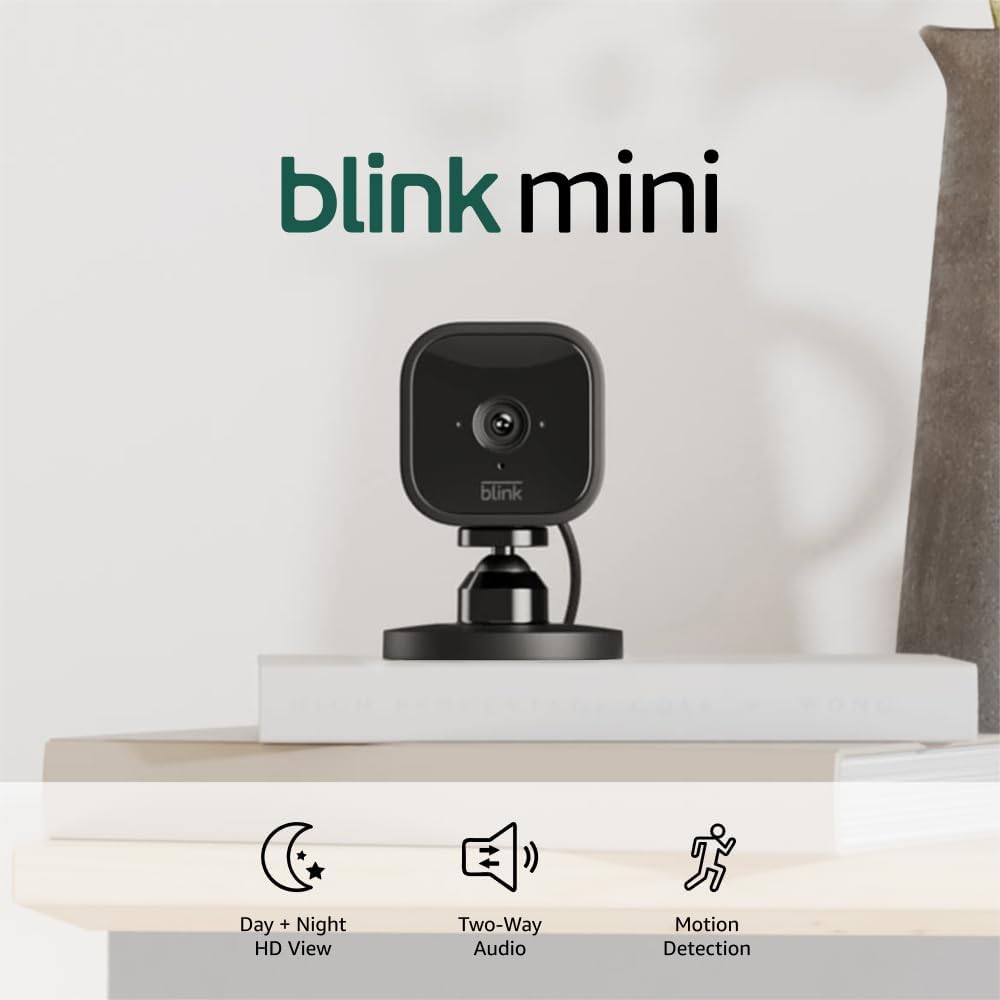
Blink Mini - Compact indoor plug-in smart security camera...
As an Amazon Associate we earn from qualifying purchases.


