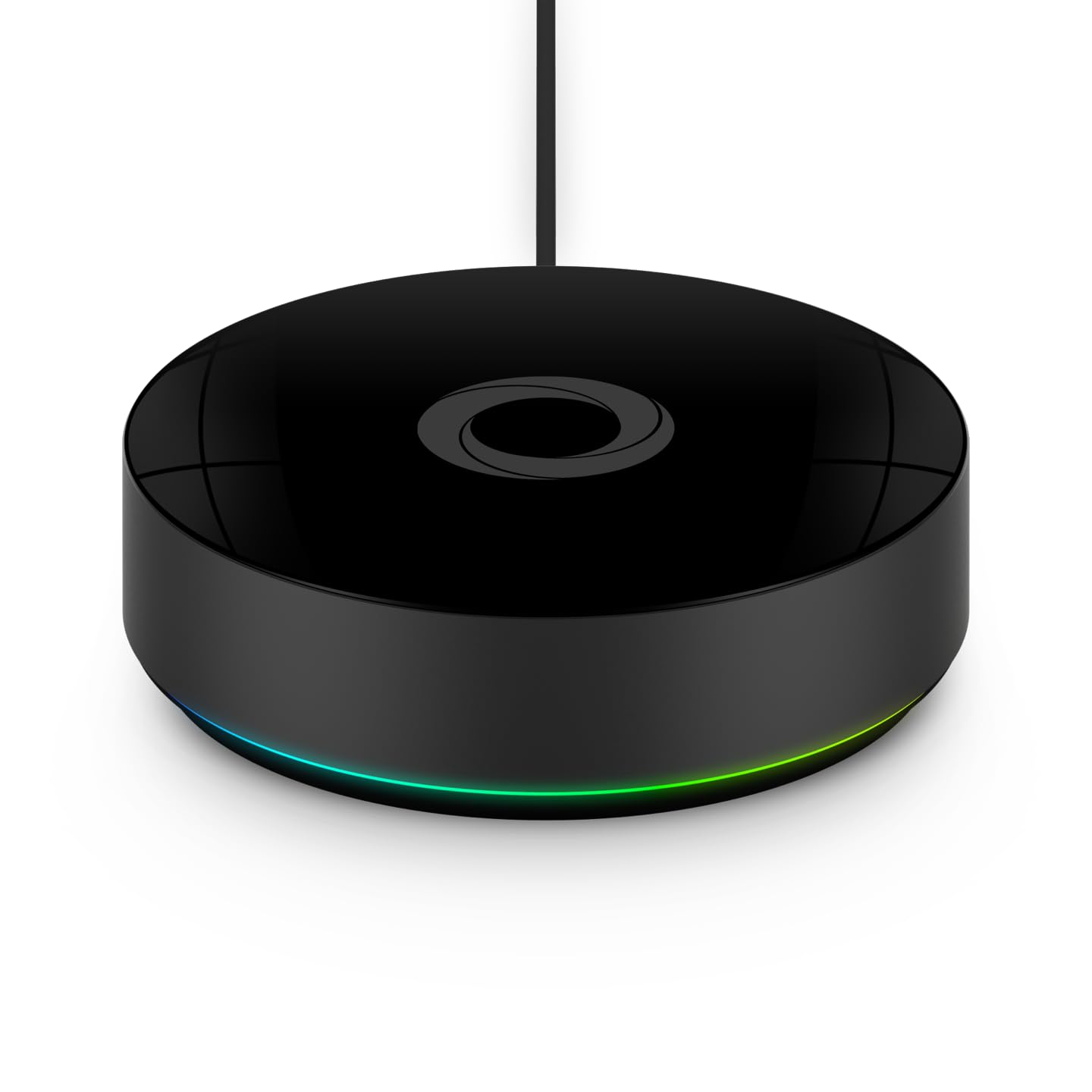

Why Won't My Scout Hub Pair with Sensors?
- WiFi connection unstable or device too far from router
- Device firmware or app needs updating
- Device not properly set up during initial pairing
Problem Description
Your Scout hub is not discovering or pairing with sensors during setup. The hub must be online and connected to your WiFi network before it can pair sensors. Sensors need to be in pairing mode (usually by pulling the battery tab or pressing the reset button) and within close range of the hub during initial pairing.
Symptoms
- Device shows as offline in the app
- Device does not respond to commands
- App cannot connect to device
- Features not working as expected
- Device disconnects frequently
- Automations fail to trigger
- Voice commands not recognized
Recognize these? Here's what usually causes it.
Common Causes
- WiFi connection unstable or device too far from router
- Device firmware or app needs updating
- Device not properly set up during initial pairing
- Power supply issue or loose connection
- Account not linked correctly
- Too many devices causing network congestion
- Interference from other wireless devices
Most fixes happen in the first 3 steps.
Always notify your monitoring provider before performing system tests to prevent dispatching emergency services unnecessarily. Never disable your security system for extended periods. If you smell gas or suspect a real emergency call 911 directly rather than relying on your smart system.
Tools & Requirements
Step-by-Step Solution
Check the Scout hub is online
The Scout hub must be powered on and connected to WiFi before pairing sensors. Open the Scout app — the hub should show as Online. If offline: check power (the hub plugs into an outlet) and WiFi (the hub connects to 2.4GHz only). If the hub was recently set up, wait 5 minutes for it to fully boot and connect before attempting sensor pairing.
Put the sensor in pairing mode
Each Scout sensor has a specific pairing method. Most sensors: pull the battery tab (new sensors) or press the small pairing button on the sensor. The sensor LED blinks to indicate pairing mode. In the Scout app, go to Devices > + Add Device > select the sensor type. The app searches for the sensor. Keep the sensor within 5 feet of the hub during pairing for the strongest signal.
Check the sensor battery
A sensor with a dead battery cannot pair. For new sensors, verify the battery pull tab was removed completely. For existing sensors being re-paired, insert a fresh battery (CR2032 for access sensors, CR123A for motion sensors — check your model). After inserting the battery, the sensor should show a brief LED flash confirming power. If no LED, try a different battery.
Reset the sensor before re-pairing
If the sensor was previously paired with a different hub or account: it needs to be reset before pairing with a new hub. Press and hold the sensor's reset button (small pinhole on the back) for 10 seconds. The LED flashes to confirm the reset. The sensor clears its previous pairing data and is ready for fresh pairing. Without resetting, the sensor rejects the new hub because it is still bound to the old one.
Restart the hub and try again
If sensors still will not pair: unplug the Scout hub for 30 seconds, plug it back in, and wait 3 minutes for it to fully boot. Then attempt pairing again. If multiple sensors fail to pair, the hub's radio may be temporarily stuck — the restart clears this. If a specific sensor model consistently fails, check the Scout app for firmware updates — both the hub and sensors receive updates that fix compatibility issues.
Quick Solutions
Still having issues? This is usually the deeper cause below.
If pairing fails after multiple attempts, the device may still be registered to a previous account — factory-reset it before trying to add it to a new one.
Set up geofencing so your system arms automatically when everyone leaves home and disarms when the first person returns. This eliminates the chance of forgetting to arm the system and provides seamless daily security.
Pairing failures almost always come down to distance during the initial handshake — manufacturers seriously understate how close you actually need to be.
- WiFi connection unstable or device too far from router
- Device firmware or app needs updating
- Device not properly set up during initial pairing
- Power supply issue or loose connection
- Account not linked correctly
Before you go — try one of these (they fix most cases).
Official Manufacturer Manual
Scout Alarm provides official product documentation through their online manual rather than downloadable PDF. Access setup guides, troubleshooting steps, and product specifications for your Scout Hub.
Source: scoutalarm.com
Need More Help? Scout Alarm Support
Note: The contact information below connects you directly to Scout Alarm's official customer support team, not Trunetto. They can help with warranty claims, device replacements, and advanced technical issues.