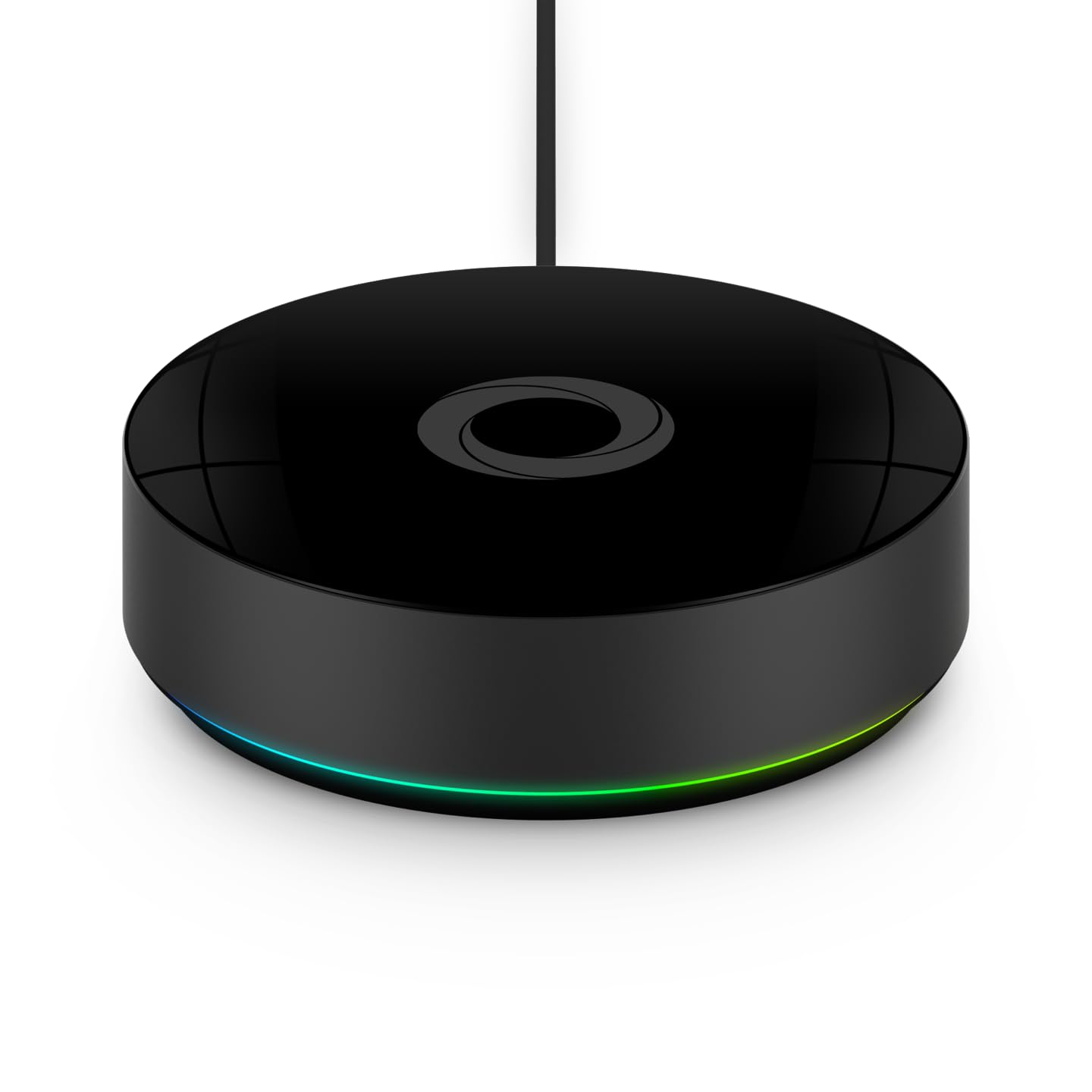

How Do I Set Up Hubitat Cloud Backup?
- Hub Protect subscription not active
- Relying only on local backups stored on the hub
- Cloud Backup schedule not enabled
Problem Description
You want to protect your Hubitat Elevation configuration with backups so you can restore after a hub failure, corruption, or migration. Hubitat provides free local backups stored on the hub and a paid Hub Protect subscription that adds automatic cloud backup and Z-Wave/Zigbee radio recovery, and the usual confusion is the difference between the two and how to enable and restore each.
Why This Happens in Real Homes
Hubitat keeps local backups on the hub itself, which is no help if the hub dies, so real protection means either downloading local backups off the hub or subscribing to Hub Protect for automatic cloud backup and radio restore. In real homes people assume the local backup is safe until the hub fails.
Download local backups regularly, and use Hub Protect if you want cloud backup plus Z-Wave and Zigbee radio recovery.
Symptoms
- Not sure how to back up the hub
- No off-hub copy of the configuration
- Cloud Backup option not available
- Backup fails or does not run
- Cannot restore to a new hub
- Have local backup, want cloud
- Hub Protect not activated
- Restore does not include the radios
Recognize these? Here's what usually causes it.
Common Causes
- Hub Protect subscription not active
- Relying only on local backups stored on the hub
- Cloud Backup schedule not enabled
- Confusing local backup with cloud backup
- Radio backup requires Hub Protect
- Backup created but never downloaded off the hub
- Restoring to a different hub model
- Connectivity issue during cloud backup
Most fixes happen in the first 3 steps.
Do not factory reset your hub unless absolutely necessary as this removes all paired devices, automations, and settings. You will need to re-pair every single device from scratch which can take hours for a large setup. Always try a simple restart first.
Tools & Requirements
These tools will help you complete this fix.
As an Amazon Associate we earn from qualifying purchases.
Step-by-Step Solution
Access the backup settings
In the Hubitat web interface, go to Settings > Backup and Restore. Hubitat provides both local backups (saved on the hub) and cloud backups (stored on Hubitat servers). Local backups are free and automatic. Cloud backups require a Hubitat Hub Protect subscription ($29.99/year) which also adds remote access and extended warranty.
Create a local backup
On the Backup and Restore page, click Download Backup. The hub generates a .lzf backup file that includes the hub database, apps, rules, dashboards, and settings. Save this file to your computer. Create local backups before making major changes (firmware updates, adding new apps, reorganizing devices). Local backups do not include the hub firmware — only user data and configuration.
Enable cloud backups with Hub Protect
If you have Hub Protect, go to Settings > Hub Protect and sign in. Enable Cloud Backup. The hub automatically uploads encrypted backups to the Hubitat cloud daily. You can also trigger a manual cloud backup. Cloud backups are accessible from any browser by logging into the Hubitat portal — useful if your hub hardware fails and you need to restore to a replacement hub.
Restore from a backup
To restore a local backup: go to Settings > Backup and Restore > Restore. Upload the .lzf file. The hub restores all devices, apps, and settings. The hub reboots after restoration. To restore from cloud: log into the Hubitat portal, select the backup, and push it to your hub. Important: restoring a backup overwrites everything on the hub — all current devices, rules, and settings are replaced with the backup state.
Backup best practices
Download a local backup before every firmware update. Keep at least 3 recent backups on your computer. If you make a major change (restructuring rooms, adding many devices, rewriting automations), create a backup before and after. If a firmware update causes problems, you can downgrade the firmware and restore the pre-update backup. Do not rely solely on cloud backups — keep local copies as redundancy.
Quick Solutions
Still having issues? This is usually the deeper cause below.
If the hub reconnects then drops every few minutes, check for an IP conflict — two devices sharing the same DHCP address fight each other continuously.
Place your hub in a central location in your home, elevated off the floor and away from your WiFi router by at least 3 feet. This provides the best Zigbee and Z-Wave signal coverage to all corners of your house.
Hub disconnections that cycle repeatedly are almost always IP conflicts — two devices fighting over the same DHCP lease after a router restart.
- Hub Protect subscription not active
- Relying only on local backups stored on the hub
- Cloud Backup schedule not enabled
- Confusing local backup with cloud backup
- Radio backup requires Hub Protect
Before you go — try one of these (they fix most cases).
Most popular upgrades chosen by Hubitat Elevation owners.

As an Amazon Associate we earn from qualifying purchases.
Official Manufacturer Manual
Hubitat provides official product documentation through their online manual rather than downloadable PDF. Access setup guides, troubleshooting steps, and product specifications for your Hubitat Elevation.
Source: hubitat.com
Need More Help? Hubitat Support
Note: The contact information below connects you directly to Hubitat's official customer support team, not Trunetto. They can help with warranty claims, device replacements, and advanced technical issues.