Why Won't My Hubitat Dashboard Load?
- Hub low on memory or CPU-bound
- Too many tiles or devices on one dashboard
- Browser cache or cookie issue
Problem Description
Your Hubitat dashboard does not load, shows a blank or endlessly spinning page, or throws a connection error in the browser or mobile app. Other hub functions may still work. Because dashboards are served by the hub itself, this is usually a hub load or memory problem, a browser or cloud-link issue, or a dashboard with too many tiles.
Why This Happens in Real Homes
Hubitat serves dashboards from the hub itself, so a dashboard that will not load usually means the hub is short on memory or a dashboard is overloaded with tiles, not a website outage. In real homes one giant dashboard or a rogue custom app drags the whole hub down.
Reboot the hub, split oversized dashboards, and check whether a custom app is hogging resources before blaming the network.
Symptoms
- Dashboard shows a blank or spinning page
- Dashboard times out loading
- Error connecting to the dashboard
- Loads locally but not remotely (or reverse)
- Tiles missing or not updating
- Very slow to render
- Fails after adding many tiles
- Fails after a hub update
Recognize these? Here's what usually causes it.
Common Causes
- Hub low on memory or CPU-bound
- Too many tiles or devices on one dashboard
- Browser cache or cookie issue
- Cloud link down for remote access
- Local vs cloud dashboard URL mismatch
- A misbehaving custom app or driver hogging the hub
- Hub needs a reboot
- Network path issue to the hub
Most fixes happen in the first 3 steps.
Use cloud dashboard only when away, local when home for speed.
Tools & Requirements
These tools will help you complete this fix.
As an Amazon Associate we earn from qualifying purchases.
Step-by-Step Solution
Check the hub is accessible on the network
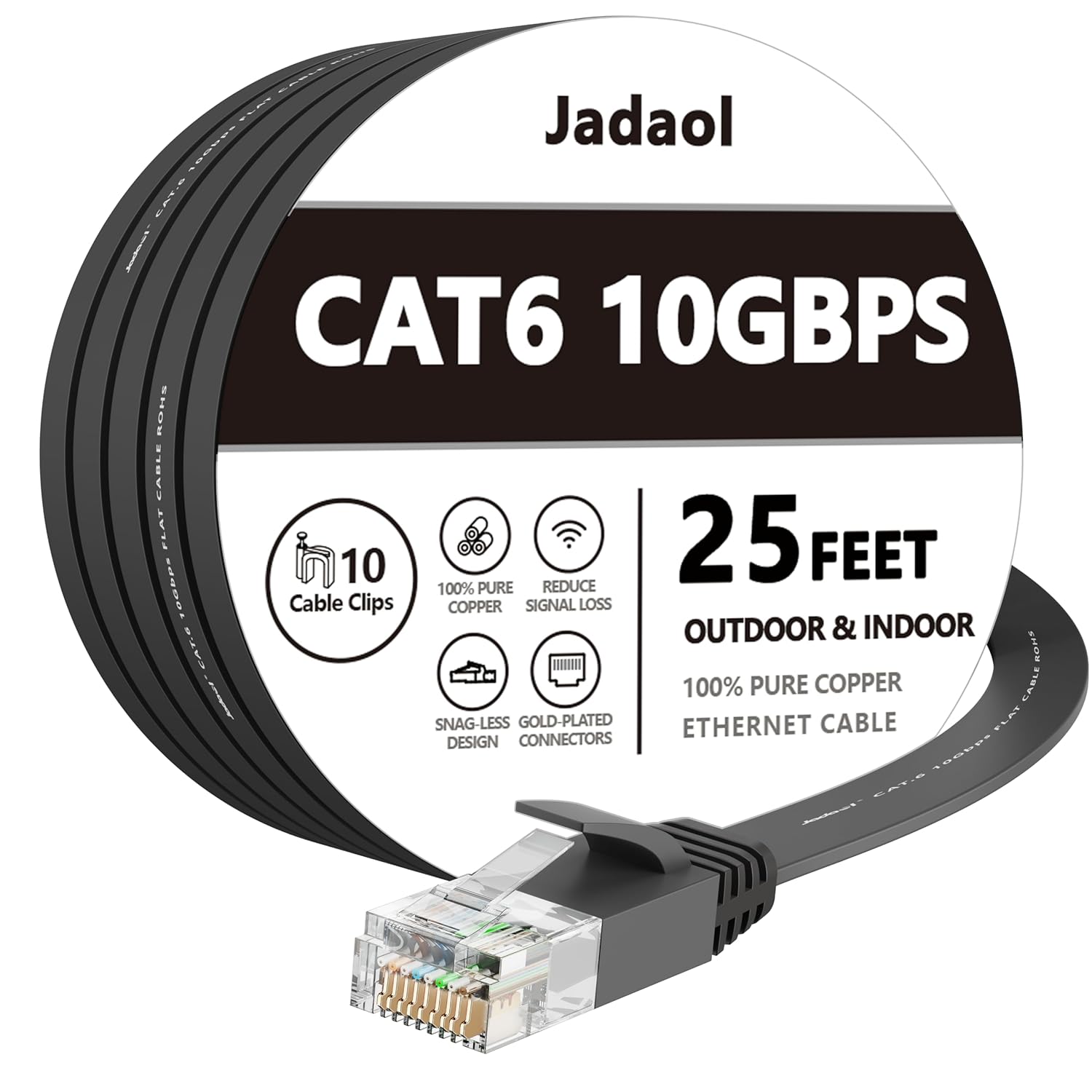
Open a browser and go to your Hubitat hub IP address (e.g., http://192.168.1.100). If the hub admin page loads, the hub is online and the issue is specific to the dashboard. If the admin page does not load, check the hub network connection — Ethernet cable seated, router running, hub powered on (green LED). If the hub IP changed (common after router restarts), use http://hubitat.local or check your router DHCP client list for the new IP.
Needed for this step
Jadaol Cat 6 Ethernet Cable 25 ft, 10Gbps Suppo...
This helps complete the fix you are currently reading.
$9.99Try a different browser or clear cache
Hubitat dashboards run in the browser using JavaScript. If a dashboard loads partially or shows a blank page, clear your browser cache and cookies for the hub IP. Try a different browser. Chrome and Safari work best with Hubitat dashboards. Firefox and Edge sometimes have rendering issues with the dashboard tile layout. Also try an incognito/private window to rule out browser extensions interfering.
Check the dashboard for too many tiles or heavy devices
Dashboards with more than 30-40 tiles can load slowly, especially if the tiles include devices that report frequently (power meters, temperature sensors). In the Hubitat web interface, go to Apps > Hubitat Dashboard and open the slow dashboard. Remove tiles you do not need or split the dashboard into two. Also check for tiles with image URLs — large images or broken image links cause dashboard loading to stall.
Check hub resource usage
A slow hub makes all dashboards slow. Go to Settings > Hub Statistics (or check the hub About page). If CPU usage is consistently above 80% or memory usage is near the limit, the hub is overloaded. Common causes: too many apps, a malfunctioning device driver that polls excessively, or Z-Wave ghost devices flooding the mesh with route discovery. Fix the underlying performance issue to restore dashboard speed.
Access the dashboard remotely
For remote access outside your home network, you need Hubitat Cloud Dashboard (included with Hub Protect subscription) or a VPN into your home network. The local dashboard URL only works on your LAN. If you set up cloud dashboard access and it is not loading, check your Hubitat portal login and verify that Cloud Dashboard is enabled in Settings > Hub Protect.
Quick Solutions
Still having issues? This is usually the deeper cause below.
If the hub reconnects then drops every few minutes, check for an IP conflict — two devices sharing the same DHCP address fight each other continuously.
Place your hub in a central location in your home, elevated off the floor and away from your WiFi router by at least 3 feet. This provides the best Zigbee and Z-Wave signal coverage to all corners of your house.
Hub disconnections that cycle repeatedly are almost always IP conflicts — two devices fighting over the same DHCP lease after a router restart.
- Hub low on memory or CPU-bound
- Too many tiles or devices on one dashboard
- Browser cache or cookie issue
- Cloud link down for remote access
- Local vs cloud dashboard URL mismatch
Before you go — try one of these (they fix most cases).
Most popular upgrades chosen by Hubitat Elevation owners.

As an Amazon Associate we earn from qualifying purchases.
Official Manufacturer Manual
Hubitat provides official product documentation through their online manual rather than downloadable PDF. Access setup guides, troubleshooting steps, and product specifications for your Hubitat Elevation.
Source: hubitat.com
Need More Help? Hubitat Support
Note: The contact information below connects you directly to Hubitat's official customer support team, not Trunetto. They can help with warranty claims, device replacements, and advanced technical issues.