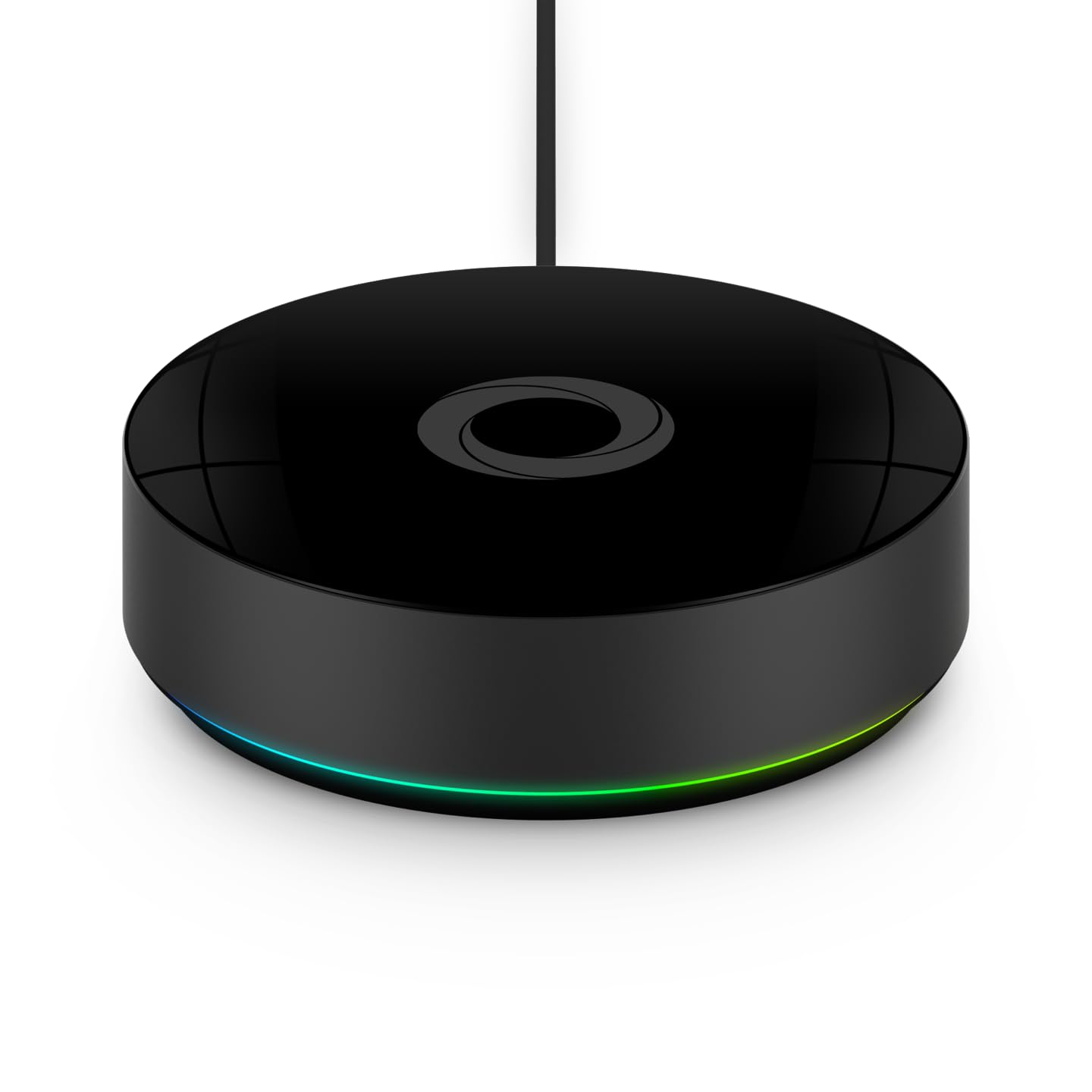

How Does Hubitat Elevation Local Processing Work?
- Devices, rules, and dashboards run on the hub locally
- Only remote access and voice go through the cloud
- Local processing removes internet dependency for automations
Problem Description
You want to understand how Hubitat Elevation local processing works, or you are troubleshooting behavior that stems from it. Unlike cloud-dependent hubs, Hubitat runs devices, rules, and dashboards locally on the hub, so automations keep working without internet, but the hub's own CPU and memory become the performance ceiling.
Why This Happens in Real Homes
Hubitat's local processing is its main advantage: your lights, sensors, and rules keep running even when the internet is down, because the hub does the work itself. In real homes that also means the hub's CPU and memory are the ceiling, so a heavy community app or a chatty device slows everything.
Keep the local load reasonable and use the cloud only for remote access and voice.
Symptoms
- Unsure what runs locally versus in the cloud
- Automations still work with the internet down
- Remote access fails but local control works
- Hub slows as more devices are added
- Voice assistants lag while local is instant
- Confused why some features need the cloud
- Local dashboards fast, remote slow
- Hub load affects performance
Recognize these? Here's what usually causes it.
Common Causes
- Devices, rules, and dashboards run on the hub locally
- Only remote access and voice go through the cloud
- Local processing removes internet dependency for automations
- Hub CPU and memory are the performance ceiling
- Heavy apps or chatty devices load the hub
- Cloud relay used only for remote and integrations
- Local speed versus cloud latency difference
- Backups and some integrations use the cloud
Most fixes happen in the first 3 steps.
Do not factory reset your hub unless absolutely necessary as this removes all paired devices, automations, and settings. You will need to re-pair every single device from scratch which can take hours for a large setup. Always try a simple restart first.
Tools & Requirements
Step-by-Step Solution
Understand what local processing means on Hubitat
Hubitat Elevation runs all automations locally on the hub hardware — no cloud required. When your internet goes down, your lights, locks, sensors, and automations keep working. This is the main advantage over cloud-dependent hubs like SmartThings or Alexa. Z-Wave, Zigbee, and LAN-connected devices all process locally. The only features that need internet are cloud integrations (Alexa, Google, cloud dashboards) and firmware updates.
Verify which devices are processing locally
All Zigbee and Z-Wave devices paired directly to the hub process locally. WiFi devices using local LAN integrations (like Lutron via the Lutron bridge, or Philips Hue via the Hue bridge) also process locally as long as the integration uses the local API. Cloud-only integrations (like IFTTT, some WiFi device cloud APIs) still need internet. Go to Devices in the Hubitat web interface — each device shows its type. Devices using a local driver (built-in or community) process locally. Devices using a cloud endpoint driver do not.
Set up Hubitat without internet access
During initial hub setup, the Hubitat Elevation requires internet access to register and download firmware. After initial setup, the hub runs independently. If you want to minimize cloud dependency, skip optional cloud features during setup: cloud dashboards, Alexa skill, Google Home integration. You can still access the hub via its local IP address (http://hubitat.local or the IP address assigned by your router).
Add the Hubitat mobile app for local access
The Hubitat mobile app can connect locally to the hub over your home WiFi — no internet needed. In the app settings, make sure Local Access is enabled. When your phone is on the same WiFi network as the hub, the app communicates directly with the hub over LAN. For remote access when away from home, you need either Hub Protect (Hubitat cloud relay) or a VPN into your home network.
Monitor local processing performance
Go to the hub web interface and check Settings > Hub Information. This shows CPU load, memory usage, and uptime. For smooth local processing, keep the number of active apps under 40-50 and avoid custom drivers that poll cloud APIs frequently. If the hub feels sluggish, check Logs for repeated errors or warnings from specific apps — a misbehaving app or driver can consume resources and slow all local automations.
Quick Solutions
Still having issues? This is usually the deeper cause below.
If the hub reconnects then drops every few minutes, check for an IP conflict — two devices sharing the same DHCP address fight each other continuously.
Place your hub in a central location in your home, elevated off the floor and away from your WiFi router by at least 3 feet. This provides the best Zigbee and Z-Wave signal coverage to all corners of your house.
Hub disconnections that cycle repeatedly are almost always IP conflicts — two devices fighting over the same DHCP lease after a router restart.
- Devices, rules, and dashboards run on the hub locally
- Only remote access and voice go through the cloud
- Local processing removes internet dependency for automations
- Hub CPU and memory are the performance ceiling
- Heavy apps or chatty devices load the hub
Before you go — try one of these (they fix most cases).
Most popular upgrades chosen by Hubitat Elevation owners.

As an Amazon Associate we earn from qualifying purchases.
Official Manufacturer Manual
Hubitat provides official product documentation through their online manual rather than downloadable PDF. Access setup guides, troubleshooting steps, and product specifications for your Hubitat Elevation.
Source: hubitat.com
Need More Help? Hubitat Support
Note: The contact information below connects you directly to Hubitat's official customer support team, not Trunetto. They can help with warranty claims, device replacements, and advanced technical issues.