Why Is My Hubitat Hub So Slow or Not Responding?
- Hub CPU or memory exhausted
- A looping or heavy custom app or driver
- A chatty device flooding events
Problem Description
Your Hubitat hub is slow to respond or becomes unresponsive, with delayed device commands, laggy automations, or the admin UI timing out. Because Hubitat processes locally, this is a hub resource problem: too many devices or events, a heavy or looping custom app, mesh retries, or a memory leak that a reboot temporarily clears.
Why This Happens in Real Homes
A sluggish or unresponsive Hubitat is almost always resource exhaustion from a heavy app, a chatty device, or mesh retries, since the hub does all the work locally. In real homes a community app with a loop or a power meter reporting every second slowly starves the hub until a reboot.
Reboot to confirm it is load-related, then disable the newest custom app and hunt the chatty device before suspecting failing hardware.
Symptoms
- Device commands are delayed several seconds
- Admin UI slow or times out
- Automations lag or pile up
- Hub becomes unresponsive until rebooted
- Gets worse the longer since a reboot
- High load in the hub stats
- Slower after adding a custom app
- Zigbee/Z-Wave commands queue up
Recognize these? Here's what usually causes it.
Common Causes
- Hub CPU or memory exhausted
- A looping or heavy custom app or driver
- A chatty device flooding events
- Mesh retries from a weak Zigbee/Z-Wave route
- Memory leak over days of uptime
- Excess debug logging
- Database bloat
- Too many complex rules
Most fixes happen in the first 3 steps.
Regular database maintenance keeps hub running smoothly. Schedule monthly.
Tools & Requirements
These tools will help you complete this fix.
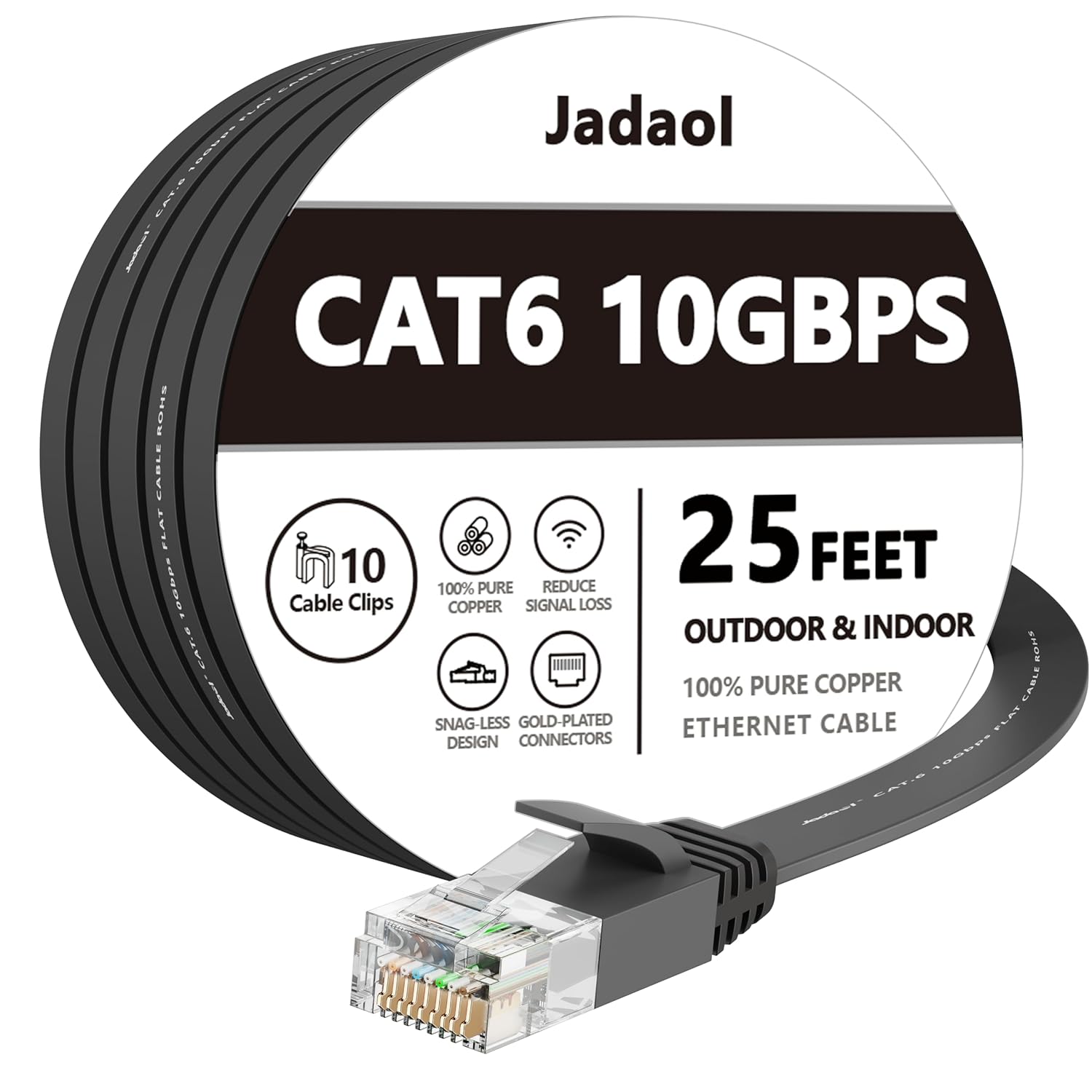
As an Amazon Associate we earn from qualifying purchases.
Step-by-Step Solution
Power cycle the hub properly
Unplug the Hubitat hub from power. Wait a full 30 seconds — the hub has capacitors that hold charge briefly. Plug it back in. The green LED blinks during boot and turns solid when the hub is ready (takes 1-2 minutes). After boot, try accessing the web interface at http://hubitat.local or the hub IP address. If the hub was completely frozen, this clears the issue in most cases.
Check the Z-Wave radio for ghost nodes
Ghost nodes are the most common cause of a slow Hubitat hub. Go to Settings > Z-Wave Details. Look for entries with no route information or that show blank in the Route column. These ghosts cause the Z-Wave radio to continuously try to communicate with devices that do not exist, consuming CPU and slowing everything else. Remove each ghost node (click Refresh, wait, then click Remove). Check back after removal — the hub should respond faster within minutes.
Disable apps one at a time to find the culprit
A runaway app or driver can lock up the hub. Go to Apps and disable (pause) each app one at a time, starting with the most complex ones — large Rule Machine rules, custom community apps, integrations that poll external services. After disabling each app, use the hub for a few minutes and check if responsiveness improves. When you find the culprit, either fix the app configuration or replace it with a simpler alternative.
Check for Zigbee interference
The Hubitat Zigbee radio operates on 2.4GHz, same as WiFi. If your WiFi router uses channels that overlap with the Zigbee channel, interference slows Zigbee communication and increases hub load from retries. Check your Zigbee channel in Settings > Zigbee Details. Zigbee channels 15, 20, and 25 have the least WiFi overlap. If needed, change the Zigbee channel — but note that all Zigbee devices will need to rejoin the network after a channel change.
Use the diagnostic tool for persistent issues
Access the hub diagnostic page at http://[hub-ip]:8081. This page works even when the main hub interface is frozen. From here you can: reboot the hub, perform a soft reset (preserves Z-Wave and Zigbee radios but rebuilds the database), or download a backup. If the hub is completely unresponsive even on port 8081, the hardware may be failing — the Hubitat C-5 and C-7 hubs use eMMC storage that can wear out after years of heavy logging. Contact Hubitat support or consider upgrading to a C-8 hub.
Quick Solutions
Still having issues? This is usually the deeper cause below.
If the hub reconnects then drops every few minutes, check for an IP conflict — two devices sharing the same DHCP address fight each other continuously.
Place your hub in a central location in your home, elevated off the floor and away from your WiFi router by at least 3 feet. This provides the best Zigbee and Z-Wave signal coverage to all corners of your house.
Hub disconnections that cycle repeatedly are almost always IP conflicts — two devices fighting over the same DHCP lease after a router restart.
- Hub CPU or memory exhausted
- A looping or heavy custom app or driver
- A chatty device flooding events
- Mesh retries from a weak Zigbee/Z-Wave route
- Memory leak over days of uptime
Before you go — try one of these (they fix most cases).
Most popular upgrades chosen by Hubitat Elevation owners.

As an Amazon Associate we earn from qualifying purchases.
Official Manufacturer Manual
Hubitat provides official product documentation through their online manual rather than downloadable PDF. Access setup guides, troubleshooting steps, and product specifications for your Hubitat Elevation.
Source: hubitat.com
Need More Help? Hubitat Support
Note: The contact information below connects you directly to Hubitat's official customer support team, not Trunetto. They can help with warranty claims, device replacements, and advanced technical issues.