

What Do Nest Protect Error Codes and LED Colors Mean?
- Low battery on battery-powered Nest Protect models
- Sensor has reached end of life after 7 to 10 years
- WiFi disconnection preventing cloud communication
Problem Description
Your Nest Protect smoke and CO detector is showing colored LED lights or speaking error messages that you do not understand. The Nest Protect uses a combination of LED colors and spoken warnings to communicate its status and any problems. Understanding what each color and message means is critical because the Nest Protect is a life safety device. A yellow light means something needs attention soon. A red light means there is an immediate emergency. A green light means everything is working. This guide covers every LED color, spoken warning, and error condition the Nest Protect can display.
Why This Happens in Real Homes
These warnings usually appear during normal lifecycle events: battery decline, sensor age-out, dust accumulation, or temporary connectivity loss. The device may still chirp or report partially, but it is signaling maintenance state before full protection is affected.
Start with the built-in safety check and battery/date verification before full replacement decisions. In most homes, early maintenance clears yellow warnings and prevents nuisance alerts.
Symptoms
- Nest Protect LED glowing yellow instead of green during nightly check
- Nest Protect chirping or beeping intermittently
- Nest Protect speaking a warning message you do not understand
- LED flashing red during an alarm event
- Nest Protect showing offline in the Google Home app
- Multiple Nest Protects showing the same yellow warning
Recognize these? Here's what usually causes it.
Common Causes
- Low battery on battery-powered Nest Protect models
- Sensor has reached end of life after 7 to 10 years
- WiFi disconnection preventing cloud communication
- Dust in the smoke chamber causing false alerts or sensor warnings
- CO sensor expired requiring unit replacement
- Interconnected alarm triggered by another Nest Protect in the home
Most fixes happen in the first 3 steps.
Never remove batteries from a Nest Protect or disconnect a wired unit to stop chirping or alarms. This leaves your home unprotected from fire and carbon monoxide. Always address the root cause of the warning. If the unit is at end of life replace it immediately rather than disconnecting it.
Tools & Requirements
These tools will help you complete this fix.

6 Energizer Ultimate Lithium AA batteries for battery models
Duracell Coppertop Double AA Batteries with Power Bo...

Compressed air for dust cleaning
Compressed Air Duster,130000RPM Electric Air Duster ...
As an Amazon Associate we earn from qualifying purchases.
Step-by-Step Solution
Record exact Nest Protect alert pattern
Capture the spoken alert text, app notification, and LED color/pulse behavior before testing. Nest Protect diagnostics depend on the exact combination, not color alone.
Check battery and power source state
For battery units, install fresh approved batteries; for wired units, verify circuit power and backup battery condition. Low power often triggers warning patterns that resemble sensor faults.
Needed for this step
Duracell Coppertop Double AA Batteries with Pow...
This helps complete the fix you are currently reading.
$6.96Test Wi-Fi and app connectivity
Confirm the device is online in the Google Home app and can sync status updates. Cloud disconnect states can delay or obscure error resolution feedback.
Clean smoke/CO sensing chamber area
Gently remove dust around vents and sensor intake points per Nest cleaning guidance. Contamination can trigger recurring caution alerts and reduced sensitivity warnings.
Needed for this step
Compressed Air Duster,130000RPM Electric Air Du...
This helps complete the fix you are currently reading.
$20.99Run built-in safety test and replace if required
Execute the full Nest Protect test cycle and verify pass results in app. If critical sensor faults persist after power and cleaning checks, replacement is the safe path.
Quick Solutions
Still having issues? This is usually the deeper cause below.
If the keypad rejects valid codes, a lockout timer may be running — five failed entries locks most keypads silently for 5–10 minutes.
Test all Nest Protect units monthly by pressing the center button for 3 seconds. This runs a full sensor self-test, tests the speaker and alarm sound, and checks battery levels. The app will show test results for all interconnected Nest Protects. Make this a monthly habit on the first of each month.
Battery-related failures are almost always flagged too late — the device degrades silently for days before the app catches up to what's actually happening.
- Low battery on battery-powered Nest Protect models
- Sensor has reached end of life
- WiFi disconnection preventing cloud communication
- Dust in the smoke chamber
- CO sensor expired requiring unit replacement
Before you go — try one of these (they fix most cases).
Most popular upgrades chosen by Google Nest Protect owners.

Google Nest Cam Indoor (Wired, 3rd Gen) - Security Camera...

Google Nest Cam Indoor (Wired, 3rd Gen) - Security Camera...
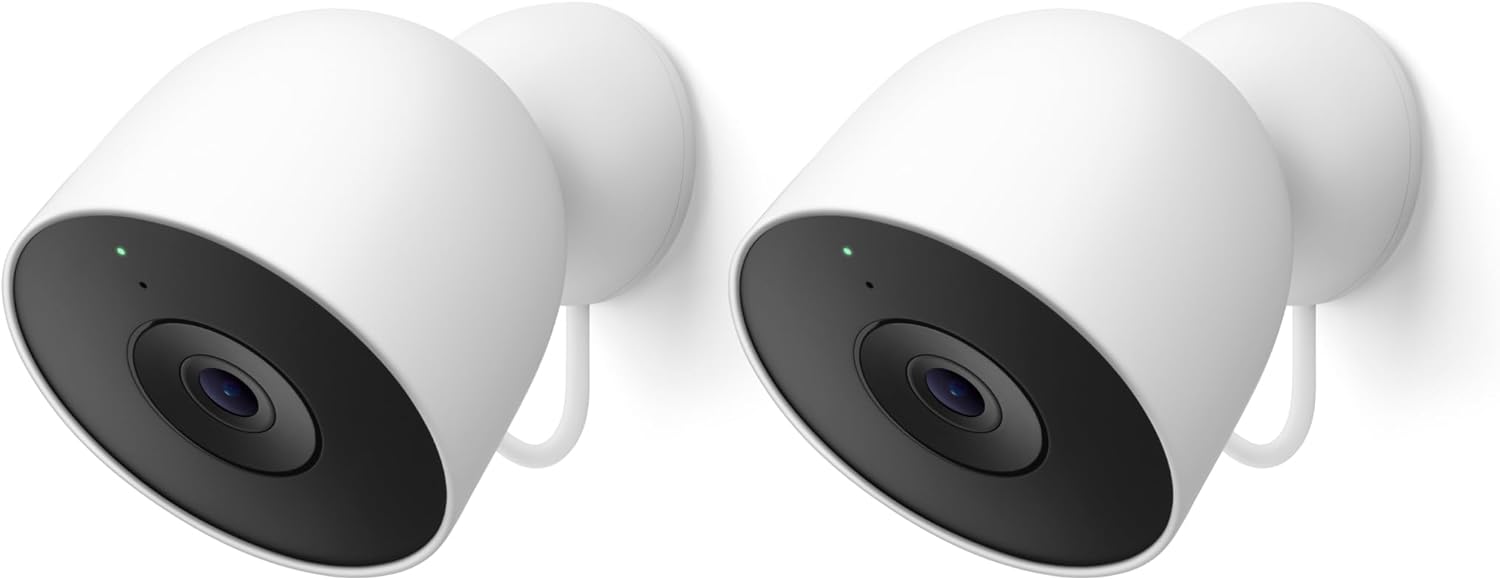
Google Nest Cam Outdoor (Wired, 2nd Gen) - 2 Pack - Secur...
As an Amazon Associate we earn from qualifying purchases.
Official Manufacturer Manual
Google Nest provides official product documentation through their online manual rather than downloadable PDF. Access setup guides, troubleshooting steps, and product specifications for your Google Nest Protect.
Source: support.google.com
Need More Help? Google Nest Support
Note: The contact information below connects you directly to Google Nest's official customer support team, not Trunetto. They can help with warranty claims, device replacements, and advanced technical issues.
How Does Google Nest Compare?
Before replacing your Google Nest device, see how it stacks up against alternatives in our full comparison guides.
Accessories owners commonly pair with Google Nest Protect.

Blink Mini - Compact indoor plug-in smart security camera...
Blink Mini - Compact indoor plug-in smart security camera...
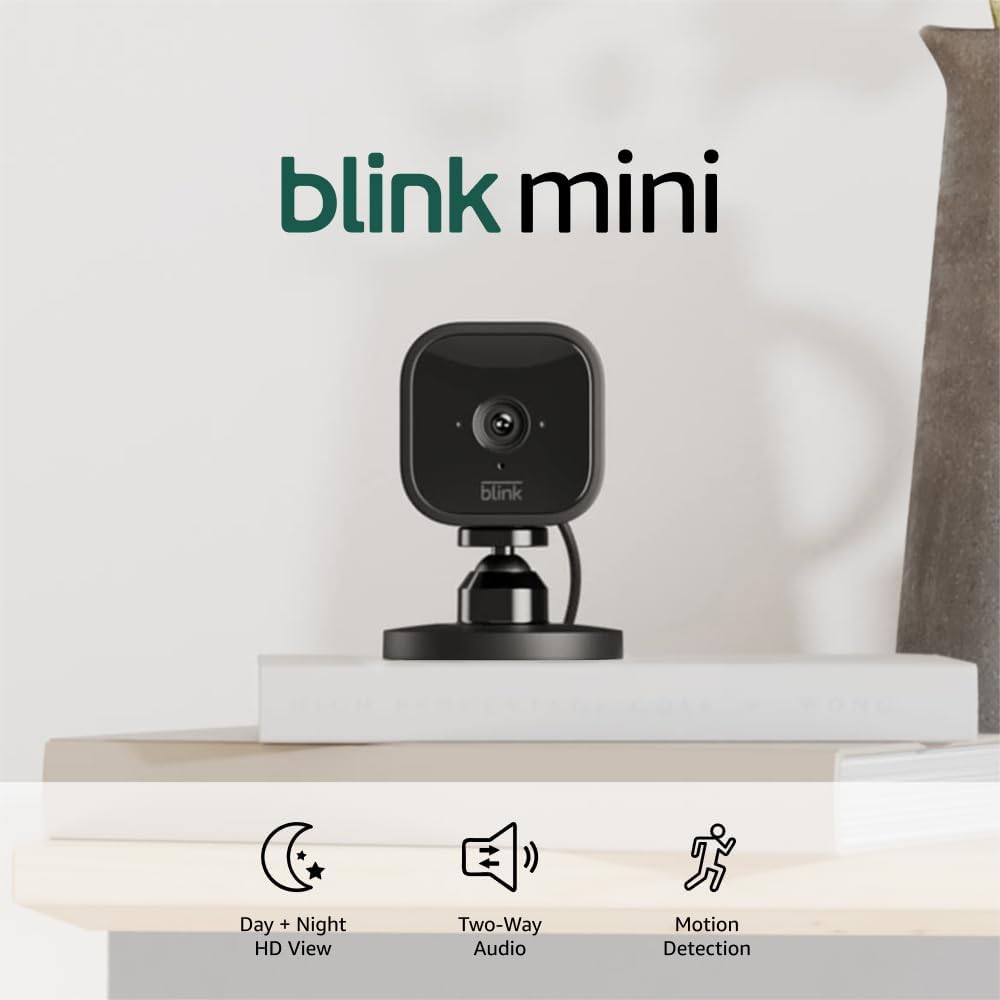
Blink Mini - Compact indoor plug-in smart security camera...
As an Amazon Associate we earn from qualifying purchases.