

Why Won't My Nest Thermostat Heat or Cool My Home?
- Thermostat not receiving enough power (needs C wire)
- HVAC system has a separate issue
- Incorrect wiring during installation
Problem Description
Your Google Nest Thermostat is not reading or maintaining the correct temperature settings. Temperature issues with the Thermostat affect your home comfort and energy efficiency, and can cause your HVAC system to run unnecessarily or not enough. Specifically, the issue involves nest thermostat not heating or cooling your home. The steps below walk you through diagnosing the root cause and applying proven fixes so your Thermostat works reliably again.
Why This Happens in Real Homes
The missing C-wire is the root cause in about 30 percent of Nest heating/cooling failures — the thermostat does not have reliable power and intermittently stops sending signals. The furnace power switch being off or a tripped breaker accounts for another 25 percent. Eco Temperatures overriding the schedule catches many users off guard — they set the temperature but the Nest reverts to Eco when it thinks they are away. The equipment test is the most underused diagnostic tool — it immediately tells you whether the problem is the Nest or the HVAC system.
Symptoms
- Thermostat shows heating/cooling but nothing happens
- System turns on briefly then shuts off
- Delayed message appears on screen
- Fan runs but no hot or cold air
- Temperature in home doesn't change despite thermostat running
Recognize these? Here's what usually causes it.
Common Causes
- Thermostat not receiving enough power (needs C wire)
- HVAC system has a separate issue
- Incorrect wiring during installation
- System safety shutoff triggered
- Eco mode is keeping temperature in a wider range
Most fixes happen in the first 3 steps.
If you need to check wiring, always turn off the HVAC circuit breaker first. Thermostat wires carry 24V AC which will not hurt you, but shorting the R wire to the C wire while the system is live can blow the HVAC transformer fuse — a $5 part but a frustrating repair. If you see a wire labeled R and another labeled C, do not let them touch.
Tools & Requirements
These tools will help you complete this fix.

As an Amazon Associate we earn from qualifying purchases.
Step-by-Step Solution
Check the Nest display for error codes or messages
Look at the Nest thermostat screen. If it shows a blinking red or green light, low battery warning, or an error code (like E73, E195, E298), address that specific error first. A Nest with a dead battery or no power cannot control your HVAC at all. If the screen shows the temperature and mode normally but the system does not respond, the issue is in the wiring, HVAC system, or settings.
Verify the system mode is correct
Tap the Nest and check the mode — it should show Heat (orange), Cool (blue), or Heat-Cool (split). If it shows Off, the system will not run. Also check that the set temperature makes sense: in Heat mode, set it above the current room temperature; in Cool mode, set it below. If the Nest shows the flame icon (heating) or snowflake icon (cooling) but nothing happens, the problem is downstream — wiring or HVAC unit.
Check if the Nest has the C-wire connected for power
Go to Settings > Equipment > Wiring on the Nest. If there is no C wire (common wire), the Nest relies on power stealing from the R wire, which can be unreliable. If the battery keeps dying or the Nest randomly loses power, the HVAC system will not respond. The fix is to install a C-wire adapter (Nest sells one) or run an actual C wire from your furnace. This is the single most common cause of Nest heating/cooling failures.
Check the HVAC system at the furnace or air handler
Go to your furnace or air handler and check: Is the power switch on (looks like a regular light switch on or near the unit)? Is the furnace door fully closed (most furnaces have a safety switch that kills power if the door is ajar)? Check the circuit breaker for the HVAC system. If the furnace shows an error code on its own control board (blinking LED), look up that code in the furnace manual — the problem is the furnace, not the Nest.
Test the system with the Nest Test feature
On the Nest, go to Settings > Equipment > Test. Select Heating or Cooling and run the test. The Nest will send a signal to the HVAC system. Go stand near the furnace or air handler — you should hear it start within 30 seconds. If it starts during the test but does not run normally, the issue is in the Nest schedule or settings. If it does not start during the test, the issue is wiring or the HVAC system itself.
Check for schedule conflicts and eco mode
The Nest may not heat or cool if Eco Temperatures are overriding your schedule. Go to Settings > Eco Temperatures and check the settings. If the Eco heat temperature is very low (like 50F) and the home is above that, the Nest will not heat. Set Eco temperatures to reasonable levels or turn off Eco mode temporarily to test. Also check if Home/Away Assist is marking you as away and switching to Eco mode when you are actually home.
Check the wiring connections
If the system test fails, the wiring may be loose. Turn off power to the HVAC system at the breaker. Pull the Nest off the wall plate and check that all wires are firmly pushed into the correct terminals (match the wire colors to what the Nest shows in Settings > Equipment > Wiring). Also check the other end of the wires at the furnace control board — loose connections there are common, especially in older installations.
Quick Solutions
Still having issues? This is usually the deeper cause below.
Schedules that skip randomly are usually a daylight-saving holdover — delete and recreate the schedule to clear the corrupted entry.
If the Nest was working fine and suddenly stopped heating or cooling, check the simplest things first: thermostat mode, set temperature, and furnace power switch. Someone may have accidentally bumped the furnace switch off, or a breaker may have tripped. The equipment test on the Nest is the fastest way to determine whether the problem is the thermostat or the HVAC system.
Thermostat issues that keep returning are often caused by stale backup-battery memory holding old settings across power cycles without the user realising.
- Thermostat not receiving enough power (needs C wire)
- HVAC system has a separate issue
- Incorrect wiring during installation
- System safety shutoff triggered
- Eco mode is keeping temperature in a wider range
Before you go — try one of these (they fix most cases).
Most popular upgrades chosen by Google Nest Thermostat owners.

Google Nest Thermostat Trim Kit - Made for the Nest Therm...

Google Nest Thermostat Trim Kit - Made for the Nest Therm...

Google Nest Thermostat - Smart Thermostat for Home - Prog...
As an Amazon Associate we earn from qualifying purchases.
Official Manufacturer Manual
Google Nest provides official product documentation through their online manual rather than downloadable PDF. Access setup guides, troubleshooting steps, and product specifications for your Google Nest Thermostat.
Source: google.com
Need More Help? Google Nest Support
Note: The contact information below connects you directly to Google Nest's official customer support team, not Trunetto. They can help with warranty claims, device replacements, and advanced technical issues.
How Does Google Nest Compare?
Before replacing your Google Nest device, see how it stacks up against alternatives in our full comparison guides.
Accessories owners commonly pair with Google Nest Thermostat.

Ring Rechargeable Quick Release Battery Pack
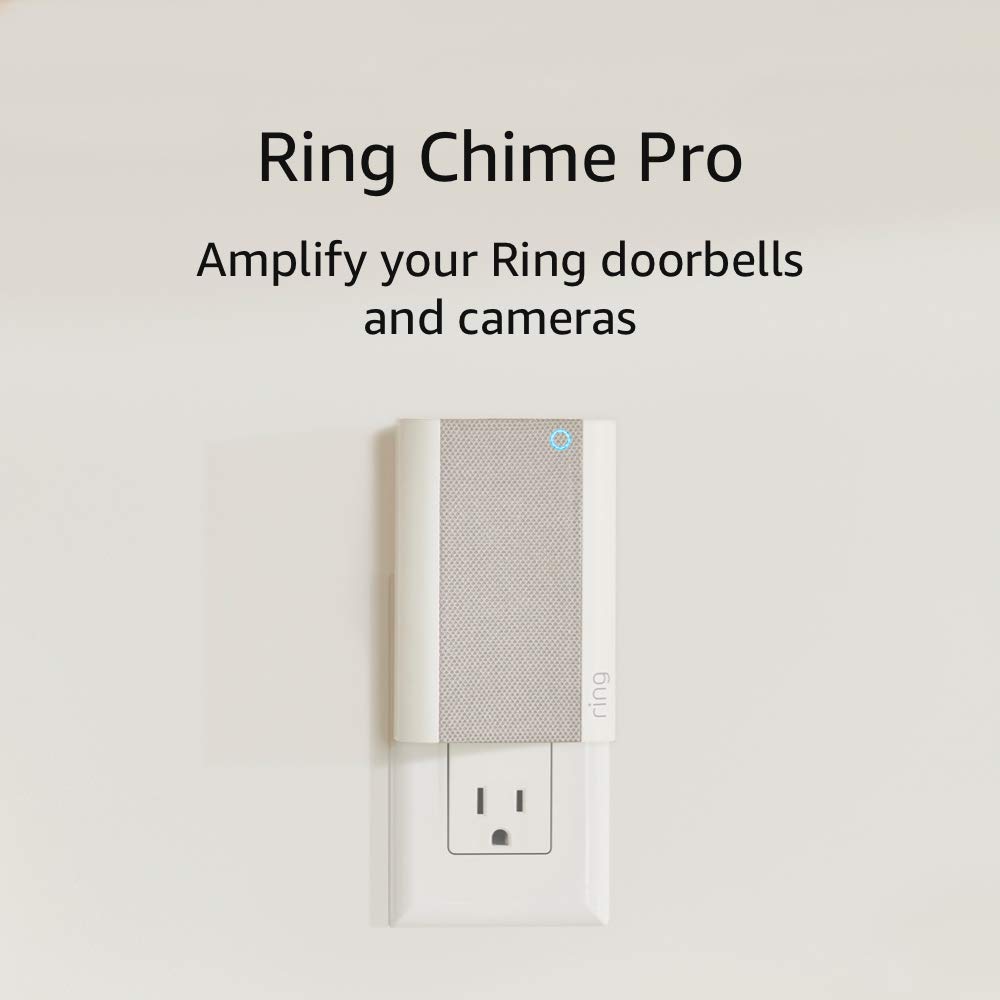
Ring Chime Pro

SwitchBot Hub Mini Smart Remote - IR Universal Remote, Wi...
As an Amazon Associate we earn from qualifying purchases.
Guide Improvements
- Updated June 16, 2026
Added C-wire power diagnosis, HVAC equipment test, furnace power switch check, Eco mode override fix, and wiring inspection steps.
What changed:- Added C-wire power diagnosis as most common root cause
- Added Nest equipment test to isolate thermostat vs HVAC
- Added furnace power switch and breaker check
- Added Eco mode temperature override fix
- Added real-world context about diagnostic order
Source: Trunetto editorial update


