

Why Does My Nest Protect Keep Going Off for No Reason?
- Placed too close to kitchen
- Steam from bathroom
- Dust buildup in sensor
Problem Description
Your Nest Protect smoke/CO alarm keeps going off with no visible smoke or CO source. Identify what triggered the alarm — the Nest app shows whether it was smoke, CO, or steam. Kitchen steam, bathroom humidity, heavy dust, and insects inside the unit can trigger false alarms. The Nest Protect has both photoelectric and CO sensors.
Why This Happens in Real Homes
False Nest Protect alarms almost always trace back to where the unit is mounted and what drifts past it. Kitchens and bathrooms are the usual offenders — cooking smoke, toast, and shower steam all read as particulates to the sensor, especially within a few feet of a stove or bathroom door. Dust and insects settling in the sensor chamber over months cause the rest.
Start by opening the Nest app history to see whether it logged smoke, CO, or a steam/heads-up event, then vacuum the unit's vents and consider relocating it farther from the cooking or steam source.
Symptoms
- Alarms when cooking with no smoke
- Yellow warning for no reason
- Doesn't alarm during smoke test
- Says smoke detected but nothing there
- CO alarm with no source
Recognize these? Here's what usually causes it.
Common Causes
- Placed too close to kitchen
- Steam from bathroom
- Dust buildup in sensor
- Sensor end of life
- Interconnect issue with other Protects
Most fixes happen in the first 3 steps.
Never ignore CO alarms. Even if you think it's false, ventilate the area and check for sources. CO is odorless and deadly.
Tools & Requirements
These tools will help you complete this fix.
As an Amazon Associate we earn from qualifying purchases.
Step-by-Step Solution
Identify what triggered the alarm
Open the Google Home app and check the Nest Protect event history. It shows what type of alarm was triggered — Smoke (photoelectric sensor), Carbon Monoxide (electrochemical sensor), or Steam (interpreted as smoke). If the alarm says Steam detected instead of Smoke, the Nest Protect correctly identified non-fire particles but still alarmed. If it triggered on smoke while you were cooking, the sensor is working as intended — cooking smoke is real smoke. False alarms from actual steam (showers, boiling water) are the most common complaint.
Move the Protect away from kitchens and bathrooms
The Nest Protect is not designed for installation within 10 feet of a cooking appliance or inside a bathroom. Steam from showers and cooking smoke trigger the photoelectric sensor because they both scatter light the same way real fire smoke does. If your Protect is in a hallway near the kitchen, move it further away. If it is in a bedroom adjacent to a bathroom, move it to the opposite wall. The Nest Protect has a Steam Check feature that briefly delays the alarm if it detects a rapid humidity rise (shower), but this does not work for cooking smoke.
Clean the smoke sensor
Dust and insects inside the smoke chamber cause false readings. The Nest Protect runs a self-test periodically, but heavy dust accumulation can still cause false alarms. Use a can of compressed air to blow into the sensor vents around the outside edge of the Protect (do not remove the unit from the ceiling — blow from below). Do this every 6 months. If you live in a dusty environment (renovation, rural area, pets that shed heavily), clean it quarterly. After cleaning, run a manual test by pressing the Nest button — it should report All Clear.
Check for expired sensors
Nest Protect has a 10-year lifespan. After 7 years, sensor accuracy degrades and false alarms become more frequent. Check the manufacturing date on the back of the unit or in the Google Home app under device details. If the Protect is approaching its expiration, the unit itself shows a yellow warning light and the app shows a replace notice. There is no way to recalibrate an aging sensor — replacement is the only fix. Nest Protect Gen 1 units have already reached end of life.

Needed for this step
Duracell Coppertop Double AA Batteries with Pow...
This helps complete the fix you are currently reading.
$6.96Disable Nightly Promise or Pathlight if causing issues
The Nest Protect has a green Nightly Promise pulse (a brief green glow at night confirming the sensor is working) and Pathlight (the white LED lights up when it detects motion in the dark). Neither of these should cause false alarms, but if the motion sensor is overly sensitive, Pathlight activates constantly and the unit may run additional sensor checks that trigger marginal detections. In the Google Home app, you can disable Pathlight and Nightly Promise under the Protect settings if they are causing concern.
Quick Solutions
Still having issues? This is usually the deeper cause below.
If this comes back after following these steps, check whether a recent app or firmware update reset a default setting — the fix works, but the setting gets reverted silently.
Nest Protect uses both photoelectric and split-spectrum sensors for different smoke types - it's more sensitive than basic detectors.
This issue almost always looks more complex than it is — the majority of cases trace back to a single setting, a stale credential, or a default that shipped wrong.
- Placed too close to kitchen
- Steam from bathroom
- Dust buildup in sensor
- Sensor end of life
- Interconnect issue with other Protects
Before you go — try one of these (they fix most cases).
Official Manufacturer Manual
Google Nest provides official product documentation through their online manual rather than downloadable PDF. Access setup guides, troubleshooting steps, and product specifications for your Google Nest Protect.
Source: support.google.com
Need More Help? Google Nest Support
Note: The contact information below connects you directly to Google Nest's official customer support team, not Trunetto. They can help with warranty claims, device replacements, and advanced technical issues.
How Does Google Nest Compare?
Before replacing your Google Nest device, see how it stacks up against alternatives in our full comparison guides.
Accessories owners commonly pair with Google Nest Protect.

Blink Mini - Compact indoor plug-in smart security camera...
Blink Mini - Compact indoor plug-in smart security camera...
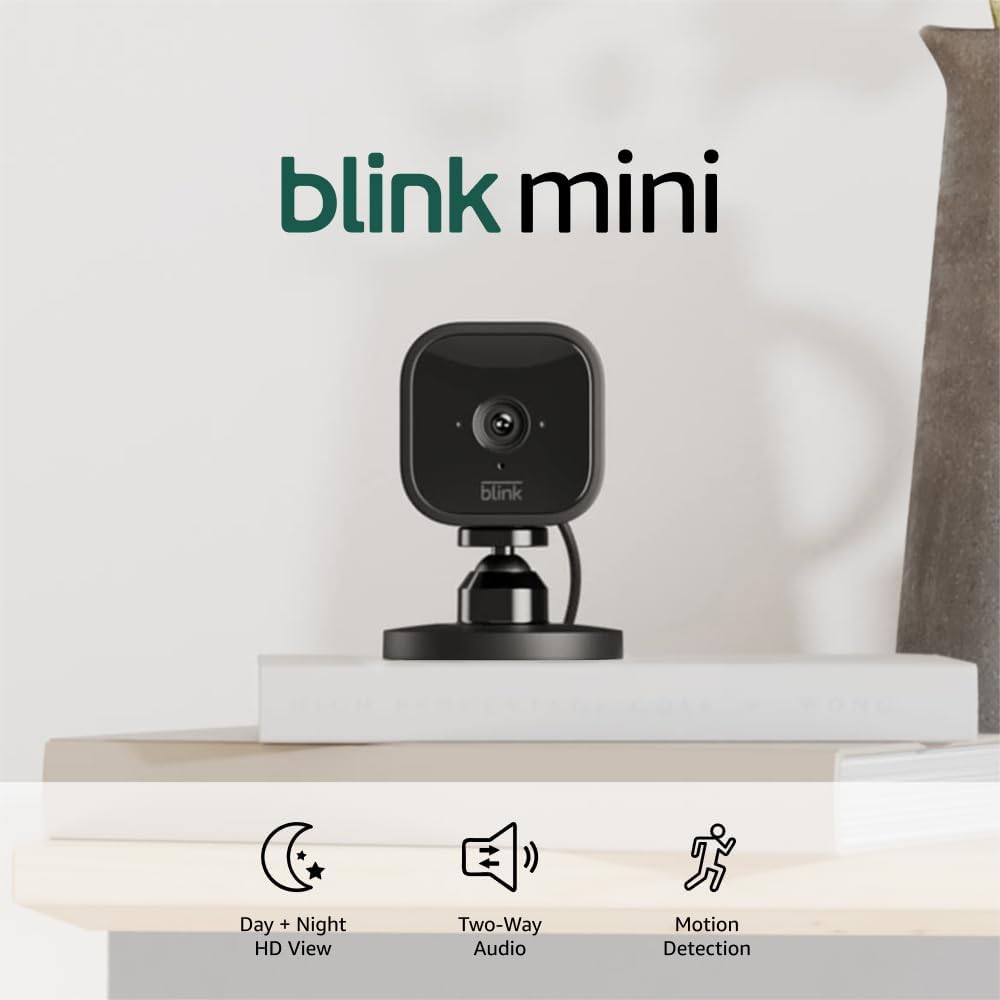
Blink Mini - Compact indoor plug-in smart security camera...
As an Amazon Associate we earn from qualifying purchases.