
Why Does My Ring Alarm Base Station Keep Going Offline?
- WiFi connection lost
- Power issue
- Z-Wave range problem
Problem Description
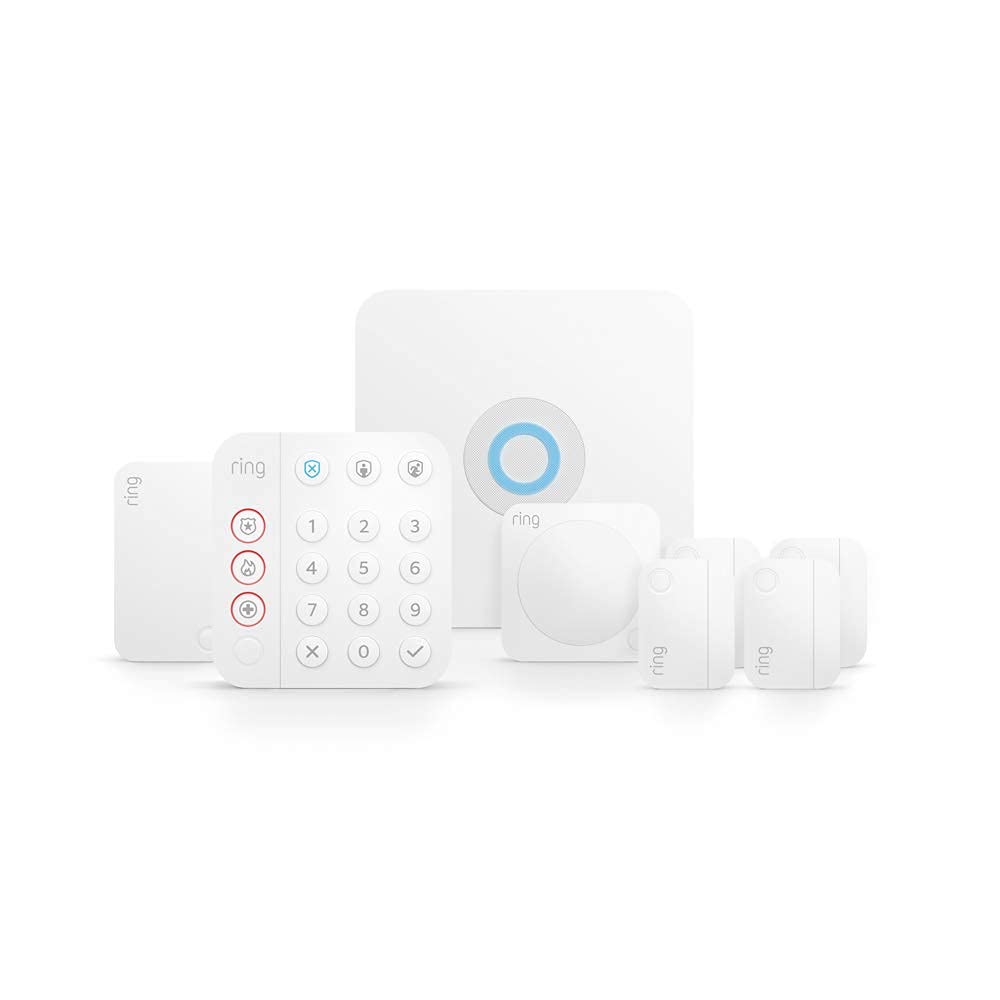
Your Ring Alarm base station keeps going offline. Check the base station LED and power connection — the LED on the front indicates status: solid blue = online, flashing blue = connecting, red = no internet. The base station connects to your router via Ethernet (port on the back) or WiFi. This guide covers power, internet connection, and cellular backup.
Why This Happens in Real Homes
This is the single most common Ring Alarm support call. The base station drops WiFi and your entire security system goes dark — no app control, no notifications, no professional monitoring unless you have cellular backup on the Pro plan. Nine times out of ten the base station lost its DHCP lease after a router reboot or IP conflict with another device. Ring base stations are also notoriously sensitive to WiFi channel congestion. If you have 20 smart home devices all on 2.4 GHz, the base station tends to lose the fight for bandwidth.
Symptoms
- Base Station offline in app
- Can't arm/disarm remotely
- Sensors show disconnected
- Cellular backup not working
- Red light on Base Station
Recognize these? Here's what usually causes it.
Common Causes
- WiFi connection lost
- Power issue
- Z-Wave range problem
- Cellular signal weak
- Base needs reboot
Most fixes happen in the first 3 steps.
During internet outages, Ring Alarm uses cellular backup for monitoring. Ensure your plan includes professional monitoring.
Tools & Requirements
Step-by-Step Solution
Check the base station LED and power
The Ring Alarm base station has an LED ring on the front. Solid green means online. Blinking white means it is connecting. Red or no light indicates a problem. Verify the power adapter is plugged in and the outlet is working. If the LED is completely off, try a different outlet. If it powers on but the LED stays red, the base station cannot reach Ring servers.
Check the internet connection
The Ring Alarm base station connects to your router via Ethernet or WiFi. If using Ethernet, verify the cable is firmly connected to both the base station and the router. Try a different cable and router port. If using WiFi, check that your router is online. If your internet is down, the base station goes offline, but it continues to function locally — it sounds the siren and monitors sensors, but cannot send notifications or contact monitoring.
Restart the base station
Unplug the base station power adapter, wait 30 seconds, and plug it back in. The base station takes 2-3 minutes to fully boot and reconnect. Watch the LED — it should cycle through white (booting) to green (connected). If it stays on blinking white for more than 5 minutes, the network connection is the issue.
Check cellular backup status
The Ring Alarm base station has a cellular backup that activates when internet is lost. If you have Ring Protect Plus, the base station connects via cellular to maintain monitoring. If cellular backup is not activating, the SIM card inside the base station may have failed or the cellular signal at the base station location may be too weak. Move the base station closer to an exterior wall if possible.
Factory reset if nothing else works
If the base station will not come back online after power cycling and verified internet, press and hold the reset pinhole button on the back for 10 seconds. This factory resets the base station — you will need to re-add it in the Ring app and re-pair all sensors and keypads. Your Ring account retains the device info, so re-pairing is simple but time-consuming with many sensors.
Quick Solutions
Still having issues? This is usually the deeper cause below.
This usually happens right after a router reboot or ISP change — the device rejoins the network but drops its cloud session silently.
Ring Alarm uses Z-Wave for sensors, not WiFi. Sensor offline issues are usually Z-Wave range, not WiFi related.
Most WiFi drop-offs happen right after a router reboot or ISP swap — the device reconnects to the network but silently loses its cloud registration.
- WiFi connection lost
- Power issue
- Z-Wave range problem
- Cellular signal weak
- Base needs reboot
Before you go — try one of these (they fix most cases).
Most popular upgrades chosen by Ring Alarm owners.

Ring Alarm 5-Piece Kit with Ring Indoor Cam 2nd Gen

Ring Alarm 8-piece kit (2nd Gen) - home security system w...
As an Amazon Associate we earn from qualifying purchases.
Official Manufacturer Manual
If you need the complete manufacturer documentation for advanced setup, wiring diagrams, or detailed specifications, you can download the official manual below. The manual includes full technical instructions directly from the manufacturer and may help if your issue requires deeper troubleshooting.
Download the Official Ring Alarm ManualSource: ring.com
Need More Help? Ring Support
Note: The contact information below connects you directly to Ring's official customer support team, not Trunetto. They can help with warranty claims, device replacements, and advanced technical issues.
How Does Ring Compare?
Before replacing your Ring device, see how it stacks up against alternatives in our full comparison guides.
Accessories owners commonly pair with Ring Alarm.

Ring Rechargeable Quick Release Battery Pack

Ring Floodlight Cam Plus with Plug-In Mount - Plug-in pow...

Ring Alarm Contact Sensor - 2nd Gen | Instant Window & Do...
As an Amazon Associate we earn from qualifying purchases.