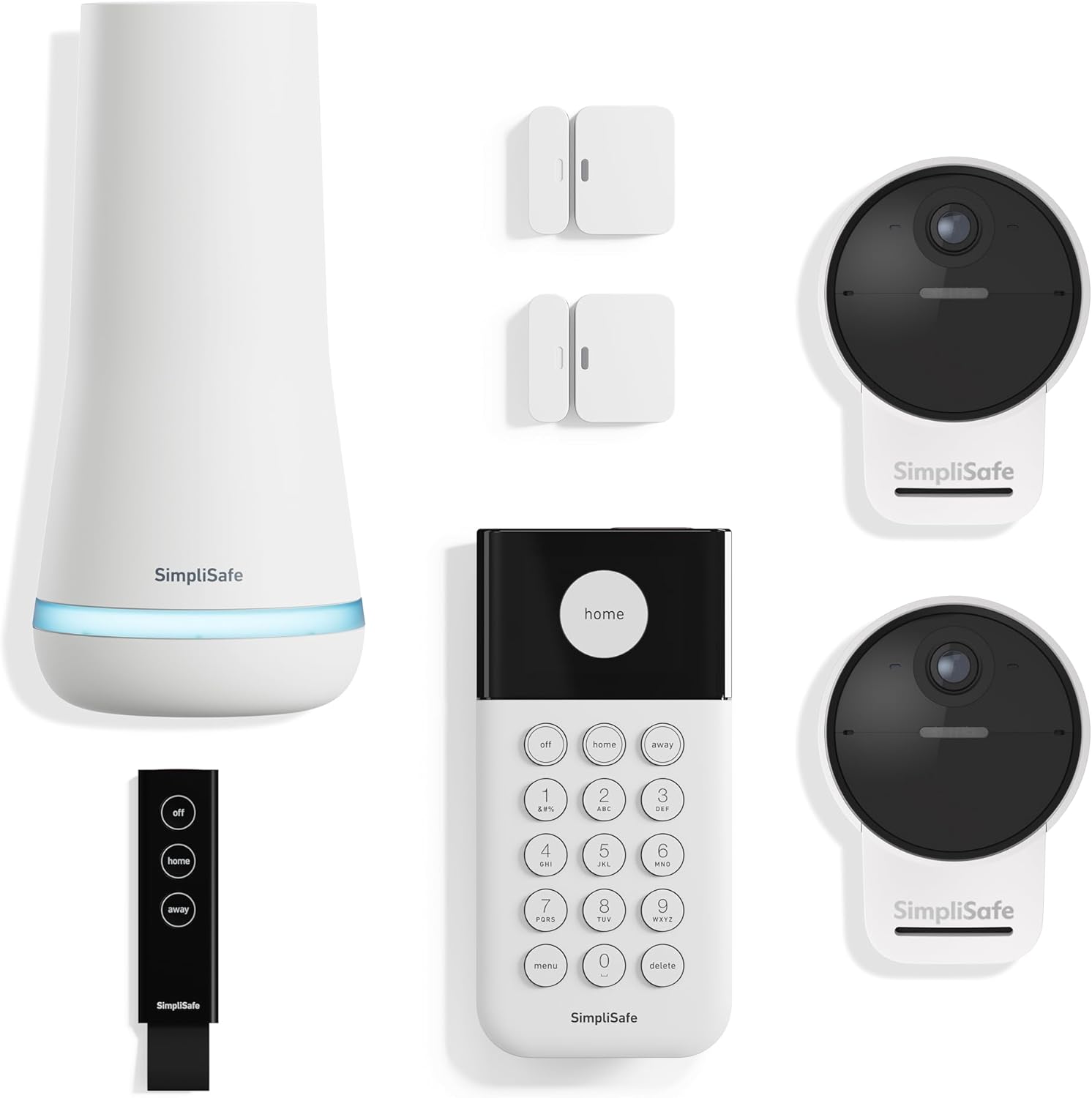

What Does 'Wireless Interference Detected' Mean on SimpliSafe and How Do I Fix It?
- Baby monitor operating on 433 MHz frequency near the base station
- Wireless weather station transmitting sensor data on the same frequency
- Neighbor's wireless security system or garage door opener on 433 MHz
Problem Description
Your SimpliSafe system is displaying a Wireless Interference Detected warning on the base station or in the SimpliSafe app. This message means the SimpliSafe base station detected radio frequency interference on the wireless frequency it uses to communicate with its sensors. SimpliSafe sensors communicate with the base station over a proprietary wireless signal around 433 MHz. When another device broadcasts on or near this frequency it can disrupt the communication between your sensors and the base station. This is a serious security concern because if interference blocks sensor signals your alarm system may not detect an intrusion. The interference can come from baby monitors, wireless weather stations, car key fobs, garage door openers, ham radios, or even a neighbor's wireless security system operating on the same frequency.
Why This Happens in Real Homes
Wireless weather stations are the number one cause of SimpliSafe interference warnings — many popular models from AcuRite, La Crosse, and Ambient Weather transmit on 433MHz. Moving the weather station display to a different room usually fixes it. Neighbors wireless systems are the second most common cause, but there is nothing you can do about those except move the base station further from the shared wall. Intermittent warnings from car key fobs and wireless doorbells are harmless and can be safely ignored.
Symptoms
- SimpliSafe base station displays Wireless Interference Detected
- SimpliSafe app shows interference warning notification
- Sensors intermittently show offline then come back
- Alarm triggered but specific sensor data was not received by base station
- Warning appears at the same time every day suggesting a recurring source
- Multiple sensors show communication issues simultaneously
Recognize these? Here's what usually causes it.
Common Causes
- Baby monitor operating on 433 MHz frequency near the base station
- Wireless weather station transmitting sensor data on the same frequency
- Neighbor's wireless security system or garage door opener on 433 MHz
- New electronic device recently added to home broadcasting RF interference
- Cordless phone base station operating near the 433 MHz band
- Ham radio or CB radio operator nearby transmitting on overlapping frequencies
Most fixes happen in the first 3 steps.
Do not ignore a constant wireless interference warning. If interference is strong enough, sensors may not be able to communicate with the base station at all, meaning entry sensors, motion detectors, and glass break sensors could fail to trigger an alarm. Test your sensors (open each protected door and verify the base station responds) whenever you see a persistent interference warning.
Step-by-Step Solution
Understand what wireless interference means on SimpliSafe
SimpliSafe sensors communicate with the base station using a proprietary 433MHz radio frequency. When the base station displays Wireless Interference Detected, it means something nearby is broadcasting on or near 433MHz and drowning out the sensor signals. This is similar to someone shouting over a conversation. The system may still work, but sensor signals can be delayed or missed.
Identify common 433MHz interference sources
The most common sources of 433MHz interference are: other wireless security systems (older models from other brands), wireless weather stations, car key fobs with long-range extenders, baby monitors, wireless doorbells, and some garage door openers. If you recently installed any new wireless device, that is likely the culprit. Also check if a neighbor installed a new wireless system — 433MHz signals pass through walls easily.
Move the base station away from interference sources
Move the SimpliSafe base station at least 10 feet from any wireless devices, routers, and electronics. Do not place it next to a WiFi router, microwave, cordless phone base, or wireless weather station display. Putting the base station on a shelf in a central hallway, away from electronics clusters, often fixes the interference warning immediately.
Check if the interference is intermittent or constant
If the warning appears briefly and disappears, the source is intermittent — like a neighbor pressing a wireless doorbell or a car key fob being used nearby. This is usually harmless and the system recovers on its own. If the warning is constant, the interference source is continuous and you need to find and move it. Check the SimpliSafe event log in the app to see when the interference started — correlate it with any new devices you installed around that time.
Do a process of elimination
Turn off or unplug wireless devices one at a time and check if the interference warning clears after each one. Start with the most likely culprits: wireless weather stations, baby monitors, and wireless doorbells. If unplugging a device clears the warning, that is your interference source. Either move it further from the base station or replace it with a device that uses a different frequency.
Check the base station placement relative to metal and electronics
Large metal objects (refrigerators, filing cabinets, metal shelves) can reflect 433MHz signals and create interference patterns. If the base station is near a metal surface, move it to a location with clear air around it. Also check if the base station is inside a metal cabinet, entertainment center, or closet with metal shelving — the metal enclosure can trap and amplify stray radio signals.
Contact SimpliSafe if interference persists
If you cannot identify the interference source and the warning is constant, contact SimpliSafe support. They can remotely check your base station diagnostics and determine the strength and pattern of the interference. In rare cases, the base station radio receiver itself can malfunction and report false interference warnings — SimpliSafe can diagnose this remotely and send a replacement if needed.
Quick Solutions
Still having issues? This is usually the deeper cause below.
If the sensor still misses events after repositioning, check whether a scheduled 'home' or 'away' mode is overriding the sensitivity setting silently.
The interference warning does not mean your system is unprotected — it means signals may be delayed or occasionally missed. The system is still armed and sensors still report, but response time may be slower. If you get occasional brief interference warnings and your sensors still test fine (open a door and check that the base station beeps), the system is working normally and the intermittent interference is not a concern.
This issue almost always looks more complex than it is — the majority of cases trace back to a single setting, a stale credential, or a default that shipped wrong.
- Baby monitor operating on 433 MHz frequency near the
- Wireless weather station transmitting sensor data on the same
- Neighbor's wireless security system or garage door opener on
- New electronic device recently added to home broadcasting RF
- Cordless phone base station operating near the 433 MHz
Before you go — try one of these (they fix most cases).
Most popular upgrades chosen by SimpliSafe Base Station owners.

SimpliSafe Wireless Keypad - Touch-to-Wake Technology - C...

SimpliSafe Wireless Outdoor Security Camera (Renewed)
SimpliSafe Entry Sensor - Window and Door Protection - Co...
As an Amazon Associate we earn from qualifying purchases.
Official Manufacturer Manual
If you need the complete manufacturer documentation for advanced setup, wiring diagrams, or detailed specifications, you can download the official manual below. The manual includes full technical instructions directly from the manufacturer and may help if your issue requires deeper troubleshooting.
Download the Official SimpliSafe Base Station ManualSource: simplisafe.com
Need More Help? SimpliSafe Support
Note: The contact information below connects you directly to SimpliSafe's official customer support team, not Trunetto. They can help with warranty claims, device replacements, and advanced technical issues.
How Does SimpliSafe Compare?
Before replacing your SimpliSafe device, see how it stacks up against alternatives in our full comparison guides.
Accessories owners commonly pair with SimpliSafe Base Station.

Blink Mini - Compact indoor plug-in smart security camera...
Blink Mini - Compact indoor plug-in smart security camera...
Blink Mini - Compact indoor plug-in smart security camera...
As an Amazon Associate we earn from qualifying purchases.
Guide Improvements
- Updated June 16, 2026
Explained 433MHz frequency conflicts, identified common interference sources (weather stations, doorbells), and added elimination process.
What changed:- Explained 433MHz radio frequency and interference sources
- Identified weather stations as #1 interference cause
- Added systematic elimination process
- Added base station placement away from electronics
- Added real-world context about intermittent vs constant interference
Source: Trunetto editorial update