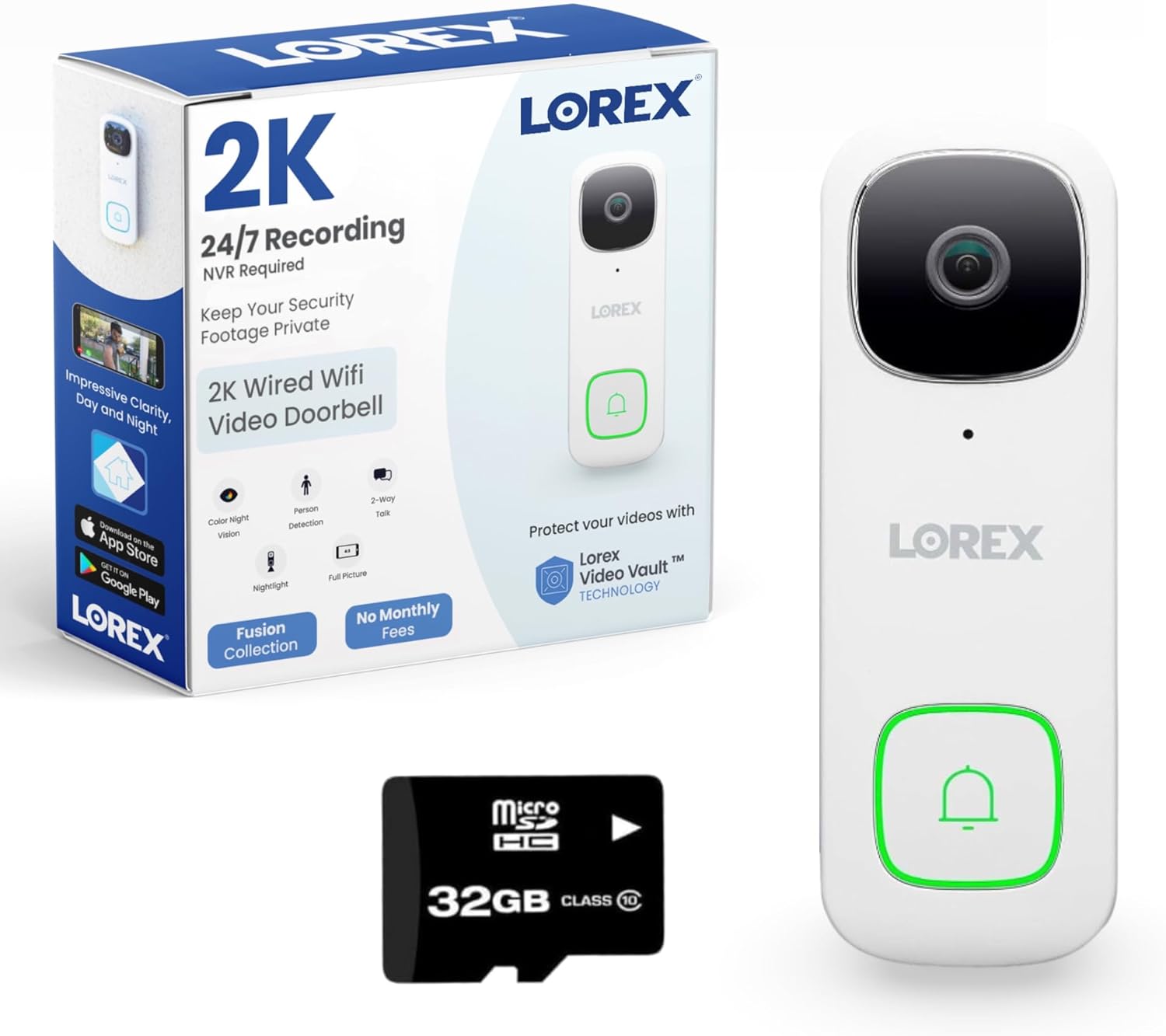

Why Is My Lorex Camera Showing No Video Signal?
- Ethernet/coax cable loose or not fully seated
- Camera not getting power (PoE port or adapter)
- Channel disabled on the NVR/DVR
Problem Description
Your Lorex Security Camera is having video quality, recording, or streaming issues. The Security Camera may show blurry footage, fail to record events, or have difficulty streaming a live feed, which compromises your ability to monitor your home. Specifically, the issue involves camera system no video signal or picture. The steps below walk you through diagnosing the root cause and applying proven fixes so your Security Camera works reliably again.
Why This Happens in Real Homes
'No video signal' or a 'Video Loss' message on a Lorex system is almost always a physical connection or power problem on that specific camera's cable run, not a fault in the NVR or the app. The fastest way to narrow it down is to swap: move the suspect camera to a port or cable you know works. If the camera then displays, the original cable or port is the culprit; if it stays black anywhere, the camera itself has likely failed. That one test separates the three most common causes - bad cable, bad port, bad camera - in a couple of minutes.
For wired systems, the usual offenders are a cable that isn't fully seated (or was nicked during installation), a camera not receiving power, and a channel that got disabled in the NVR/DVR settings. On PoE IP systems, also check that the NVR's PoE port is delivering power and that you haven't exceeded its power budget with too many cameras, and resolve any IP address conflict, which can cause a camera to flicker in and out. Outdoor connectors are a frequent hidden cause: water working into an unsealed RJ45 or BNC joint corrodes it and drops the signal, so drying and re-sealing a weatherproof connection fixes many 'was working, now isn't' cases.
Symptoms
- Video Loss message on a channel
- Black screen with no image
- Camera was working, now isn't
- Some cameras work, others don't
- Fuzzy or static image
- Channel briefly shows then goes black
- No signal on a specific port
- All channels lost at once
Recognize these? Here's what usually causes it.
Common Causes
- Ethernet/coax cable loose or not fully seated
- Camera not getting power (PoE port or adapter)
- Channel disabled on the NVR/DVR
- Cable damaged or run too long
- Camera hardware failure
- Bad/insufficient PoE port on the NVR
- IP conflict (IP cameras)
- Water ingress at the cable connector
Most fixes happen in the first 3 steps.
When working with PoE systems, a failing PoE port can damage cameras. If multiple cameras die, check your PoE switch.
Tools & Requirements
These tools will help you complete this fix.

Clean microfiber cloth
MR.SIGA Microfiber Cleaning Cloth,Pack of 12,Size:12...
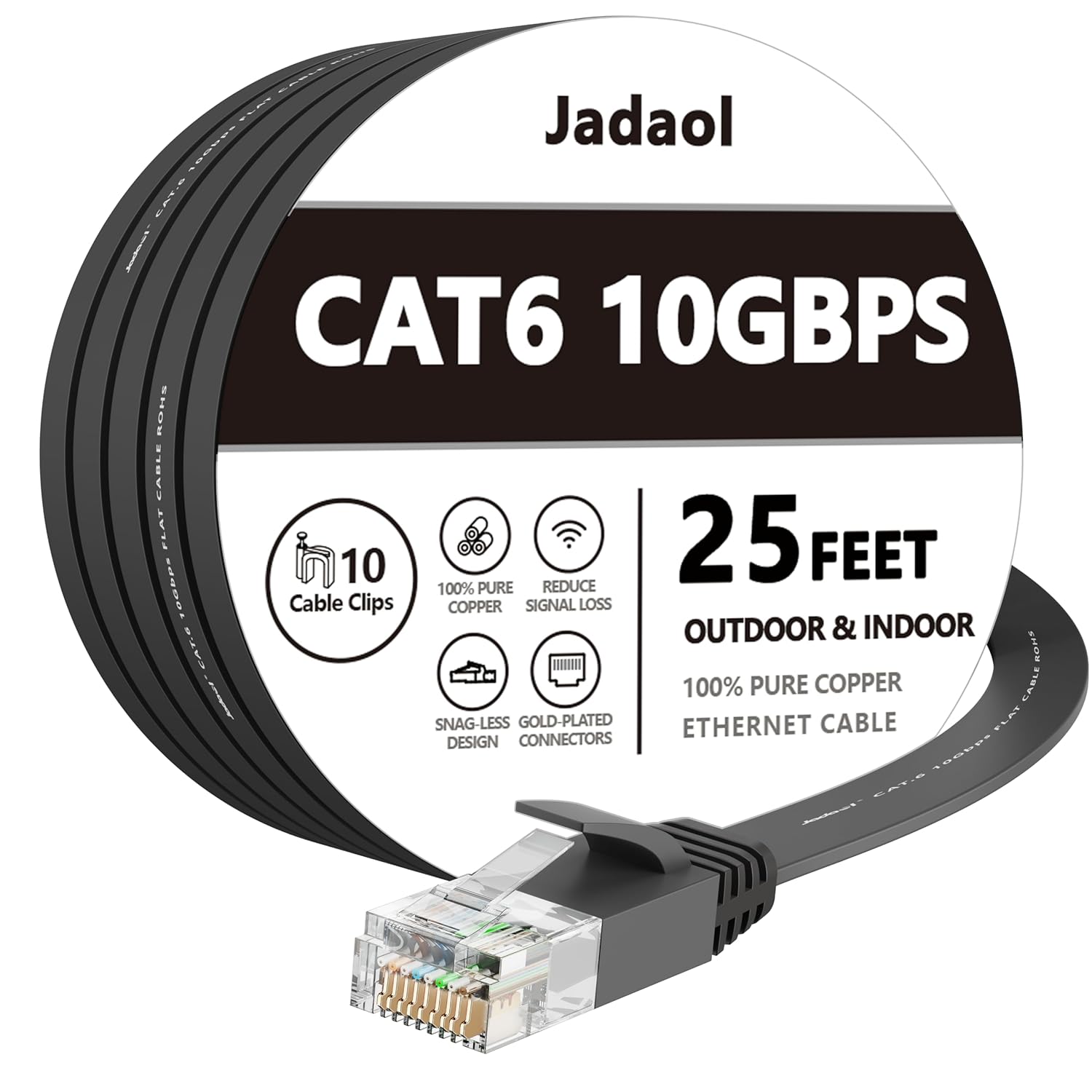
Ethernet cable
Jadaol Cat 6 Ethernet Cable 25 ft, 10Gbps Support Ca...

Level
9 Inch Torpedo Level Magnetic, Shock-Proof Small Lev...

Power adapter
JcBlaon Outlet Extender Surge Protector - 6 Outlet S...

Replacement batteries
Duracell Coppertop Double AA Batteries with Power Bo...
As an Amazon Associate we earn from qualifying purchases.
Step-by-Step Solution
Determine the camera type — IP or analog
Lorex sells both IP cameras (connected via Ethernet to NVR) and analog/HD-over-coax cameras (connected via BNC coaxial cable to DVR). The troubleshooting is different. IP cameras: check Ethernet cables and PoE. Analog cameras: check BNC coaxial cables and power adapters. Check your recorder — NVR for IP cameras, DVR for analog cameras. Do not mix them — an IP camera cannot connect to a DVR, and an analog camera cannot connect to an NVR.
Needed for this step
Jadaol Cat 6 Ethernet Cable 25 ft, 10Gbps Suppo...
This helps complete the fix you are currently reading.
$9.99Check cables and power for analog cameras
Analog Lorex cameras need two connections: a BNC coaxial cable for video and a DC power adapter (12V typically). If the video signal is missing: check the BNC connection at both the camera and DVR — push and twist to lock. Check the power adapter — make sure it is plugged in and the power LED on the camera is lit. If using an extension cable, check the connection point — BNC extensions can loosen over time. Try connecting the camera directly to the DVR with a short cable to rule out cable issues.
Needed for this step
JcBlaon Outlet Extender Surge Protector - 6 Out...
This helps complete the fix you are currently reading.
$9.99Test with a known working camera or cable
Swap the suspected camera with one that is working. If the new camera works on the same cable and port, the original camera is faulty. If the new camera also shows no video, the cable or DVR/NVR port is the problem. This swap test isolates the failing component. Also try the suspected camera on a different port/cable — if it works elsewhere, the original port or cable is bad.
Check the DVR or NVR video output
If no cameras show video (all channels blank): the issue may be the recorder or monitor connection, not the cameras. Check the HDMI cable between the NVR/DVR and your monitor. Try a different HDMI cable or different monitor. Right-click the screen and check if the NVR is on the correct channel view (some NVRs boot to a single channel — switch to multi-channel grid view). If the NVR display menu works but channels are blank, the issue is camera-side.
Power cycle the NVR/DVR and cameras
Shut down the NVR/DVR (Main Menu > System > Shutdown). Unplug it from power. Wait 30 seconds. Plug it back in and let it boot completely (2-3 minutes). The NVR re-initializes all PoE ports and re-discovers cameras. For analog cameras, unplug the camera power adapter for 10 seconds and plug back in. Power cycling resolves many transient no-video issues caused by firmware glitches or network stack errors.
Quick Solutions
Still having issues? This is usually the deeper cause below.
Camera issues that start suddenly almost always trace back to an upload bandwidth drop — run a speed test before assuming hardware failure.
For troubleshooting, label your cables at both ends. It makes identifying which camera goes to which channel much easier.
Live view problems that start suddenly usually trace back to an upload speed drop — the camera itself is fine, the bandwidth path to the cloud isn't.
- Ethernet/coax cable loose or not fully seated
- Camera not getting power (PoE port or adapter)
- Channel disabled on the NVR/DVR
- Cable damaged or run too long
- Camera hardware failure
Before you go — try one of these (they fix most cases).
Most popular upgrades chosen by Lorex Security Camera owners.

Lorex Indoor/Outdoor 4K Ultra HD Smart Deterrence CVI Wir...

Lorex Outdoor 4K IP Add-On Metal Bullet Security Camera |...

Lorex Outdoor 4K IP Add-On Metal Dome Security Camera | N...
As an Amazon Associate we earn from qualifying purchases.
Official Manufacturer Manual
Lorex provides official product documentation through their online manual rather than downloadable PDF. Access setup guides, troubleshooting steps, and product specifications for your Lorex Security Camera.
Source: lorex.com
Need More Help? Lorex Support
Note: The contact information below connects you directly to Lorex's official customer support team, not Trunetto. They can help with warranty claims, device replacements, and advanced technical issues.