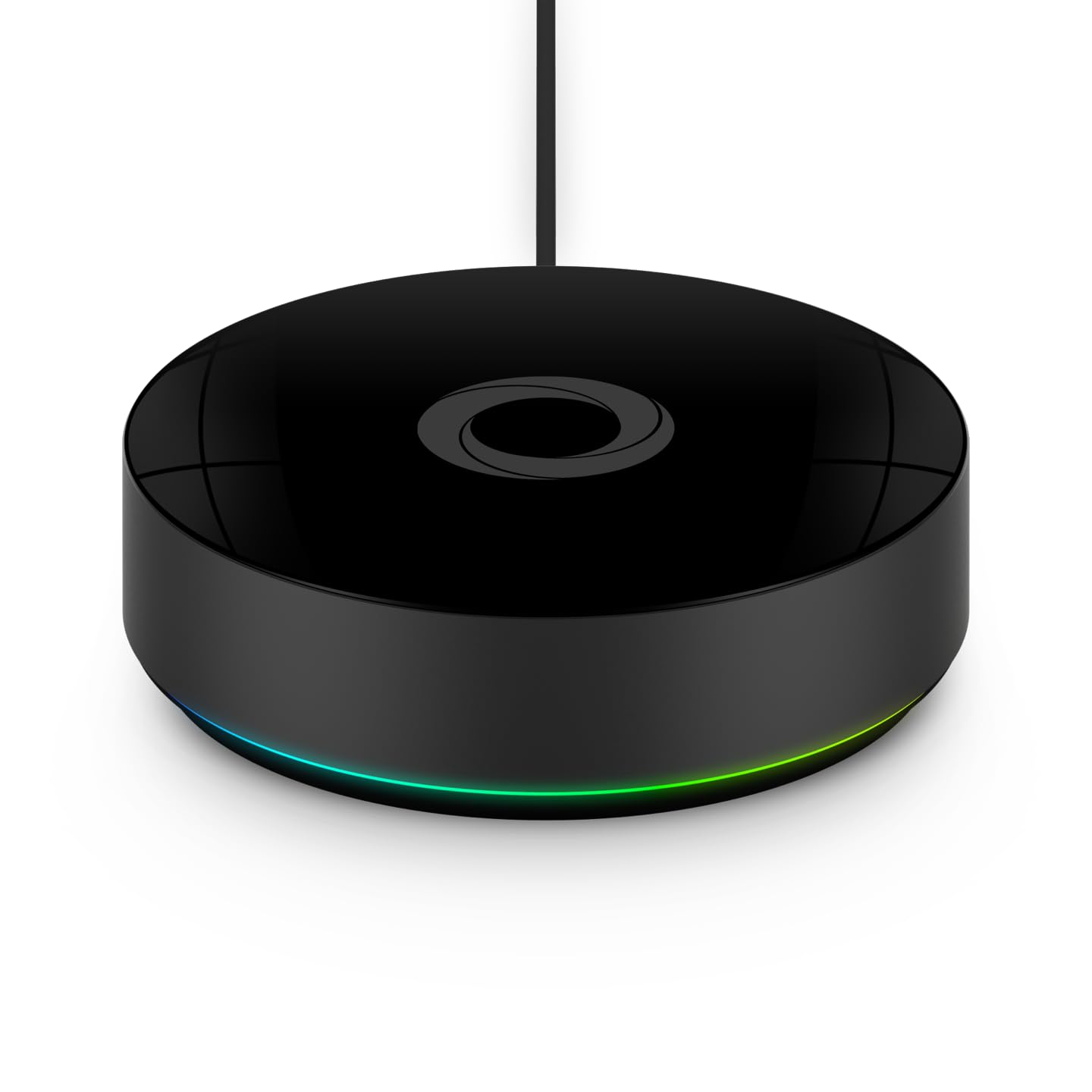

Why Can't My SmartThings Hub Find Devices?
- Device not in pairing/inclusion mode
- Device out of range of the hub or any repeater
- Device still joined to a previous hub/network
Problem Description
Your SmartThings hub can't find devices when you try to add them - the Add Device scan runs but discovers nothing, or a device is found and then fails to finish onboarding. SmartThings devices come in several protocols (Zigbee, Z-Wave, WiFi, Matter), and 'can't find devices' usually means the device isn't in pairing mode, is out of range, is still tied to a previous network, or needs the right driver. This guide covers getting the hub and device to complete pairing.
Why This Happens in Real Homes
When a SmartThings hub 'can't find devices,' the problem is almost never the hub failing to scan - it's a mismatch between how you're adding and how the device actually pairs. Each protocol behaves differently: Zigbee and WiFi devices need a factory reset into pairing mode, Z-Wave devices need the hub in inclusion mode (and exclusion first if they were paired before), and Matter devices need their setup code. Start by confirming the device is genuinely in pairing mode and that you're using the matching add flow, then pair it close to the hub, since inclusion and Zigbee joining both want a strong signal.
The other recurring causes are prior ownership and drivers. A device still associated with a previous hub or network won't onboard until it's reset or excluded, and a device with no matching Edge driver may not be recognized properly even when it's in range and in pairing mode - allowing or installing the right driver fixes that. A ghost node or stale entry from a failed attempt can also block the next one, so clear those in the hub's utilities. If the hub is unresponsive during Add Device, make sure it's online and restart it by unplugging for about 60 seconds; a fresh hub with current firmware pairs far more reliably.
Symptoms
- Add Device scan finds nothing
- Device is discovered then fails to finish adding
- Only devices right next to the hub are found
- A device that worked before won't re-add
- Pairing hangs at the connecting step
- Device adds as a generic/unknown type
- Some protocols pair while others don't
- Hub seems unresponsive during Add Device
Recognize these? Here's what usually causes it.
Common Causes
- Device not in pairing/inclusion mode
- Device out of range of the hub or any repeater
- Device still joined to a previous hub/network
- No matching Edge driver for the device model
- Wrong add flow for the device's protocol
- Ghost node or stale entry blocking a clean add
- Hub firmware out of date
- Hub itself offline or needing a restart
Most fixes happen in the first 3 steps.
Do not factory reset your hub unless absolutely necessary as this removes all paired devices, automations, and settings. You will need to re-pair every single device from scratch which can take hours for a large setup. Always try a simple restart first.
Tools & Requirements
These tools will help you complete this fix.
As an Amazon Associate we earn from qualifying purchases.
Step-by-Step Solution
Open the SmartThings app and start pairing
Tap the + icon in the SmartThings app and select Add Device. You can search for the specific device by brand and model, or tap Scan Nearby to let the hub discover devices in pairing mode. Searching by brand is more reliable because it loads the correct device handler and pairing instructions specific to that product.
Put the device in pairing mode
Each device has a different method to enter pairing mode. For SmartThings-branded sensors: remove and reinsert the battery. For Z-Wave switches: press the paddle or button rapidly 3-6 times. For Zigbee bulbs: turn the bulb off and on 5 times quickly. For WiFi devices: hold the reset button until the LED blinks. The SmartThings app usually shows device-specific instructions after you select the device type. The device must be in active pairing mode before the hub can discover it.
Position the device correctly during pairing
For Zigbee and Z-Wave devices, bring them within 10 feet of the hub. For battery devices (sensors, buttons), this is easy — just carry them near the hub. For wired devices installed in the wall, you may need to temporarily bring the hub closer (if using a portable hub like the SmartThings Station). WiFi devices must be on the same 2.4GHz network as the hub. Matter devices need a QR code scan — hold your phone camera steady over the QR code printed on the device or its box.
Complete the pairing in the app
When the hub discovers the device, the app shows a confirmation screen. Name the device and assign it to a room. For some devices, the app runs a configuration step (setting reporting intervals, calibrating sensors). Do not skip this — it ensures the device reports data correctly. After pairing completes, the device appears in the hub list. Tap it to verify it shows the correct status (online, current sensor reading, etc.).
Fix if the device is not found
If the hub does not find the device after 60 seconds, check that the device is actually in pairing mode (LED blinking). Try again with the device closer to the hub. If it is a Z-Wave device, run Z-Wave Exclusion first (Hub Settings > Z-Wave Utilities > Exclusion), then retry inclusion. If it is a Zigbee device, factory reset it and retry. Check if the device is compatible with SmartThings — not all smart home devices work with SmartThings. Check the SmartThings compatible devices list on the Samsung website.
Quick Solutions
Still having issues? This is usually the deeper cause below.
If the hub reconnects then drops every few minutes, check for an IP conflict — two devices sharing the same DHCP address fight each other continuously.
Place your hub in a central location in your home, elevated off the floor and away from your WiFi router by at least 3 feet. This provides the best Zigbee and Z-Wave signal coverage to all corners of your house.
Hub disconnections that cycle repeatedly are almost always IP conflicts — two devices fighting over the same DHCP lease after a router restart.
- Device not in pairing/inclusion mode
- Device out of range of the hub or any
- Device still joined to a previous hub/network
- No matching Edge driver for the device model
- Wrong add flow for the device's protocol
Before you go — try one of these (they fix most cases).
Official Manufacturer Manual
Samsung SmartThings provides official product documentation through their online manual rather than downloadable PDF. Access setup guides, troubleshooting steps, and product specifications for your SmartThings Hub.
Source: samsung.com
Need More Help? Samsung SmartThings Support
Note: The contact information below connects you directly to Samsung SmartThings's official customer support team, not Trunetto. They can help with warranty claims, device replacements, and advanced technical issues.