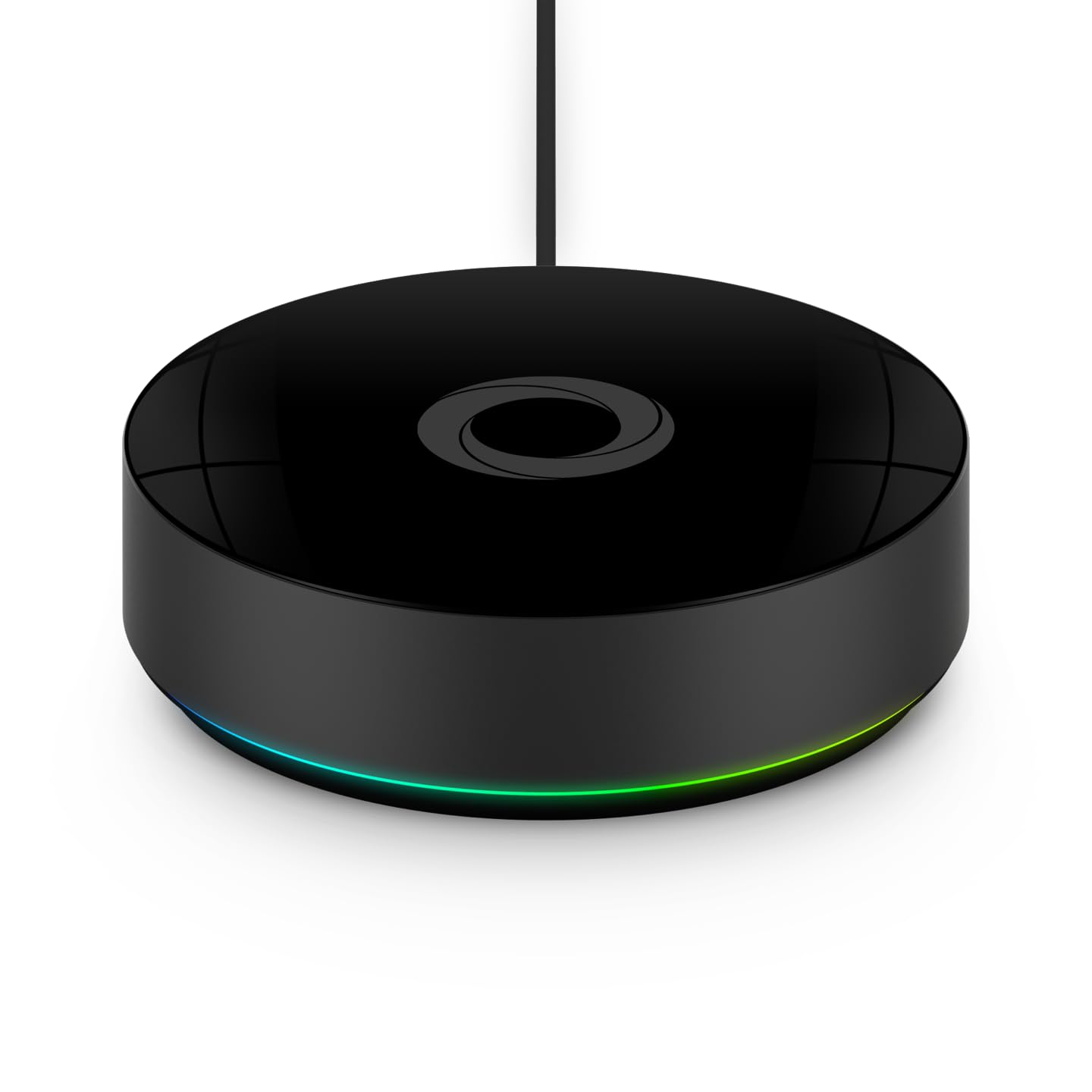
Why Does My SmartThings Hub Keep Going Offline?
- Router DHCP lease expiring and not renewing the hub IP address
- DNS resolution failure — hub cannot reach SmartThings cloud servers
- Ethernet cable partially unseated or damaged causing intermittent drops
Problem Description
Your Samsung SmartThings Hub keeps going offline or disconnecting from the SmartThings cloud. The hub LED turns solid red or flashes amber, all connected devices show as unavailable in the app, and automations stop working. This affects Hub V2 (square white box with ethernet) and Hub V3 (smaller square with WiFi+ethernet). The hub relies on a constant internet connection to the SmartThings cloud — even local automations require cloud sync for initial configuration. A hub that repeatedly goes offline usually traces to a network issue, DNS failure, or Samsung cloud outage rather than a hardware fault.
Why This Happens in Real Homes
SmartThings hub offline issues increased significantly after Samsung migrated from the Groovy platform to Edge drivers in 2023. Some users report that their V2 hubs became less stable after the migration due to increased memory usage from running Edge drivers locally. If your V2 hub has more than 100 devices and struggles to stay online, the hardware may not have enough memory for the Edge architecture — upgrading to V3 or Station is the practical fix.
Symptoms
- SmartThings Hub LED is solid red or flashing amber
- All devices show Offline or Unavailable in the SmartThings app
- Hub status shows Disconnected in app settings
- Automations and routines stop executing
- Hub goes offline at the same time every day or after a few hours
- Hub reconnects after power cycle but goes offline again within hours
- SmartThings app says Hub is updating but it never finishes
- Z-Wave and Zigbee devices work locally but cloud commands fail
Recognize these? Here's what usually causes it.
Common Causes
- Router DHCP lease expiring and not renewing the hub IP address
- DNS resolution failure — hub cannot reach SmartThings cloud servers
- Ethernet cable partially unseated or damaged causing intermittent drops
- Router firmware update changed firewall rules blocking outbound traffic
- Samsung SmartThings cloud outage (check status.smartthings.com)
- Hub V2 internal battery swollen or dead causing boot loops
- Too many connected devices overloading hub memory (V2 limit ~200, V3 ~300)
- Hub and router on same power strip causing simultaneous power cycle loops
Most fixes happen in the first 3 steps.
Do not factory reset the hub unless you have exhausted all other options. A factory reset deletes all paired device records, automations, and scenes. You will need to individually re-pair every Z-Wave and Zigbee device, which can take hours for a large setup. Before resetting, screenshot your automations and device list so you can rebuild them.
Tools & Requirements
Step-by-Step Solution
Check the hub LED color and cloud status
Look at the LED on the front of your SmartThings Hub. A solid green LED means the hub is connected and healthy. Solid blue means it is booting. Solid red or flashing red means the hub has lost its cloud connection. Flashing green means it is updating firmware. Before doing anything else, open status.smartthings.com on your phone or computer and check for active outages — Samsung cloud issues cause hub disconnections that no local fix can resolve. If there is an outage, wait it out. The hub will reconnect automatically when the cloud recovers.
Power cycle the hub and check ethernet connection
Unplug the hub power cable from the wall (not just from the hub). If you have a Hub V2, also remove the internal backup batteries from the battery compartment on the back — 4 AA batteries. Wait a full 2 minutes. While the hub is off, unplug and replug the ethernet cable at both ends: the hub port and the router port. Check for bent pins or a cracked clip on the cable. Plug the power cable back in and wait 3-5 minutes. The LED will cycle blue during boot, then settle to green when connected. For Hub V3 on WiFi instead of ethernet, skip the cable check — but WiFi hubs are more prone to disconnection, so consider switching to ethernet if possible.
Assign a static IP or DHCP reservation to the hub
Many recurring offline issues happen because the router DHCP lease expires and the hub fails to renew its IP address cleanly. Log into your router admin panel (usually 192.168.1.1 or 192.168.0.1). Find the DHCP reservation or static lease section. Locate the SmartThings Hub by its MAC address — you can find this on the sticker on the bottom of the hub or in the SmartThings app under Hub settings. Assign it a fixed IP like 192.168.1.50. Save and reboot the router. The hub will pick up the reserved IP on its next connection.
Fix DNS resolution issues
SmartThings hubs need to resolve Samsung cloud hostnames to connect. If your ISP DNS is slow or unreliable, the hub times out and shows offline. In your router settings, change the DNS servers to Google (8.8.8.8, 8.8.4.4) or Cloudflare (1.1.1.1, 1.0.0.1). This affects all devices on the network. After changing DNS, power cycle the hub to force it to use the new DNS servers. This single fix resolves a large percentage of mysterious hub offline issues.
Remove swollen backup battery from Hub V2
Hub V2 has a compartment on the back for 4 AA backup batteries. Over time — especially after 2-3 years — these batteries swell and can cause the hub to enter a boot loop where it repeatedly restarts without fully connecting. Remove all 4 batteries. The hub works fine on wall power alone without backup batteries. If the batteries are visibly swollen or have leaked, dispose of them safely. After removing them, power cycle the hub and it should boot cleanly. This issue does not affect Hub V3 or SmartThings Station — they have no internal battery.
Check router firewall and port settings
SmartThings Hub requires outbound access on ports 443 (HTTPS) and 39500 (local LAN communication). Some routers block outbound traffic after a firmware update or if parental controls are enabled. Log into your router and check the firewall settings. Make sure the hub IP address is not on any block list. Disable any bandwidth throttling or QoS rules that might affect the hub. If you recently changed your router or ISP, the hub may need to be re-paired to the new network. For mesh routers (Eero, Google WiFi, Orbi), make sure the hub is connected to the primary node, not a satellite.
Factory reset the hub if nothing else works
If the hub will not stay online after all the above steps, a factory reset may be needed. WARNING: this removes all paired devices and automations — you will need to re-pair every device and rebuild all routines. On Hub V2, press and hold the reset button on the back with a paperclip for 15 seconds until the LED flashes yellow. On Hub V3, use a pin in the reset hole on the bottom. The hub will reboot into setup mode. Open the SmartThings app and follow the Add Hub process to set it up as new. Then re-pair devices one at a time, starting with devices closest to the hub.
Quick Solutions
Still having issues? This is usually the deeper cause below.
This usually happens right after a router reboot or ISP change — the device rejoins the network but drops its cloud session silently.
If your hub goes offline at the same time daily, check if your router is set to reboot on a schedule. Some ISP-provided routers reboot at night for updates, and the hub may not reconnect cleanly. Put the hub on a UPS if power outages are frequent in your area — even momentary brown-outs can trigger a hub reboot cycle. Hub V3 generally handles reconnection better than V2 due to faster hardware.
Most WiFi drop-offs happen right after a router reboot or ISP swap — the device reconnects to the network but silently loses its cloud registration.
- Router DHCP lease expiring and not renewing the hub
- DNS resolution failure — hub cannot reach SmartThings cloud
- Ethernet cable partially unseated or damaged causing intermittent drops
- Router firmware update changed firewall rules blocking outbound traffic
- Samsung SmartThings cloud outage (check status.smartthings.com)
Before you go — try one of these (they fix most cases).
Official Manufacturer Manual
Samsung SmartThings provides official product documentation through their online manual rather than downloadable PDF. Access setup guides, troubleshooting steps, and product specifications for your Samsung SmartThings Hub.
Source: samsung.com
Need More Help? Samsung SmartThings Support
Note: The contact information below connects you directly to Samsung SmartThings's official customer support team, not Trunetto. They can help with warranty claims, device replacements, and advanced technical issues.
Accessories owners commonly pair with Samsung SmartThings Hub.

Amazon Smart Plug, Works with Alexa, Simple Setup, Endles...

TP-Link WiFi Extender with Ethernet Port, Dual Band 5GHz/...

Kasa Smart Plug, Matter Compatible, Energy Monitoring, Co...
As an Amazon Associate we earn from qualifying purchases.
Guide Improvements
- Updated June 18, 2026
Complete rewrite with SmartThings Hub connectivity-specific content including static IP configuration, DNS fixes, Hub V2 battery swelling, and firewall diagnostics
Source: SEO cannibalization fix