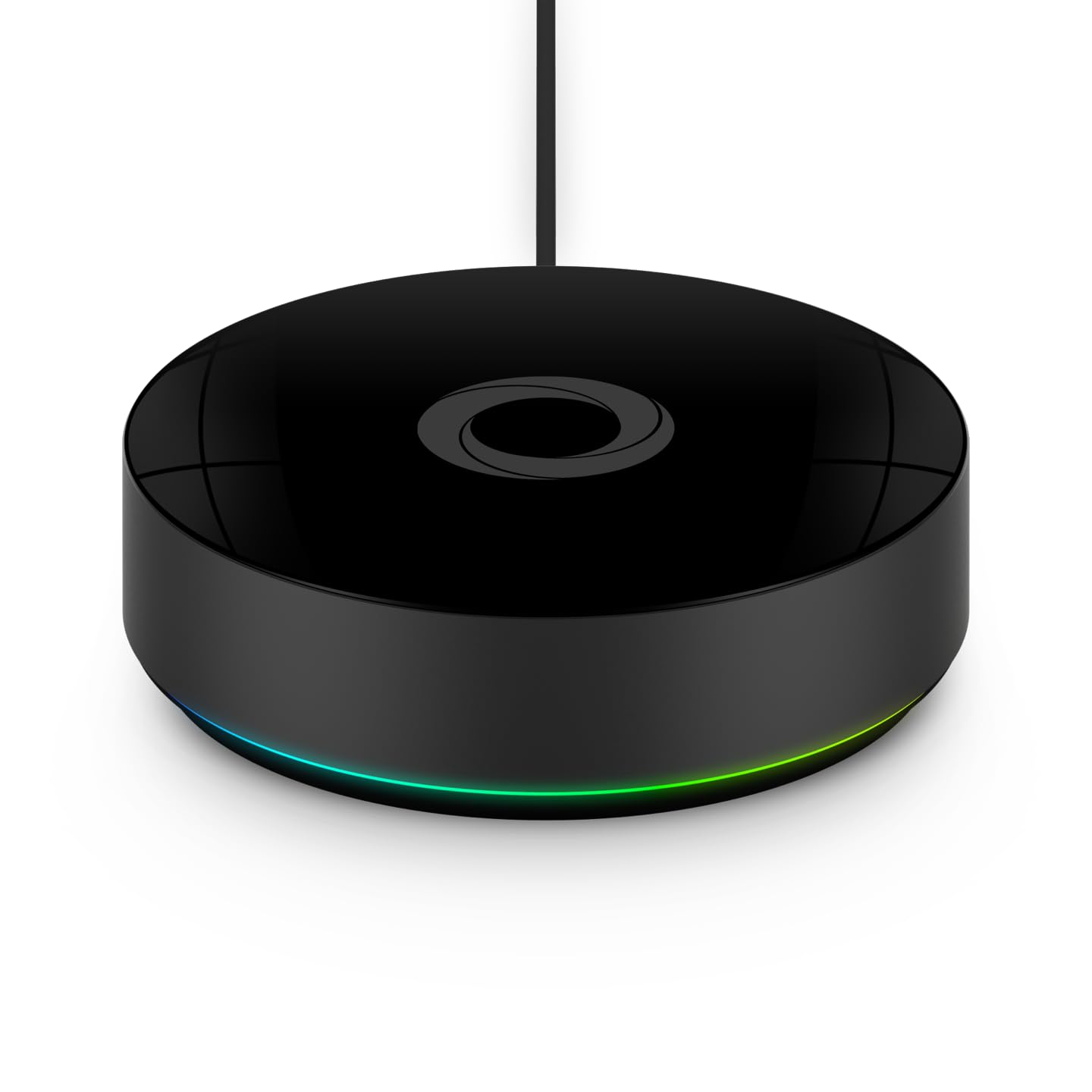

Why Do My SmartThings Devices Keep Going Offline?
- Weak or unstable hub link to the router (Ethernet/WiFi)
- Mesh routing gaps - devices past the edge of coverage
- Too few mains-powered repeaters for the device count
Problem Description
Your SmartThings devices keep going offline, or the hub itself intermittently loses its connection, so devices stop responding to the app, automations, and voice until they recover. Because most SmartThings devices are Zigbee or Z-Wave on a mesh managed by the hub, repeated offline events usually trace to mesh range and interference, a weak hub network link, ghost nodes, or dead batteries rather than the internet. This guide covers stabilizing both the hub and the mesh.
Why This Happens in Real Homes
Intermittent offline devices on SmartThings are almost always a mesh-and-hub-link problem, not an internet problem, because the devices themselves ride Zigbee or Z-Wave to the hub and only the hub touches your router. That distinction guides the fix. On the hub side, give it the most stable link you can - wiring it to the router by Ethernet eliminates a whole class of WiFi-related drops - and reboot it after any power blip to rebuild its Zigbee and Z-Wave routing tables, which is often all it takes to bring a batch of devices back.
On the mesh side, coverage and interference are the usual villains. Battery sensors don't repeat, so they depend on mains-powered plugs, bulbs, and switches to relay signals; if there aren't enough repeaters, or a device sits beyond the edge of coverage, it drops out repeatedly. Zigbee shares 2.4GHz with WiFi, so a Zigbee channel that overlaps your router's channel causes chronic interference - shifting it helps - and USB 3.0 ports, microwaves, and dense WiFi gear near the hub are classic offenders, so relocate the hub away from them. On Z-Wave, clear any ghost nodes left by removed devices. And a single sensor that keeps going dark is usually just a dead coin-cell battery.
Symptoms
- Devices repeatedly show offline then recover
- Hub drops its connection intermittently
- Several Zigbee/Z-Wave devices drop together
- Device works at its button but shows offline
- Automations fail whenever devices drop
- Far-from-hub devices drop most
- Hub goes unreachable in the app periodically
- Drops got worse as more devices were added
Recognize these? Here's what usually causes it.
Common Causes
- Weak or unstable hub link to the router (Ethernet/WiFi)
- Mesh routing gaps - devices past the edge of coverage
- Too few mains-powered repeaters for the device count
- Zigbee channel overlapping the router's 2.4GHz channel
- Z-Wave ghost nodes corrupting mesh routing
- Interference near the hub (USB 3.0, microwave, dense WiFi)
- Dead coin-cell batteries on sensors
- Hub firmware or a cloud incident
Most fixes happen in the first 3 steps.
Battery devices don't repeat - use powered devices for mesh.
Tools & Requirements
Step-by-Step Solution
Check the SmartThings hub status
In the SmartThings app, go to Devices and tap your hub. Check the status — it should show Online with a solid green LED on the physical hub. If the hub is offline, check its Ethernet cable and power adapter. Restart the hub by unplugging it for 15 seconds. When all hub devices show offline simultaneously, the hub itself is the problem, not the individual devices.
Identify whether the issue is Zigbee, Z-Wave, or WiFi devices
Check which devices are offline. If all Zigbee devices are offline but Z-Wave devices work, the Zigbee radio in the hub may need a restart. If all Z-Wave devices are offline but Zigbee works, the Z-Wave radio needs attention. If only WiFi devices are offline, your internet or cloud connection is the issue. This diagnosis determines which fix to apply — a radio-specific restart versus a network fix.
Restart the hub to reset the radios
Unplug the SmartThings hub Ethernet cable and power adapter. Wait 30 seconds. Plug the Ethernet cable back in first, then the power adapter. The hub takes 2-3 minutes to fully boot. The LED cycles through colors and settles on solid green when ready. After the hub is back, give devices 5-10 minutes to reconnect. Zigbee devices rejoin automatically. Some Z-Wave devices may need a manual wake-up (press a button on battery devices, or cycle power on switches).
Check for Zigbee or Z-Wave interference
If specific devices keep going offline, check for radio interference. Zigbee operates on 2.4GHz — the same as WiFi. If your WiFi router is on channels 1, 6, or 11, and the SmartThings Zigbee channel overlaps, devices drop off. In the SmartThings app, check the hub Zigbee channel under hub settings. Change it if it conflicts with your WiFi channel. Z-Wave operates on 908MHz (US) and generally does not have interference issues, but can be blocked by metal walls or thick concrete.
Re-pair devices that remain offline
If individual devices stay offline after the hub restart, they may need to be re-paired. Delete the device from the SmartThings app, then add it again following the standard pairing process. For Z-Wave devices, run Exclusion first. For Zigbee devices, factory reset the device. After re-pairing, update any automations that referenced the old device — they point to the old device ID and need to be re-linked to the new entry.
Quick Solutions
Still having issues? This is usually the deeper cause below.
This usually happens right after a router reboot or ISP change — the device rejoins the network but drops its cloud session silently.
Place your hub in a central location in your home, elevated off the floor and away from your WiFi router by at least 3 feet. This provides the best Zigbee and Z-Wave signal coverage to all corners of your house.
Most WiFi drop-offs happen right after a router reboot or ISP swap — the device reconnects to the network but silently loses its cloud registration.
- Weak or unstable hub link to the router (Ethernet/WiFi)
- Mesh routing gaps - devices past the edge of
- Too few mains-powered repeaters for the device count
- Zigbee channel overlapping the router's 2.4GHz channel
- Z-Wave ghost nodes corrupting mesh routing
Before you go — try one of these (they fix most cases).
Official Manufacturer Manual
Samsung SmartThings provides official product documentation through their online manual rather than downloadable PDF. Access setup guides, troubleshooting steps, and product specifications for your SmartThings Hub.
Source: samsung.com
Need More Help? Samsung SmartThings Support
Note: The contact information below connects you directly to Samsung SmartThings's official customer support team, not Trunetto. They can help with warranty claims, device replacements, and advanced technical issues.