
Why Won't My BN-Link Timer Run Its Schedule?
- WiFi connection unstable or device too far from router
- Device firmware or app needs updating
- Device not properly set up during initial pairing
Problem Description
Your BN-Link timer is not running its programmed schedule at the correct times. The most common cause is an incorrect clock or timezone setting on the timer. If the internal clock is wrong, all scheduled events fire at offset times. This guide covers checking the clock, resetting the timezone, and reprogramming schedules.
Symptoms
- Device shows as offline in the app
- Device does not respond to commands
- App cannot connect to device
- Features not working as expected
- Device disconnects frequently
- Automations fail to trigger
- Voice commands not recognized
Recognize these? Here's what usually causes it.
Common Causes
- WiFi connection unstable or device too far from router
- Device firmware or app needs updating
- Device not properly set up during initial pairing
- Power supply issue or loose connection
- Account not linked correctly
- Too many devices causing network congestion
- Interference from other wireless devices
Most fixes happen in the first 3 steps.
Never exceed the smart plug maximum wattage rating listed on the device or packaging. Do not use smart plugs with space heaters, high-wattage appliances, or devices that must not be interrupted like medical equipment. Smart plugs are not designed for outdoor use unless specifically rated for it.
Step-by-Step Solution
Check the clock and timezone on the timer
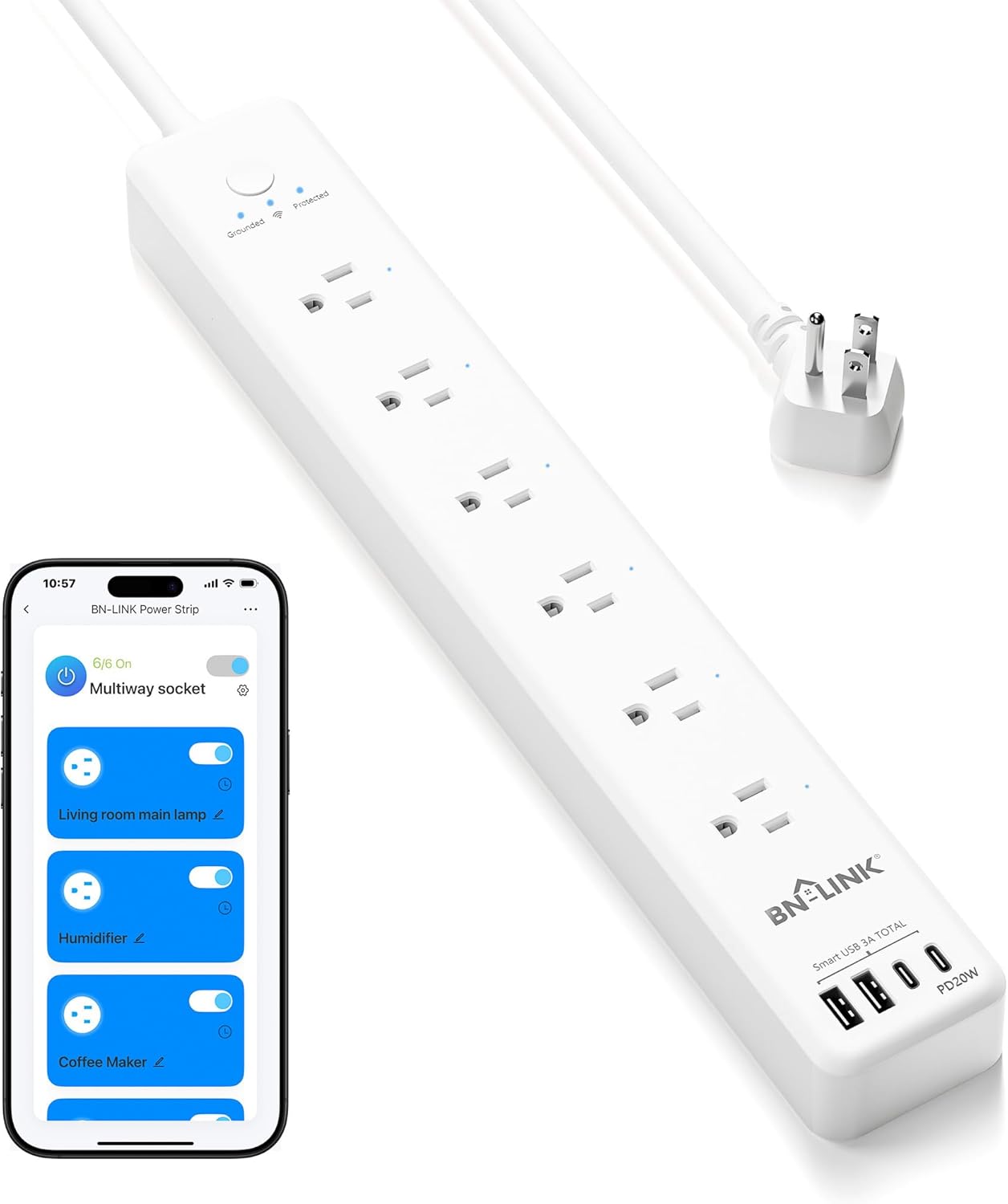
Most BN-Link timer schedule issues are caused by an incorrect clock. On the BN-Link smart plug timer, open the BN-Link app, tap the device, and check the time displayed. If it shows the wrong time, go to the device settings and sync the clock. Some BN-Link timers require you to be within Bluetooth range to sync the time. If the timer is a mechanical or digital (non-smart) BN-Link timer, hold the clock/set button and adjust the current time. Check AM/PM — a schedule set for 7 AM will fire at 7 PM if the clock is 12 hours off.
Delete old schedules and create new ones
BN-Link timers can store a limited number of schedules (typically 6-10 on smart models, 2-4 on basic digital timers). If you have edited schedules repeatedly without deleting old ones, conflicting entries can cause unpredictable behavior — the timer may turn on and immediately turn off, or skip schedules entirely. Delete all existing schedules in the BN-Link app or on the timer unit, then create fresh ones. For smart models, make sure each schedule has both an On and Off time — a schedule with only an On time and no Off will leave the device running until the next scheduled Off.
Check the repeat setting
By default, new schedules on BN-Link timers may be set to Once rather than Daily or specific days of the week. A schedule set to Once will run one time and then deactivate. In the BN-Link app, tap the schedule and check the Repeat setting. Set it to Every Day or select specific days. For the non-smart BN-Link digital timers, check the day indicators on the display — all 7 days should be highlighted if you want it to run daily. Press the day button to cycle through and select each day.
Check if the timer is in manual override mode
BN-Link timers have a manual on/off button that overrides schedules. If you pressed the button to manually turn the outlet on or off, the timer may stay in manual mode and ignore all schedules until you cycle back to Auto mode. On smart models, check the app — the device should show Auto or Schedule mode active, not Manual. On the physical timer, look for an Auto/On/Off switch or button — set it to Auto. Some BN-Link outdoor timers have a physical switch on the side.
Power cycle the timer
Unplug the BN-Link timer from the outlet, wait 15 seconds, and plug it back in. For hardwired BN-Link timers, turn off the circuit breaker for 15 seconds. After power is restored, check that the clock retained the correct time (some battery-backed models keep time, others do not). Re-check that your schedules are still programmed — some BN-Link models lose schedules after a power loss if they do not have battery backup. Reprogram if needed.
Quick Solutions
Still having issues? This is usually the deeper cause below.
Schedules that skip randomly are usually a daylight-saving holdover — delete and recreate the schedule to clear the corrupted entry.
Use smart plugs with energy monitoring to track exactly how much electricity each appliance uses. Set up Away Mode schedules that randomly toggle lamps on and off to make your home look occupied when you are traveling.
Thermostat issues that keep returning are often caused by stale backup-battery memory holding old settings across power cycles without the user realising.
- WiFi connection unstable or device too far from router
- Device firmware or app needs updating
- Device not properly set up during initial pairing
- Power supply issue or loose connection
- Account not linked correctly
Before you go — try one of these (they fix most cases).
Most popular upgrades chosen by BN-Link Smart Timer owners.

As an Amazon Associate we earn from qualifying purchases.
Official Manufacturer Manual
BN-Link provides official product documentation through their online manual rather than downloadable PDF. Access setup guides, troubleshooting steps, and product specifications for your BN-Link Smart Timer.
Source: bn-link.com
Need More Help? BN-Link Support
Note: The contact information below connects you directly to BN-Link's official customer support team, not Trunetto. They can help with warranty claims, device replacements, and advanced technical issues.