

Why Does My SimpliSafe Glass Break Sensor Keep Triggering False Alarms?
- Sensor sensitivity set too high for environment
- Sensor positioned near TV speakers or kitchen
- High frequency sounds mimicking glass break pattern
Problem Description
Your SimpliSafe glass break sensor triggers the alarm when no glass has broken. It goes off during TV shows, when dropping dishes, or from sounds outside. The sensor is supposed to detect the specific frequency of breaking glass but it keeps false triggering on other sounds. Police may have responded to false alarms costing you fines.
Why This Happens in Real Homes
SimpliSafe glass break sensors listen for the specific acoustic signature of breaking glass, so false alarms come from sounds that mimic it — TV audio with breaking glass, clinking dishes, jangling keys, or a dog's tags. Sensitivity set too high widens what it reacts to.
Start by lowering the sensor's sensitivity and moving it away from the TV, kitchen, and other noisy sources, keeping it within range of the windows it protects. It works on sound, not vibration, so what matters is what it can hear — reduce the mimicking noises in its earshot.
Symptoms
- Alarm triggers while watching TV with loud sounds
- Dropping dishes or pots in kitchen triggers sensor
- Dog barking or loud music sets off alarm
- Sensor triggers during thunderstorms
- Multiple false alarms per week causing police fines
- Alarm goes off in middle of night with no explanation
Recognize these? Here's what usually causes it.
Common Causes
- Sensor sensitivity set too high for environment
- Sensor positioned near TV speakers or kitchen
- High frequency sounds mimicking glass break pattern
- Sensor near window picking up outside noises
- Defective sensor with malfunctioning microphone
- HVAC vents near sensor causing interference
Most fixes happen in the first 3 steps.
Too many false alarms may result in police fines and deprioritized response to your address. Fix false alarm issues promptly.
Step-by-Step Solution
Relocate Away From Sound Sources
Glass break sensors listen for specific frequencies. TV speakers, Bluetooth speakers, and kitchen sounds can contain these frequencies. Move your sensor at least 10 feet from any speaker. Mount it away from the kitchen where dishes clanging can trigger it. Ideal location is hallway ceiling where it can hear windows but not daily sounds.
Position to Face Windows
The sensor should face the windows you want to protect not into the room. Mount on opposite wall facing the window or on ceiling between windows. The sensor picks up sound in a directional pattern. Proper positioning filters out sounds coming from behind or beside it.
Perform Clap Test
SimpliSafe glass break sensors respond to a clap followed by a sustained sound like breaking glass. Stand near your windows and clap loudly then say shhhh for 2 seconds. If the sensor triggers from just a clap without the sustained sound it may be too sensitive or defective.
Check for Defective Unit
If false alarms continue after repositioning your sensor may be defective. Contact SimpliSafe support and describe the false alarm pattern. They can check your alarm history remotely. Defective sensors are replaced free under warranty. Request a replacement if troubleshooting fails.
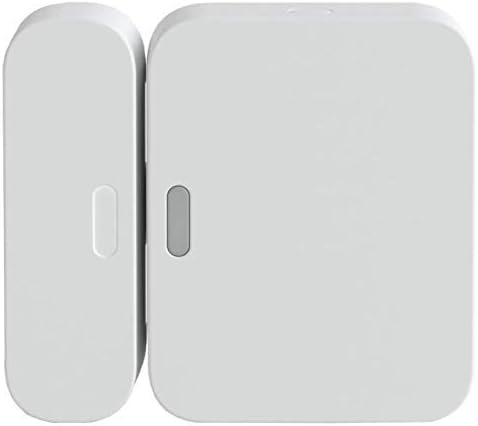
Consider Window Entry Sensors Instead
If glass break sensors keep false alarming in your environment consider using entry sensors on each window instead. Entry sensors only trigger when the window opens. They cost less and never false alarm from sound. You lose protection against someone breaking glass without opening the window but gain reliability.
Quick Solutions
Still having issues? This is usually the deeper cause below.
If the sensor still misses events after repositioning, check whether a scheduled 'home' or 'away' mode is overriding the sensitivity setting silently.
SimpliSafe glass break sensors work best in quiet homes. If you have dogs kids or loud hobbies window entry sensors may be more reliable.
False alarms cluster in two windows: the first two weeks of installation, and years later as sensors age. Rarely anything in between.
- Sensor sensitivity set too high for environment
- Sensor positioned near TV speakers or kitchen
- High frequency sounds mimicking glass break pattern
- Sensor near window picking up outside noises
- Defective sensor with malfunctioning microphone
Before you go — try one of these (they fix most cases).
Most popular upgrades chosen by SimpliSafe Glass Break Sensor owners.

SimpliSafe Wireless Keypad - Touch-to-Wake Technology - C...

SimpliSafe Wireless Outdoor Security Camera (Renewed)
SimpliSafe Entry Sensor - Window and Door Protection - Co...
As an Amazon Associate we earn from qualifying purchases.
Official Manufacturer Manual
SimpliSafe provides official product documentation through their online manual rather than downloadable PDF. Access setup guides, troubleshooting steps, and product specifications for your SimpliSafe Glass Break Sensor.
Source: support.simplisafe.com
Need More Help? SimpliSafe Support
Note: The contact information below connects you directly to SimpliSafe's official customer support team, not Trunetto. They can help with warranty claims, device replacements, and advanced technical issues.
How Does SimpliSafe Compare?
Before replacing your SimpliSafe device, see how it stacks up against alternatives in our full comparison guides.
Accessories owners commonly pair with SimpliSafe Glass Break Sensor.

Blink Mini - Compact indoor plug-in smart security camera...
Blink Mini - Compact indoor plug-in smart security camera...
Blink Mini - Compact indoor plug-in smart security camera...
As an Amazon Associate we earn from qualifying purchases.

