

Why Does My SimpliSafe Glassbreak Sensor Cause False Alarms?
- Television audio with breaking glass sounds in movies
- Thunderstorms creating sharp loud sounds
- Dogs barking at high pitched frequencies
Problem Description
Your SimpliSafe glassbreak sensor triggers false alarms when no glass has been broken. Glassbreak sensors listen for the specific acoustic signature of breaking glass which includes both a thump impact sound and the high frequency shattering sound. Certain household noises can mimic this signature and trigger false alarms including loud TV scenes, dropped dishes, dog barks, thunder, and jangling keys. False alarms from glassbreak sensors are particularly disruptive because they immediately trigger a full alarm with no entry delay.
Why This Happens in Real Homes
SimpliSafe glassbreak sensors detect the sound of breaking glass, so false alarms trace to noises that mimic that signature — a TV scene with shattering glass, dishes clinking, keys jangling, or pet tags. High sensitivity makes it react to more of them.
Start by lowering sensitivity and relocating the sensor away from the television, kitchen, and other loud sources while keeping it within range of its windows. Because it triggers on sound rather than impact, controlling what it can hear is the real fix.
Symptoms
- Alarm triggered with no broken glass
- False alarm during thunderstorm
- Alarm when watching action movies on TV
- Alarm triggered by dog barking or yelping
- Alarm when dishes or glasses clink in kitchen
- Repeated false alarms from the same sensor
Recognize these? Here's what usually causes it.
Common Causes
- Television audio with breaking glass sounds in movies
- Thunderstorms creating sharp loud sounds
- Dogs barking at high pitched frequencies
- Keys jangling or metal objects clinking
- Dishes or glasses clinking together or being dropped
- Children playing with toys that make crashing sounds
- High pitched alarms from other devices like smoke detectors
- Sensor mounted too close to speakers or TV
Most fixes happen in the first 3 steps.
After a false alarm from a glassbreak sensor you typically have a 30 second window to cancel the alarm via keypad before dispatch is notified. If you experience repeated false alarms you may be fined by local authorities for excessive false dispatches. Consider removing or relocating problematic sensors to avoid fines.
Step-by-Step Solution
Identify False Alarm Triggers
Check the SimpliSafe app timeline to see when the glassbreak sensor triggered. Correlate the time with household activities. Were you watching TV? Did a thunderstorm occur? Did someone drop something? Was a dog barking? Identifying the pattern helps you either avoid the trigger or relocate the sensor away from the noise source.
Relocate Sensor Away from Noise Sources
The glassbreak sensor should not be mounted within 15 feet of a television, stereo speakers, or areas where metal objects or dishes are frequently handled. Move the sensor to a quieter location while maintaining coverage of the windows you want to protect. The sensor can detect glass breaking up to 20 feet away so it does not need to be right next to the window.
Test Sensor Placement
After relocating test the sensor using the SimpliSafe glassbreak tester if you have one or use the app test mode. Clap loudly near the windows the sensor should cover to verify it responds. Then test false alarm sources by playing loud TV, clanking dishes, or jangling keys in the area. If the sensor triggers from these sounds it needs further relocation or sensitivity adjustment.
Adjust Sensitivity or Alarm Mode
In the SimpliSafe app go to My System then Device Settings then select the glassbreak sensor. Some users set the sensor to notification only mode instead of triggering a full alarm. This means you receive an alert if glass breaking sound is detected but the siren does not sound and dispatch is not contacted. Review and investigate the notification to determine if it was real.
Consider Alternative Protection
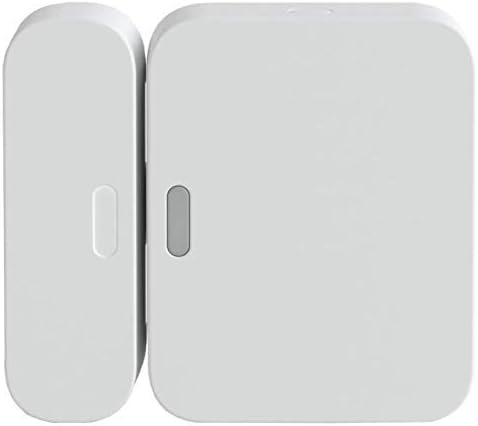
If a glassbreak sensor causes repeated false alarms in a particular room consider removing it and using entry sensors on the windows instead. Entry sensors trigger when the window is opened which has no false alarm risk. For windows that do not open or for sliding glass doors glassbreak sensors provide value but they require careful placement away from noise.
Quick Solutions
Still having issues? This is usually the deeper cause below.
If this comes back after following these steps, check whether a recent app or firmware update reset a default setting — the fix works, but the setting gets reverted silently.
Glassbreak sensors are most effective in quiet rooms like bedrooms and home offices. They are problematic in kitchens, living rooms with TVs, and rooms where dogs spend time. One well-placed glassbreak sensor in a quiet hallway can cover multiple windows while avoiding false alarm sources.
False alarms cluster in two windows: the first two weeks of installation, and years later as sensors age. Rarely anything in between.
- Television audio with breaking glass sounds in movies
- Thunderstorms creating sharp loud sounds
- Dogs barking at high pitched frequencies
- Keys jangling or metal objects clinking
- Dishes or glasses clinking together or being dropped
Before you go — try one of these (they fix most cases).
Most popular upgrades chosen by SimpliSafe Glassbreak Sensor owners.

SimpliSafe Wireless Keypad - Touch-to-Wake Technology - C...

SimpliSafe Wireless Outdoor Security Camera (Renewed)
SimpliSafe Entry Sensor - Window and Door Protection - Co...
As an Amazon Associate we earn from qualifying purchases.
Official Manufacturer Manual
SimpliSafe provides official product documentation through their online manual rather than downloadable PDF. Access setup guides, troubleshooting steps, and product specifications for your SimpliSafe Glassbreak Sensor.
Source: support.simplisafe.com
Need More Help? SimpliSafe Support
Note: The contact information below connects you directly to SimpliSafe's official customer support team, not Trunetto. They can help with warranty claims, device replacements, and advanced technical issues.
How Does SimpliSafe Compare?
Before replacing your SimpliSafe device, see how it stacks up against alternatives in our full comparison guides.
Accessories owners commonly pair with SimpliSafe Glassbreak Sensor.

Blink Mini - Compact indoor plug-in smart security camera...
Blink Mini - Compact indoor plug-in smart security camera...
Blink Mini - Compact indoor plug-in smart security camera...
As an Amazon Associate we earn from qualifying purchases.

