
What Do Arlo Base Station LED Light Colors Mean and How Do I Fix Them?
- Internet connection lost causing amber LED
- Firmware update in progress causing blinking amber
- Base station overheating causing amber blinking
Problem Description
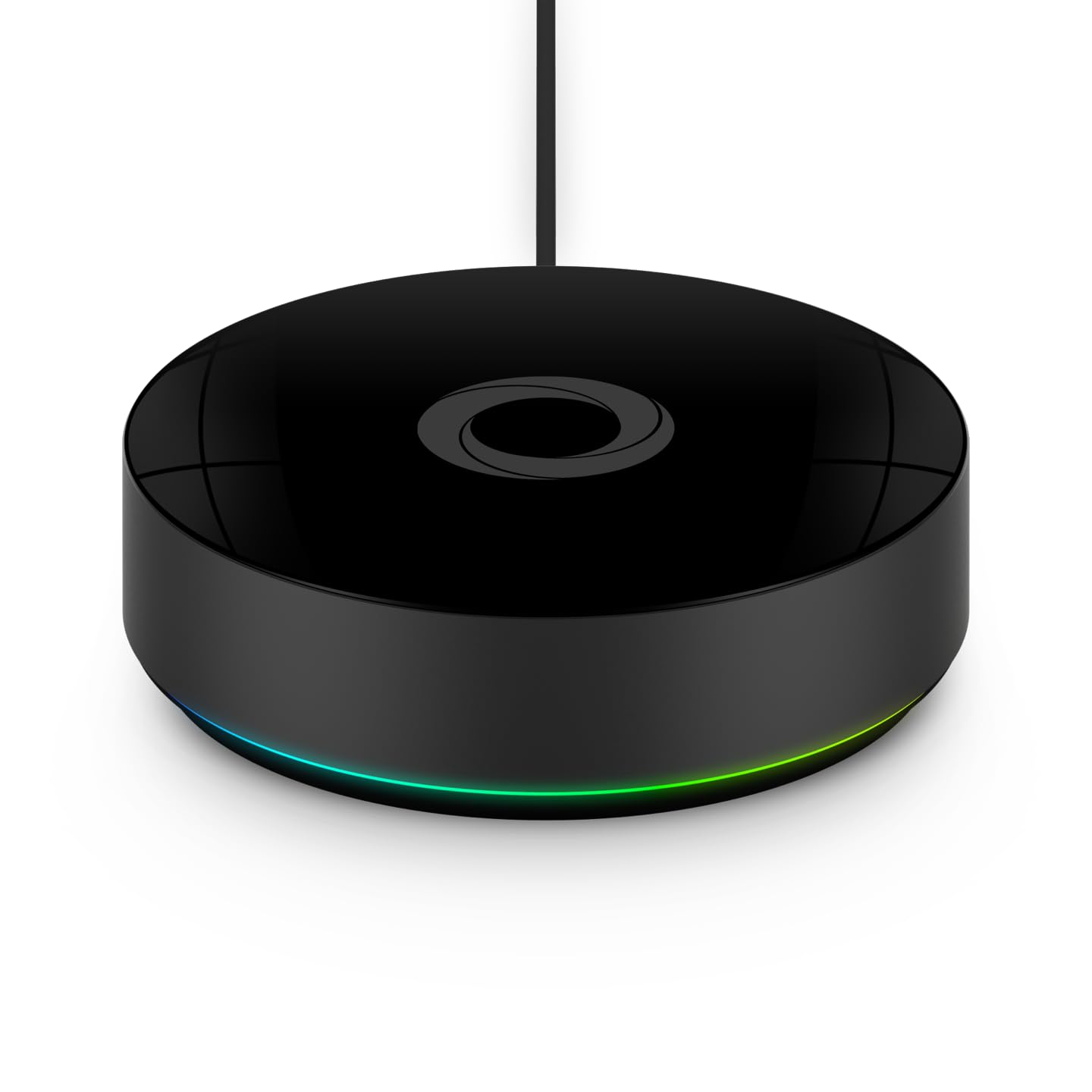
Your Arlo base station or SmartHub LED is showing a color other than the normal solid green and you do not know what it means or how to fix it. The Arlo base station uses LED colors to communicate its operational status and any problems. A solid green LED means everything is working normally. Any other color or blinking pattern indicates a specific issue that needs attention. Understanding these LED codes is essential for diagnosing Arlo system problems without needing to check the app first.
Why This Happens in Real Homes
The Arlo base station LED is your only diagnostic tool when the app is unreachable and most people have no idea what the colors mean. On the VMB4000 and VMB3010 models, solid green means online and connected, amber means booting or updating firmware, and solid red means no internet connection. Flashing amber is the one that scares people — it means a firmware update is in progress and you absolutely cannot unplug it or you risk bricking the unit. The VMB5000 SmartHub uses the same color scheme but adds a blue LED state for when it is in pairing mode waiting for a camera to sync.
Symptoms
- Arlo base station LED is amber or orange instead of green
- Base station LED is blinking instead of solid
- LED turned off completely and base station appears dead
- LED is alternating between two colors
- All cameras offline and base station showing unusual LED color
- Base station was green then changed to a different color suddenly
Recognize these? Here's what usually causes it.
Common Causes
- Internet connection lost causing amber LED
- Firmware update in progress causing blinking amber
- Base station overheating causing amber blinking
- Power supply failure causing no LED
- Factory reset initiated causing specific LED pattern
- Hardware failure causing unusual LED behavior
Most fixes happen in the first 3 steps.
The Arlo base station should have adequate ventilation and not be placed inside a closed cabinet, on top of a warm device like a DVR or router, or in direct sunlight. Overheating can cause the base station to malfunction and show amber LED warnings or shut down entirely. Leave at least 2 inches of clearance on all sides.
Tools & Requirements
These tools will help you complete this fix.
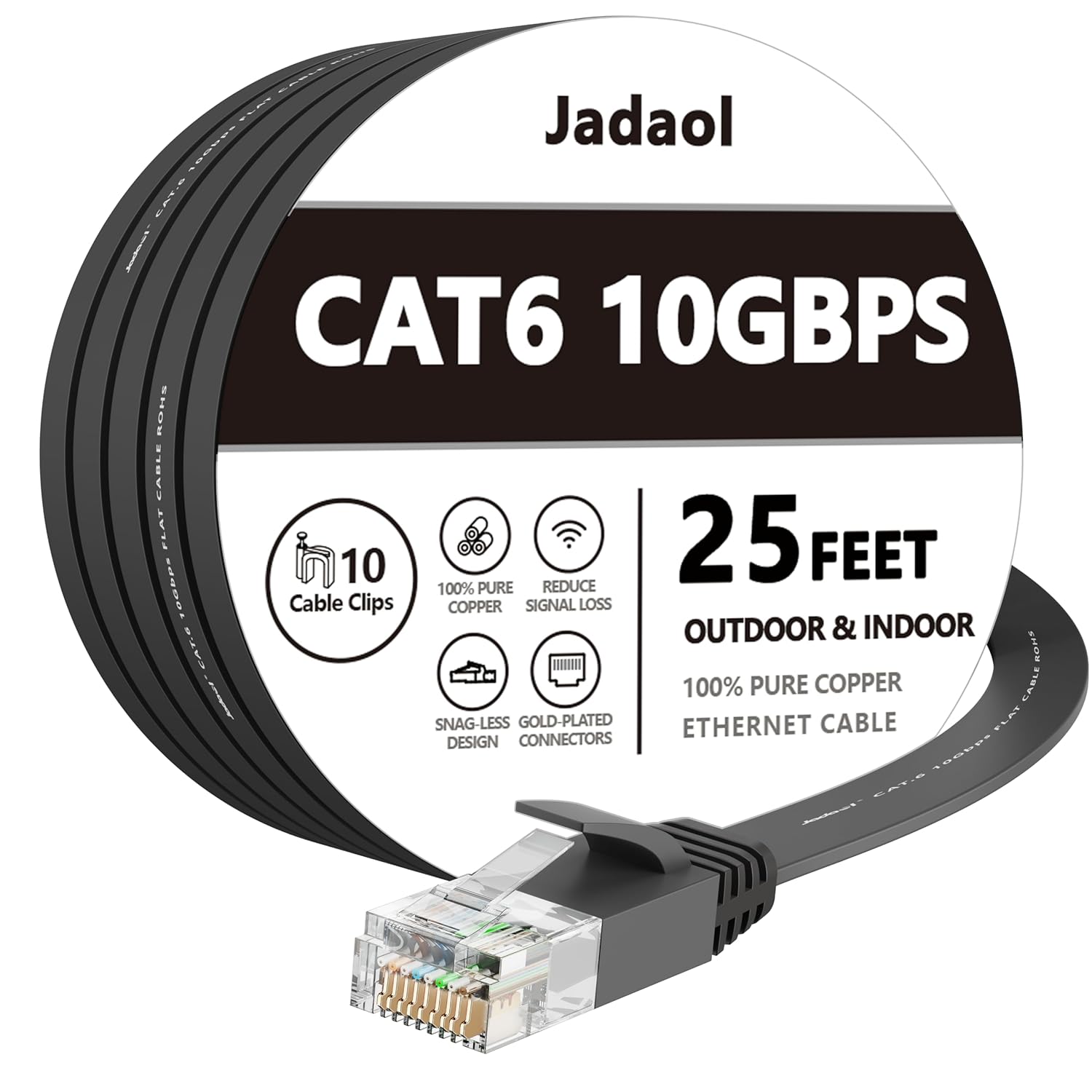
Replacement Ethernet cable
Jadaol Cat 6 Ethernet Cable 25 ft, 10Gbps Support Ca...

Multimeter optional for checking power adapter output
Klein Tools 80196 Digital Multimeter Kit with Case, ...
As an Amazon Associate we earn from qualifying purchases.
Step-by-Step Solution
Identify exact LED color and blink pattern
Document the base station LED state precisely before making changes. Arlo meanings differ between solid, blinking, and multi-color transitions.
Check internet and router link status
Verify WAN connectivity and Ethernet/WiFi link health to the base station. Many warning LEDs represent upstream network loss, not camera faults.
Needed for this step
Jadaol Cat 6 Ethernet Cable 25 ft, 10Gbps Suppo...
This helps complete the fix you are currently reading.
$9.99Validate camera sync and account status
Open Arlo app and confirm base station ownership and camera sync are intact. Account or sync drift can produce persistent warning indicator states.
Perform controlled base reboot
Power-cycle the base station after network stability is confirmed, then wait for full boot. This clears transient cloud/session errors tied to LED alerts.
Needed for this step
Klein Tools 80196 Digital Multimeter Kit with C...
This helps complete the fix you are currently reading.
$46.15Apply firmware updates and retest
Install base and camera firmware updates and monitor LED state over multiple hours. Recurring alert patterns after updates indicate deeper network or hardware issues.
Quick Solutions
Still having issues? This is usually the deeper cause below.
If flickering only happens on dimming, the issue is almost always the dimmer's minimum-load setting, not the bulb — it's drawing less current than the dimmer expects.
Take a 10-second video of your base station LED on your phone if it is showing an unusual pattern. This helps describe the exact behavior to Arlo support if needed. LED patterns can be difficult to describe accurately in words but a video captures the exact color, speed, and sequence.
This issue almost always looks more complex than it is — the majority of cases trace back to a single setting, a stale credential, or a default that shipped wrong.
- Internet connection lost causing amber LED
- Firmware update in progress causing blinking amber
- Base station overheating causing amber blinking
- Power supply failure causing no LED
- Factory reset initiated causing specific LED pattern
Before you go — try one of these (they fix most cases).
Most popular upgrades chosen by Arlo Base Station and SmartHub owners.

Arlo Pro 5S Spotlight Security Camera 2K HDR | Outdoor | ...

Arlo Pro 5S Spotlight Security Camera 2K HDR | Outdoor | ...

Arlo Pro 5S 2K Spotlight Camera VMC4060B (Renewed)
As an Amazon Associate we earn from qualifying purchases.
Official Manufacturer Manual
Arlo provides official product documentation through their online manual rather than downloadable PDF. Access setup guides, troubleshooting steps, and product specifications for your Arlo Base Station and SmartHub.
Source: arlo.com
Need More Help? Arlo Support
Note: The contact information below connects you directly to Arlo's official customer support team, not Trunetto. They can help with warranty claims, device replacements, and advanced technical issues.
How Does Arlo Compare?
Before replacing your Arlo device, see how it stacks up against alternatives in our full comparison guides.
Accessories owners commonly pair with Arlo Base Station and SmartHub.

As an Amazon Associate we earn from qualifying purchases.