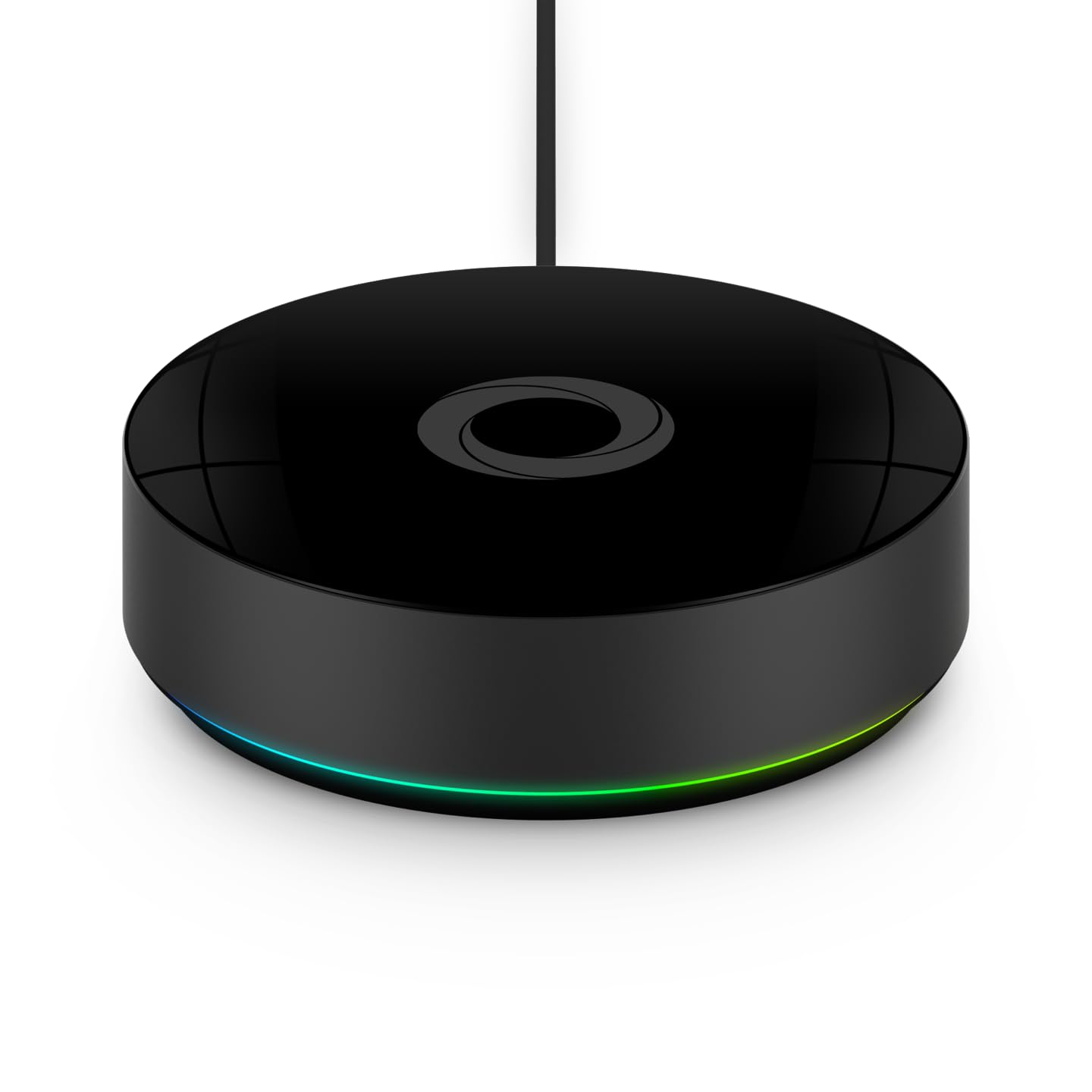

Why Is My SmartThings Hub Migration Failing?
- Battery devices asleep and not responding during migration
- Devices too far from the hub with a weak mesh link
- No matching Edge driver on the new hub for a device
Problem Description
Your SmartThings hub migration - moving your Zigbee and Z-Wave devices from an old hub (or a hub built into a TV/fridge) to a new Aeotec/SmartThings hub - is failing or leaving devices behind. Migration transfers device pairings so you don't have to re-add everything, but battery devices that are asleep, weak-mesh devices, or ones with no matching Edge driver often don't transfer cleanly. This guide covers preparing devices and completing or recovering a migration.
Why This Happens in Real Homes
SmartThings hub migration is meant to spare you from re-pairing dozens of devices when you move to a new Aeotec Smart Home Hub, a SmartThings Station, or a hub embedded in a newer Samsung TV or fridge - it copies the Zigbee and Z-Wave pairings across. In practice it's finicky, and the reasons are consistent. Battery devices spend most of their time asleep to save power, so if a sensor or lock isn't awake when the migration reaches it, it gets skipped; waking each battery device with a button press around migration time dramatically improves the success rate. A weak mesh link or a device far from the hub causes the same skip.
The other failure mode is on the software side. The new platform uses Edge drivers, and a device with no matching driver on the destination hub may not transfer as itself; installing the right drivers first helps. Some devices, especially certain Z-Wave ones, are cleaner to exclude and re-include than to migrate, and when a device's capabilities change during the move it can be dropped from the Routines or Scenes it belonged to - so plan to rebuild some automations afterward. Confirm both hubs are online with current firmware, clear ghost nodes beforehand, and migrate in stages, verifying each device rather than trusting a single bulk run.
Symptoms
- Migration stalls or reports errors partway
- Some devices transfer, others are left behind
- Battery devices (sensors/locks) fail to migrate
- Migrated devices show offline on the new hub
- Devices lost their automations after migrating
- Z-Wave devices didn't come across
- Migration can't find the old hub
- Have to re-pair devices the migration missed
Recognize these? Here's what usually causes it.
Common Causes
- Battery devices asleep and not responding during migration
- Devices too far from the hub with a weak mesh link
- No matching Edge driver on the new hub for a device
- Z-Wave devices needing exclusion/re-inclusion instead of transfer
- Old hub offline or not eligible for the migration path
- Device capabilities changed, dropping it from Routines/Scenes
- Ghost nodes on the old network disrupting the transfer
- Hub firmware out of date on either end
Most fixes happen in the first 3 steps.
Do not factory reset your hub unless absolutely necessary as this removes all paired devices, automations, and settings. You will need to re-pair every single device from scratch which can take hours for a large setup. Always try a simple restart first.
Tools & Requirements
These tools will help you complete this fix.
As an Amazon Associate we earn from qualifying purchases.
Step-by-Step Solution
Understand what migrates and what does not
When migrating from an older SmartThings hub (v2, v3) to a newer one (Station, or v3 replacement), your cloud-based settings (automations, scenes, modes) migrate automatically because they are stored in the SmartThings cloud, not on the hub. However, locally paired Zigbee and Z-Wave devices must be excluded from the old hub and re-paired to the new hub. There is no automatic device transfer between hubs. WiFi and cloud-connected devices (TVs, appliances) transfer automatically since they do not pair through the hub radio.
Exclude all Z-Wave devices from the old hub first
Before disconnecting the old hub, use Z-Wave Exclusion (Hub Settings > Z-Wave Utilities > Exclusion) to properly remove each Z-Wave device. Trigger the exclusion button on each device. This is critical — if you just unplug the old hub without excluding, Z-Wave devices remain registered to the old hub network and will not pair to the new hub until they are factory reset, which is harder on wall switches and outlets.
Remove Zigbee devices from the old hub
Zigbee devices are easier — you can factory reset them after removing the old hub. But for a clean migration, delete each Zigbee device from the SmartThings app while the old hub is still connected. Then factory reset each device (method varies by device). This ensures clean device entries and prevents orphan device records in the SmartThings cloud.
Set up the new hub and re-pair all devices
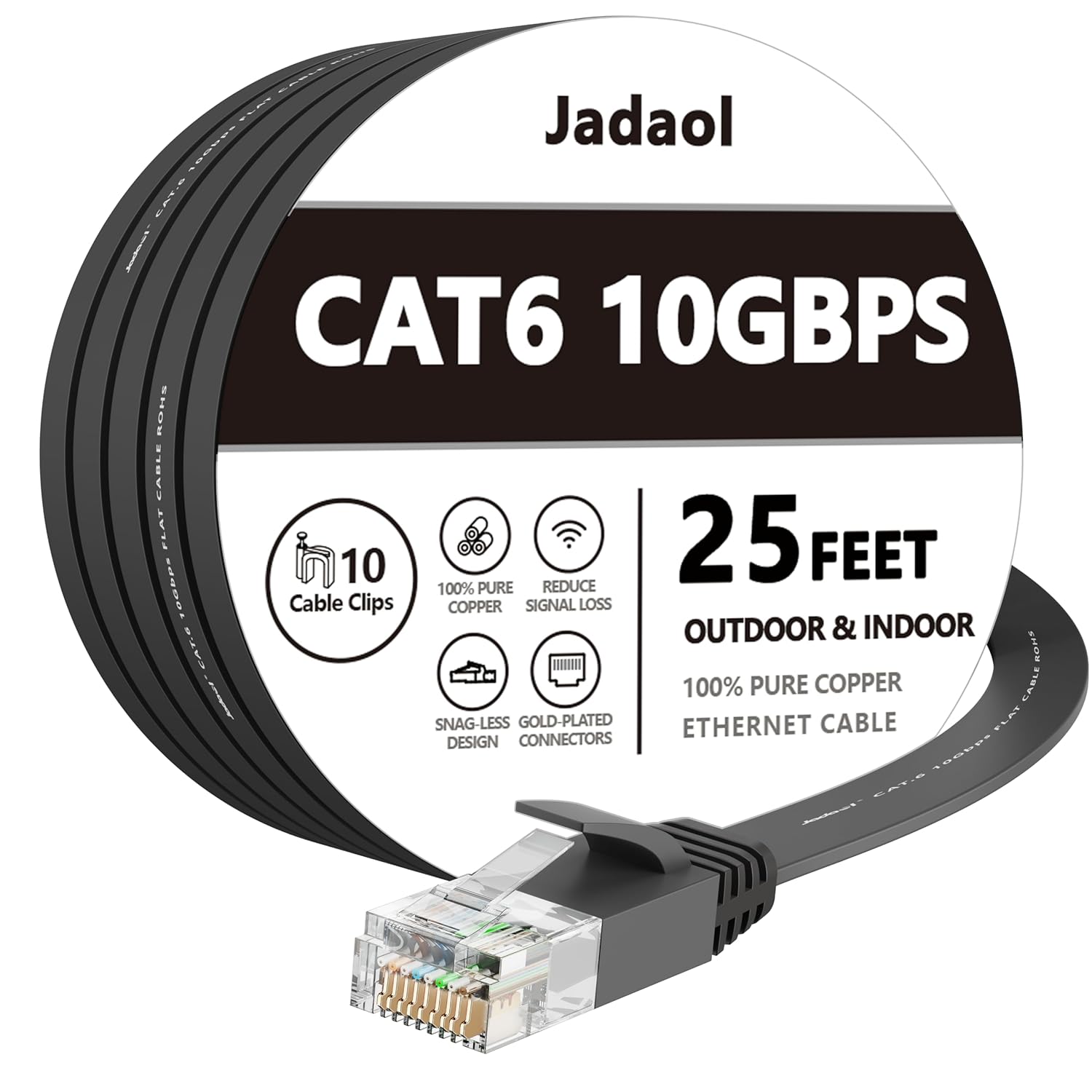
Plug in the new hub, connect Ethernet, and add it in the SmartThings app. The app detects the new hub and sets it up. After the hub is online, re-pair all Zigbee and Z-Wave devices. Start with mains-powered devices (plugs, switches) because they act as mesh repeaters. Then pair battery devices (sensors, buttons). Pair devices close to the hub, then move them to their permanent locations. The mesh network builds as you add devices.
Needed for this step
Jadaol Cat 6 Ethernet Cable 25 ft, 10Gbps Suppo...
This helps complete the fix you are currently reading.
$9.99Rebuild automations that reference local devices
After re-pairing, your existing automations may show errors because the device IDs changed. Go through each automation and update the device references to point to the newly paired devices. Scenes may also need updating. Check each automation by triggering it manually to verify it works with the new device entries. This is the most tedious part of migration but is unavoidable when moving to a new hub.
Quick Solutions
Still having issues? This is usually the deeper cause below.
If the hub reconnects then drops every few minutes, check for an IP conflict — two devices sharing the same DHCP address fight each other continuously.
Place your hub in a central location in your home, elevated off the floor and away from your WiFi router by at least 3 feet. This provides the best Zigbee and Z-Wave signal coverage to all corners of your house.
Hub disconnections that cycle repeatedly are almost always IP conflicts — two devices fighting over the same DHCP lease after a router restart.
- Battery devices asleep and not responding during migration
- Devices too far from the hub with a weak
- No matching Edge driver on the new hub for
- Z-Wave devices needing exclusion/re-inclusion instead of transfer
- Old hub offline or not eligible for the migration
Before you go — try one of these (they fix most cases).
Official Manufacturer Manual
Samsung SmartThings provides official product documentation through their online manual rather than downloadable PDF. Access setup guides, troubleshooting steps, and product specifications for your SmartThings Hub.
Source: samsung.com
Need More Help? Samsung SmartThings Support
Note: The contact information below connects you directly to Samsung SmartThings's official customer support team, not Trunetto. They can help with warranty claims, device replacements, and advanced technical issues.
Accessories owners commonly pair with SmartThings Hub.

Amazon Smart Plug, Works with Alexa, Simple Setup, Endles...

TP-Link WiFi Extender with Ethernet Port, Dual Band 5GHz/...

Kasa Smart Plug, Matter Compatible, Energy Monitoring, Co...
As an Amazon Associate we earn from qualifying purchases.