
Why Does My Nest Protect Keep Going Offline and How Do I Fix DHCP Issues?
- Router DHCP lease time too short causing frequent IP renegotiation that Protect cannot handle
- Mesh WiFi band steering pushes Protect to 5GHz which it does not support
- Router assigns Protect a different IP after lease expires causing brief offline period
Problem Description
Your Nest Protect smoke and carbon monoxide detectors periodically go offline in the Nest app then come back online on their own. This cycling happens every few days or weeks and is almost always caused by a DHCP lease renewal issue where the router temporarily cannot renew the Protect IP address. Since Nest Protect only supports 2.4GHz WiFi and has a very basic WiFi chipset it is more vulnerable to network disruptions than other Nest devices. Reddit users frequently report this after upgrading to mesh WiFi systems.
Why This Happens in Real Homes
A Protect that drops off WiFi every few days and returns on its own is a classic router/DHCP mismatch, not a failing detector. Many routers hand out short DHCP leases or use band-steering that tries to push the Protect onto 5GHz, which it doesn't support — so it loses its IP and has to renegotiate. Mesh systems are especially prone to this.
Start by reserving a fixed IP for each Protect in your router's DHCP settings and, if possible, creating a dedicated 2.4GHz SSID so band-steering can't move it. That single change resolves most recurring offline cycling.
Symptoms
- Nest app shows Protect offline then back online every few days
- Multiple Nest Protects go offline simultaneously suggesting network cause
- Protect works locally with voice alerts but app shows disconnected
- WiFi signal test in Nest app shows good signal but device still drops offline
- Protect drops offline overnight when network traffic is lowest
- After router reboot some Protects reconnect but others stay offline
Recognize these? Here's what usually causes it.
Common Causes
- Router DHCP lease time too short causing frequent IP renegotiation that Protect cannot handle
- Mesh WiFi band steering pushes Protect to 5GHz which it does not support
- Router assigns Protect a different IP after lease expires causing brief offline period
- Too many devices on the network exhausting the DHCP address pool
- Router power saving mode turns off 2.4GHz radio during low activity periods overnight
- WiFi channel congestion on 2.4GHz causing intermittent connection drops
Most fixes happen in the first 3 steps.
Nest Protect going offline does not affect its ability to detect smoke or carbon monoxide locally. It will still sound its alarm and communicate with other Protects via Nest Weave mesh. The offline status only means the app cannot receive remote notifications. Your home safety is not compromised.
Tools & Requirements
Step-by-Step Solution
Find Nest Protect MAC Addresses
Open the Nest app and tap on each Nest Protect. Go to Settings then Technical Info. Note the MAC address for each unit. Alternatively check your router connected devices list for devices named Nest or with manufacturer listed as Google or Nest Labs. You need these MAC addresses to create DHCP reservations.
Create DHCP Reservations
Log into your router admin panel. Go to DHCP settings or LAN settings. Find the DHCP reservation section and add each Nest Protect MAC address with a fixed IP. Assign IPs in a range above your normal DHCP pool such as 192.168.1.220 through 192.168.1.230. This ensures each Protect always gets the same IP and never experiences a lease renewal disruption.
Increase DHCP Lease Time
In your router DHCP settings change the lease time from the default which is often 2 hours to 86400 seconds or 24 hours. Some routers display this in minutes so enter 1440. Longer leases mean the Protect renews its IP far less frequently reducing the chance of a failed renewal causing an offline event.
Isolate 2.4GHz Network
Nest Protect only connects to 2.4GHz WiFi. If your router combines 2.4GHz and 5GHz into one SSID with band steering the Protect may struggle. Create a separate 2.4GHz-only SSID in your router settings. Connect all Nest Protects to this dedicated network. This prevents the router from ever attempting to move the Protect to a band it cannot use.
Optimize 2.4GHz Channel
Download a WiFi analyzer app on your phone and check which 2.4GHz channels are congested in your home. Channels 1, 6, and 11 are the only non-overlapping channels. Set your router 2.4GHz to whichever of these three has the least interference from neighbors. A cleaner channel means more reliable connections for all 2.4GHz devices including Nest Protect.
Quick Solutions
Still having issues? This is usually the deeper cause below.
This usually happens right after a router reboot or ISP change — the device rejoins the network but drops its cloud session silently.
After making all changes run a WiFi connection test on each Nest Protect through the Nest app. Tap the Protect then Settings then WiFi Connection then Test. The app will report signal strength. If any Protect shows weak signal consider adding a WiFi extender or moving your router closer.
Most WiFi drop-offs happen right after a router reboot or ISP swap — the device reconnects to the network but silently loses its cloud registration.
- Router DHCP lease time too short
- Mesh WiFi band steering pushes Protect to 5GHz
- Router assigns Protect a different IP
- Too many devices on the network exhausting the DHCP
- Router power saving mode turns off 2.4GHz radio during
Before you go — try one of these (they fix most cases).
Official Manufacturer Manual
Google Nest provides official product documentation through their online manual rather than downloadable PDF. Access setup guides, troubleshooting steps, and product specifications for your Google Nest Protect.
Source: support.google.com
Need More Help? Google Nest Support
Note: The contact information below connects you directly to Google Nest's official customer support team, not Trunetto. They can help with warranty claims, device replacements, and advanced technical issues.
How Does Google Nest Compare?
Before replacing your Google Nest device, see how it stacks up against alternatives in our full comparison guides.
Accessories owners commonly pair with Google Nest Protect.

Google Nest Wifi - AC2200 - Mesh WiFi System - Wifi Route...

Google Nest Wifi - Home Wi-Fi System - Wi-Fi Extender - M...

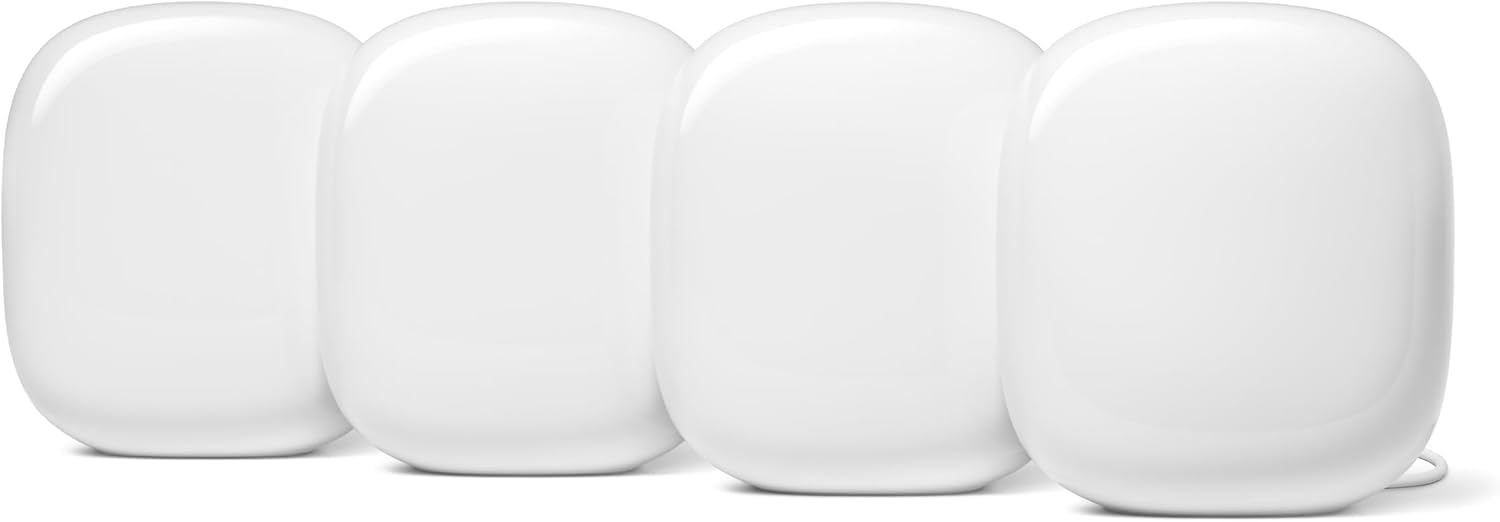
Google Nest WiFi Pro - Wi-Fi 6E - Reliable Home Wi-Fi Sys...
As an Amazon Associate we earn from qualifying purchases.