

Why Does My SimpliSafe Motion Sensor Keep False Alarming
- Sensor pointed at heat source
- Sunlight through window
- HVAC vent in detection area
Problem Description
Your SimpliSafe motion sensor triggers false alarms when no one is home, fires during the night while you are sleeping, or sends constant activity alerts from an empty room. SimpliSafe motion sensors use passive infrared (PIR) detection, which responds to heat movement — pets, warm air from vents, sunlight patterns, and curtains moving from HVAC airflow are the most common false trigger sources.
Why This Happens in Real Homes
SimpliSafe motion sensors are PIR — they detect moving heat — so false alarms come from heat on the move: direct sunlight tracking across the room, a heating/AC vent, a radiator, or a fireplace in the sensor's field. Reflective surfaces and rapid temperature swings add to it.
Start by aiming the sensor away from windows, vents, and heat sources, and lowering sensitivity if your model allows. Mount it at the recommended height (around 4-5 feet) so sun and warm air aren't sweeping across its view; PIR reacts to the change, so a steady scene is what keeps it quiet.
Symptoms
- Alarm triggers when nobody home
- False alarms in armed Away
- Sensor detects motion in empty room
- Pets not in the area
- Happens at random times
- Specific sensor keeps triggering
Recognize these? Here's what usually causes it.
Common Causes
- Sensor pointed at heat source
- Sunlight through window
- HVAC vent in detection area
- Pets triggering sensor
- Sensor mounted too low
- Insects or spiders on sensor
Most fixes happen in the first 3 steps.
Multiple false alarms may result in police fines in some jurisdictions. Fix false triggers promptly.
Step-by-Step Solution
Identify the False Trigger Source
Log into the SimpliSafe app and tap the activity timeline. Note the exact time stamps of false triggers. Cross-reference with when your HVAC runs, when sunlight enters the room, or when pets are active. Most false triggers occur at predictable times tied to a specific heat source. Identifying the pattern tells you whether to adjust sensor placement, sensitivity, or enable pet immunity.
Relocate Sensor Away From Heat Sources
Move the motion sensor away from HVAC supply and return vents, radiators, fireplaces, and windows with direct sun exposure. PIR sensors detect infrared heat differentials — warm air from a vent, sunlight crossing the field of view, or a warm body walking through creates the same signature as a person. Mount the sensor in a corner at 7 to 8 feet high where the heat field is more uniform and pets and air currents cannot cross the detection beam.
Enable Pet Sensitivity Mode if Available
In the SimpliSafe app, go to the sensor settings and look for a Sensitivity or Pet Immunity option. When enabled, the sensor uses a reduced sensitivity threshold that ignores heat signatures below a certain size and temperature profile, filtering out cats and small dogs while still detecting people. This setting is found in the sensor's individual configuration page in the app.
Reduce Motion Sensor Sensitivity
Open the SimpliSafe app, tap the affected sensor, and look for the sensitivity setting. Reduce from High to Medium or Low. High sensitivity is designed for commercial environments with very low baseline thermal noise. In a home with HVAC, pets, and sunlight, high sensitivity causes regular false triggers. Medium sensitivity detects adult humans reliably at normal walking speed across the field of view.
Test Sensor Field After Repositioning
After adjusting placement or sensitivity, arm the system in Away mode and leave the home for 30 minutes during a period when false triggers typically occur. Review the activity log when you return. If no false trigger fired during the test period, the fix is working. Repeat the test at different times of day — particularly mid-morning when sunlight angles change — to confirm false triggers are eliminated before relying on the sensor for overnight security.
Quick Solutions
Still having issues? This is usually the deeper cause below.
If the sensor still misses events after repositioning, check whether a scheduled 'home' or 'away' mode is overriding the sensitivity setting silently.
Test sensor placement using Test Mode before arming. Walk through to verify detection pattern. **Product Intelligence:** - CR-123A battery (3-5yr) - Mount 4-5ft high - Pet mode <50lbs
False alarms cluster in two windows: the first two weeks of installation, and years later as sensors age. Rarely anything in between.
- Sensor pointed at heat source
- Sunlight through window
- HVAC vent in detection area
- Pets triggering sensor
- Sensor mounted too low
Before you go — try one of these (they fix most cases).
Most popular upgrades chosen by SimpliSafe Motion Sensor owners.
As an Amazon Associate we earn from qualifying purchases.
Official Manufacturer Manual
SimpliSafe provides official product documentation through their online manual rather than downloadable PDF. Access setup guides, troubleshooting steps, and product specifications for your SimpliSafe Motion Sensor.
Source: support.simplisafe.com
Need More Help? SimpliSafe Support
Note: The contact information below connects you directly to SimpliSafe's official customer support team, not Trunetto. They can help with warranty claims, device replacements, and advanced technical issues.
How Does SimpliSafe Compare?
Before replacing your SimpliSafe device, see how it stacks up against alternatives in our full comparison guides.
Accessories owners commonly pair with SimpliSafe Motion Sensor.

Blink Mini - Compact indoor plug-in smart security camera...
Blink Mini - Compact indoor plug-in smart security camera...
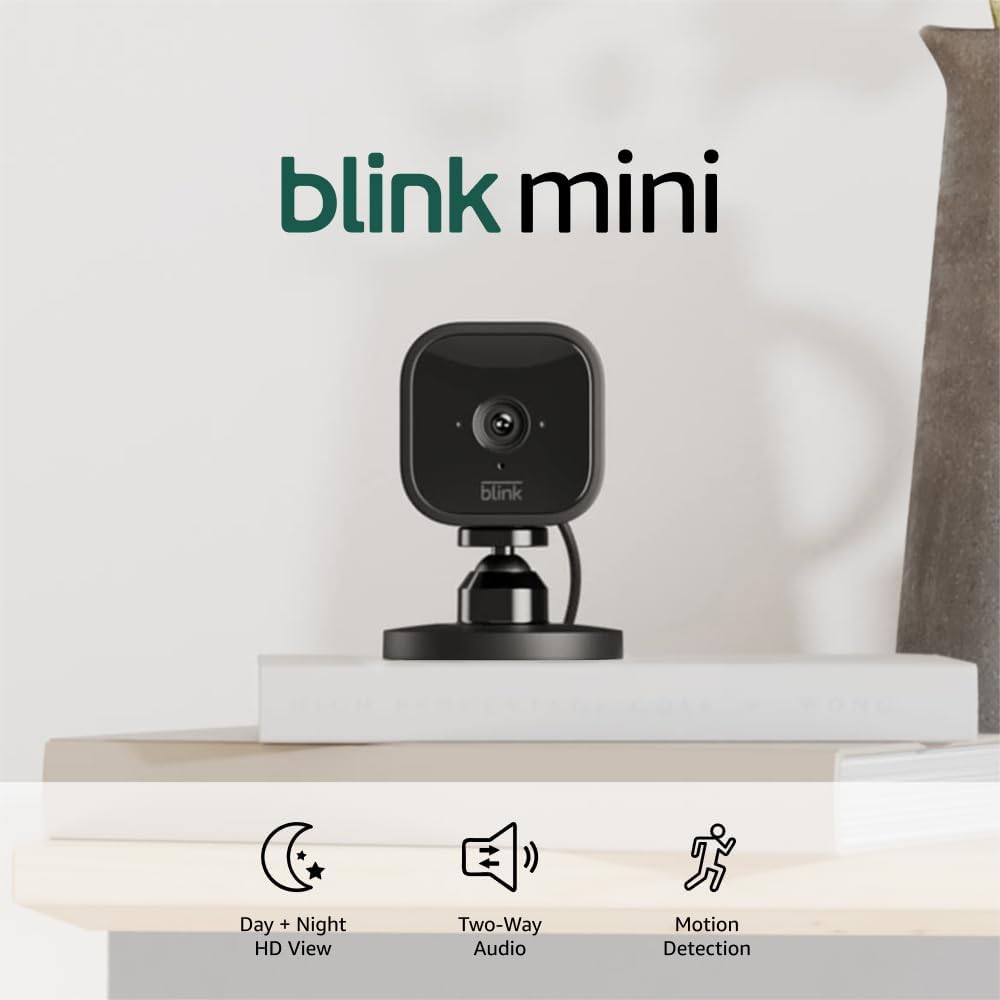
Blink Mini - Compact indoor plug-in smart security camera...
As an Amazon Associate we earn from qualifying purchases.

