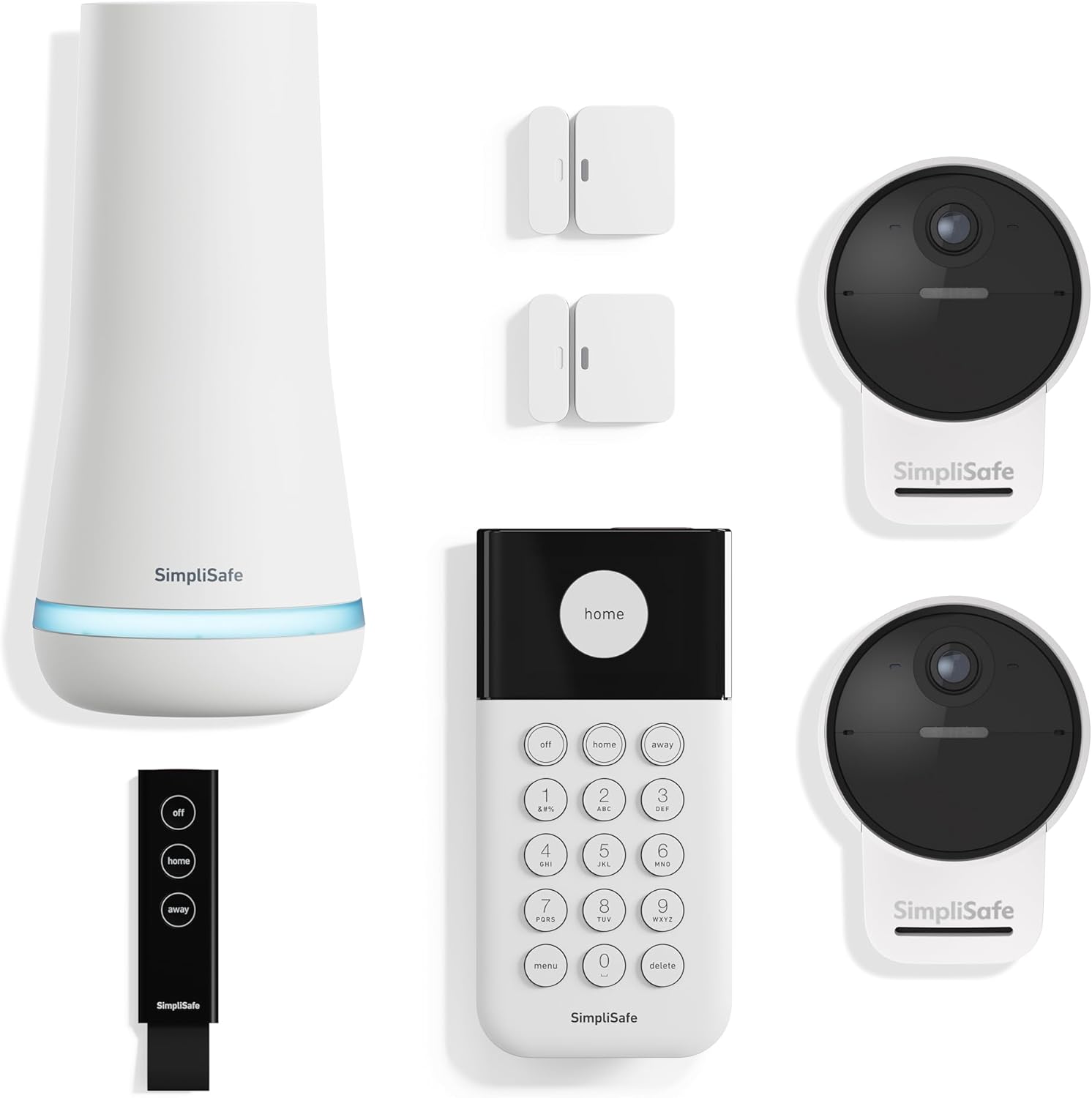
Where Should I Place My SimpliSafe Water Sensor?
- Placed too high to catch early water
- Not at the lowest point where water pools
- Probes not in contact with the floor
Problem Description
You want to know where to place your SimpliSafe water sensor for best leak detection. Place sensors at the highest-risk locations — under the water heater, behind the washing machine, under the kitchen sink, next to the sump pump, and near bathroom fixtures. The water sensor has two metal contact probes on the bottom that detect water when both probes touch a wet surface. Place it flat on the floor.
Why This Happens in Real Homes
The SimpliSafe Water Sensor triggers when water bridges the metal probes on its underside, so placement is everything — it has to sit at the lowest point where a leak would actually pool, flat so the probes contact the floor. Placed on a shelf or too high, water reaches the room before it reaches the sensor.
Start by putting sensors right at the base of the risks — beside the water heater, under the sink, behind the washing machine, near a sump — flat on the floor with clean probes. Confirm each is within base range, and use several sensors if you have multiple leak-prone spots, since one only watches where it sits.
Symptoms
- Where to place the water sensor
- No leak alert
- Sensor missed a leak
- Placement questions
- False water alerts
- Sensor out of range
- Will not detect water
- Slow to alert
Recognize these? Here's what usually causes it.
Common Causes
- Placed too high to catch early water
- Not at the lowest point where water pools
- Probes not in contact with the floor
- Out of base-station range
- Placed where it never gets wet
- Low battery
- Debris on the probes
- Wrong location for the risk
Most fixes happen in the first 3 steps.
Do not rely solely on smart sensors for life-safety alerts like smoke or carbon monoxide detection. Always maintain dedicated code-compliant smoke and CO detectors. Smart water leak sensors can alert you but cannot stop a leak so know where your water shut-off valve is located.
Tools & Requirements
These tools will help you complete this fix.

As an Amazon Associate we earn from qualifying purchases.
Step-by-Step Solution
Place sensors at the highest-risk locations
The SimpliSafe Water Sensor triggers when water contacts the metal probes on its bottom. Place sensors flat on the floor at locations where leaks are most likely: next to the water heater, under the kitchen sink, behind the washing machine, near the dishwasher, under bathroom sinks, and near the sump pump in the basement. These are the most common sources of water damage in homes.
Position the sensor correctly
The sensor must sit flat on the floor with its probes touching the surface. It detects water when liquid bridges the gap between the two metal probes on the bottom. Do not place it on carpet — the carpet absorbs water before it reaches the probes, delaying detection. On carpeted floors, place the sensor on a small tile or plastic plate that water can pool on.
The sensor works in all system modes
The Water Sensor is always active, whether the SimpliSafe system is armed or disarmed. Water emergencies do not follow your security schedule. The sensor sends an alert to the base station immediately upon detecting water, regardless of system mode. With professional monitoring, the monitoring center is notified and contacts you.
Test the sensor
Place the sensor in a shallow dish of water (about 1/4 inch deep) so the probes are submerged. The sensor should trigger an alert in the SimpliSafe app within 1-2 minutes. If it does not trigger, check the battery and verify the sensor is enrolled in the system. Dry the sensor thoroughly after testing. Test each sensor every 6 months to confirm it is working.
Consider multiple sensors for full coverage
Water damage can happen at any plumbing fixture. A single sensor protects one location. For thorough coverage, use sensors at the water heater, washing machine, under each sink, and in the basement. Each sensor operates independently and reports its named location in the app, so you know exactly where the leak is. At roughly $20 per sensor, full coverage is inexpensive compared to the cost of water damage repair.
Quick Solutions
Still having issues? This is usually the deeper cause below.
If this comes back after following these steps, check whether a recent app or firmware update reset a default setting — the fix works, but the setting gets reverted silently.
Pair motion sensors with smart lights to create automatic lighting that turns on when you enter a room and off after a few minutes of no motion. This is one of the simplest and most useful smart home automations you can set up.
This issue almost always looks more complex than it is — the majority of cases trace back to a single setting, a stale credential, or a default that shipped wrong.
- Placed too high to catch early water
- Not at the lowest point where water pools
- Probes not in contact with the floor
- Out of base-station range
- Placed where it never gets wet
Before you go — try one of these (they fix most cases).
Most popular upgrades chosen by SimpliSafe Water Sensor owners.
As an Amazon Associate we earn from qualifying purchases.
Official Manufacturer Manual
SimpliSafe provides official product documentation through their online manual rather than downloadable PDF. Access setup guides, troubleshooting steps, and product specifications for your SimpliSafe Water Sensor.
Source: support.simplisafe.com
Need More Help? SimpliSafe Support
Note: The contact information below connects you directly to SimpliSafe's official customer support team, not Trunetto. They can help with warranty claims, device replacements, and advanced technical issues.
How Does SimpliSafe Compare?
Before replacing your SimpliSafe device, see how it stacks up against alternatives in our full comparison guides.
Accessories owners commonly pair with SimpliSafe Water Sensor.

Blink Mini - Compact indoor plug-in smart security camera...
Blink Mini - Compact indoor plug-in smart security camera...
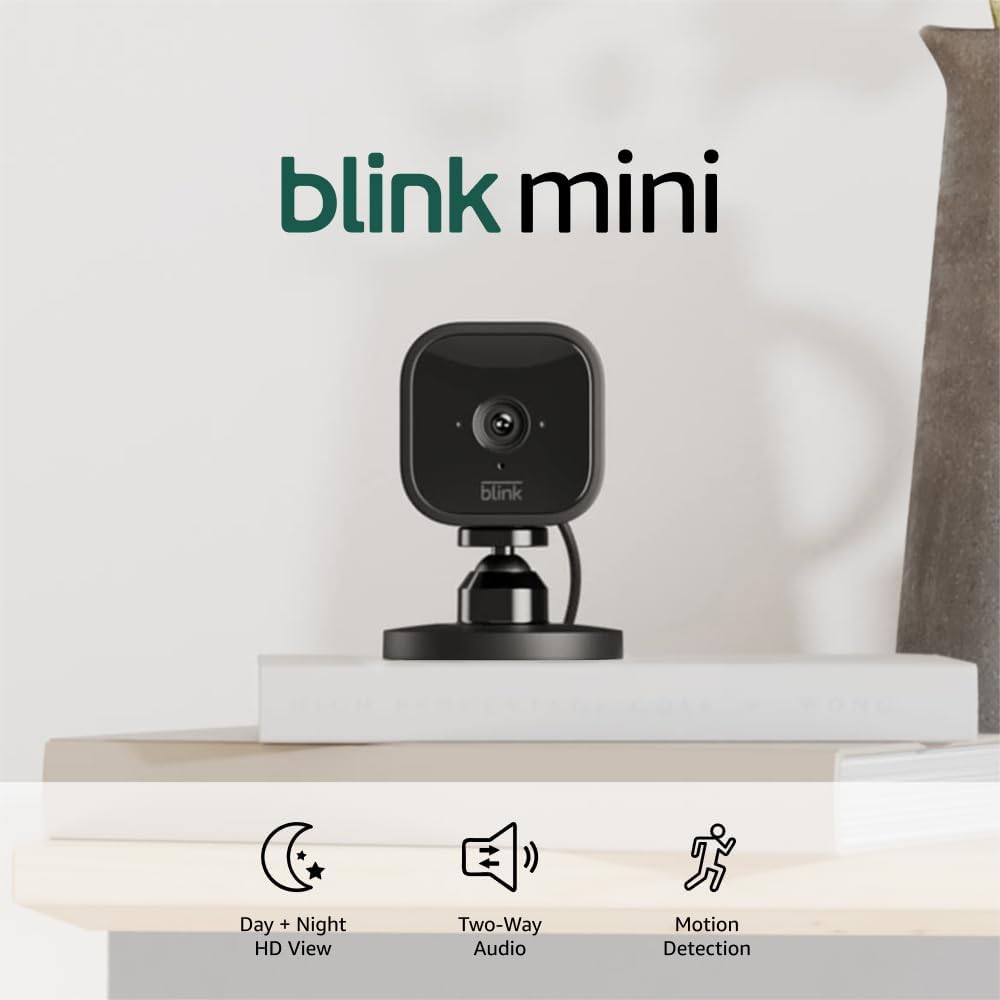
Blink Mini - Compact indoor plug-in smart security camera...
As an Amazon Associate we earn from qualifying purchases.