

What Does Nest Thermostat Error E74 Mean and How Do I Fix No Power to Rh
- 24V Rh power interrupted at control board
- Condensate float switch opened safety circuit
- Low-voltage fuse blown on air handler board
Problem Description
Nest Error E74 indicates no power detected on the Rh wire, which can stop heating or cooling control and leave the thermostat offline. Users often see intermittent HVAC behavior before the code appears. The root issue is usually low-voltage circuit interruption, float switch trip, blown fuse, or wiring loosened at the air handler.
Why This Happens in Real Homes
E74 is a "no power to the Rh wire" code, and its most common real-world cause is a condensate float switch cutting the low-voltage circuit — the same safety that protects against an overflowing drain pan also kills Rh power, so the Nest loses heating-side power and can drop offline. A blown control-board fuse or a loose Rh wire does the same.
Start by clearing the condensate drain and resetting the float, then check the control-board fuse and reseat the Rh wire at both ends. Meter the board's 24V output under a call — if it sags, the transformer or a loose connection is failing and it's time for an HVAC pro.
Symptoms
- Error E74 appears on thermostat screen
- System stops heating or cooling suddenly
- Nest goes offline or enters delay mode
- HVAC fan behavior becomes inconsistent
- Manual setpoint changes do not engage HVAC
- Issue repeats after temporary restart
Recognize these? Here's what usually causes it.
Common Causes
- 24V Rh power interrupted at control board
- Condensate float switch opened safety circuit
- Low-voltage fuse blown on air handler board
- Rh wire loosened at thermostat terminal
- Corrosion at HVAC low-voltage connections
- Transformer output dropped under load
Most fixes happen in the first 3 steps.
Turn off HVAC power before touching low-voltage terminals. Live miswiring can blow board fuses and turn a minor wiring issue into a larger repair.
Tools & Requirements
These tools will help you complete this fix.

Multimeter
Klein Tools 80196 Digital Multimeter Kit with Case, ...

Phillips screwdriver
Klein Tools 85076 Screwdriver Set, Made in USA, Slot...
As an Amazon Associate we earn from qualifying purchases.
Step-by-Step Solution
Confirm Thermostat Error State
Document when E74 appears and whether cooling, heating, or both are affected. Intermittent power faults can appear only during specific calls. Knowing the trigger context helps isolate whether Rh power is dropping under load, versus a constant open circuit that would fail immediately on every demand.
Inspect Air Handler Safety Interrupts
Turn system power off, then check condensate drain status and float switch position. A tripped float switch is a frequent E74 cause because it intentionally breaks low-voltage control power to prevent overflow damage. Clear drain blockage and reset the switch path before assuming thermostat wiring failure.
Check Low-Voltage Fuse and Wiring
Locate the control board fuse in the air handler or furnace and replace only with correct rating if blown. Inspect Rh conductor at board and thermostat terminals for loose seating or damaged copper. Even slight looseness can cause intermittent E74 during compressor or fan startup vibration.
Measure 24V Transformer Output
Using a multimeter, verify stable low-voltage output at control board terminals. If voltage sags significantly during call attempts, transformer or downstream loads may be compromised. Stable 24V with persistent E74 points back to wiring path continuity rather than source generation at the HVAC control board.
Needed for this step
Klein Tools 80196 Digital Multimeter Kit with C...
This helps complete the fix you are currently reading.
$46.15Re-test System Calls Safely
After corrections, restore power and test heating and cooling calls separately. Monitor for E74 recurrence across multiple cycles, not just initial recovery. If fault returns, escalate to licensed HVAC service for deeper diagnostics on control board, safety circuit, and transformer integrity under real operating load.
Quick Solutions
Still having issues? This is usually the deeper cause below.
If drain continues after replacing batteries, check the event history — a stuck-open sensor or rapid polling loop burns through batteries in days.
If E74 appears mostly during cooling season, always inspect drain and float safety circuits first. Those are among the most common real-world Rh interruptions.
Thermostat issues that keep returning are often caused by stale backup-battery memory holding old settings across power cycles without the user realising.
- 24V Rh power interrupted at control board
- Condensate float switch opened safety circuit
- Low-voltage fuse blown on air handler board
- Rh wire loosened at thermostat terminal
- Corrosion at HVAC low-voltage connections
Before you go — try one of these (they fix most cases).
Most popular upgrades chosen by Google Nest Thermostat owners.

Google Nest Thermostat Trim Kit - Made for the Nest Therm...

Google Nest Thermostat Trim Kit - Made for the Nest Therm...

Google Nest Thermostat - Smart Thermostat for Home - Prog...
As an Amazon Associate we earn from qualifying purchases.
Official Manufacturer Manual
Google Nest provides official product documentation through their online manual rather than downloadable PDF. Access setup guides, troubleshooting steps, and product specifications for your Google Nest Thermostat.
Source: google.com
Need More Help? Google Nest Support
Note: The contact information below connects you directly to Google Nest's official customer support team, not Trunetto. They can help with warranty claims, device replacements, and advanced technical issues.
How Does Google Nest Compare?
Before replacing your Google Nest device, see how it stacks up against alternatives in our full comparison guides.
Accessories owners commonly pair with Google Nest Thermostat.

Ring Rechargeable Quick Release Battery Pack
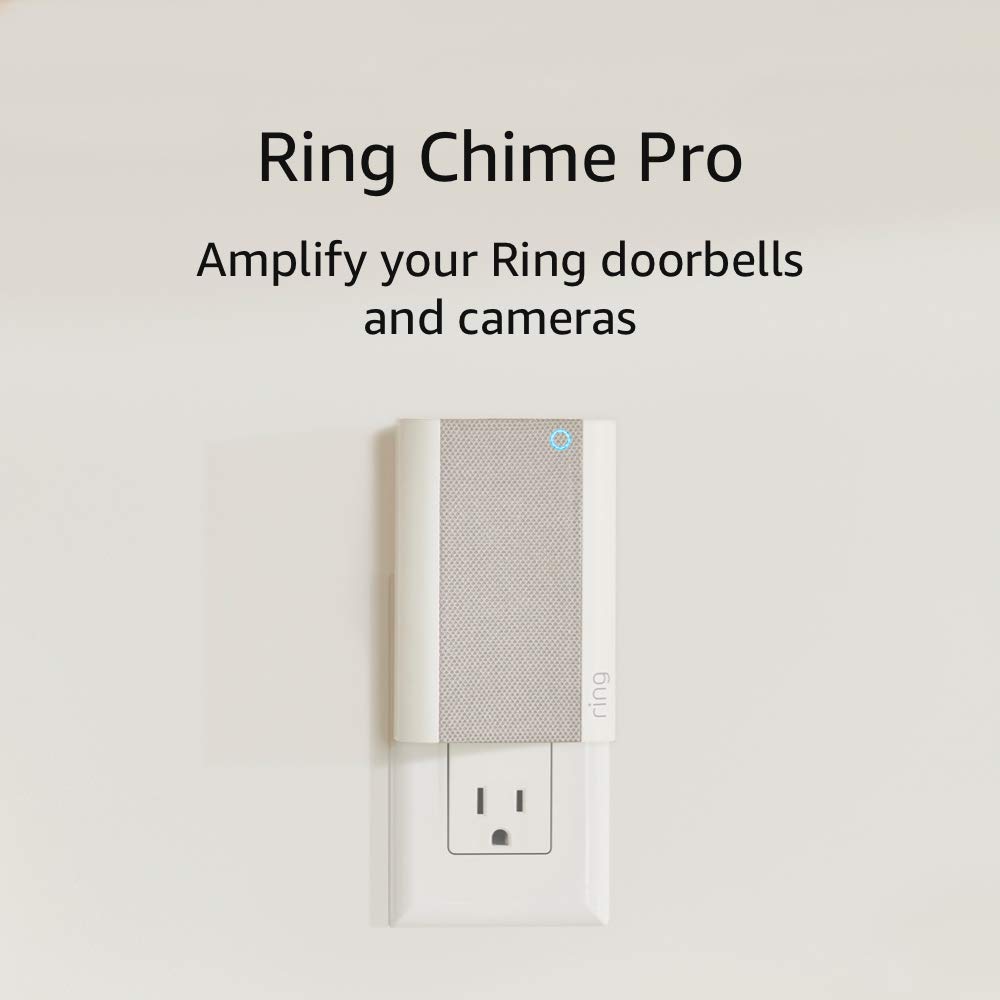
Ring Chime Pro

SwitchBot Hub Mini Smart Remote - IR Universal Remote, Wi...
As an Amazon Associate we earn from qualifying purchases.


