

Why Does My LiftMaster 8550WLB WiFi Disconnect After Every Power Outage
- Opener WiFi module losing its saved credentials on power loss
- Router changing IP or channel after the outage
- Brief power flickers corrupting the WiFi config
Problem Description
Your LiftMaster 8550WLB garage door opener loses its WiFi connection after every power outage and requires manual reconnection through the MyQ app. The opener motor works fine for local operation but remote access and notifications stop working until you go through WiFi setup again.
Why This Happens in Real Homes
The 8550WLB has battery backup for the motor (the LB), but its WiFi module has no such protection, so every outage forces it to renegotiate with the router, and if the router is not ready or has changed, the opener cannot rejoin on its own. The most common pattern is a race: the router takes longer to boot than the opener, so the opener tries to reach a network that is not up yet and gives up. Two fixes address the root cause rather than the symptom: reserve a static IP for the opener so its address survives the outage, and pin the router 2.4GHz channel so it does not land somewhere new on reboot. A small UPS on the router smooths the brief flickers that would otherwise trigger the whole dance. The motor working locally after an outage is expected, since myQ is a cloud convenience layer, so the door still opens from the wall button and remote while the WiFi sorts itself out, and a firmware update from the myQ app clears the power-recovery bugs some units have.
Symptoms
- WiFi disconnects every time the power goes out
- myQ app shows the opener offline after an outage
- Must re-enter the WiFi password after each outage
- Opener works locally but not remotely after an outage
- WiFi LED shows disconnected after power is restored
- Some outages cause a disconnect while others do not
- Opener rejoins WiFi only after a manual myQ re-setup
- WiFi LED stays off while the motor still runs from the wall button
Recognize these? Here's what usually causes it.
Common Causes
- Opener WiFi module losing its saved credentials on power loss
- Router changing IP or channel after the outage
- Brief power flickers corrupting the WiFi config
- Router boots slower than the opener, so the connect attempt fails
- DHCP reservation not holding after the outage
- Router firmware auto-update changed the security type or channel
- WPA3-only security the opener cannot join
- Opener firmware bug in power recovery
Most fixes happen in the first 3 steps.
Do not attempt to access the internal WiFi module board. There are no user-serviceable parts inside the motor housing. Accessing it voids your warranty and creates electrical hazard risk.
Tools & Requirements
Step-by-Step Solution
Update Opener Firmware
LiftMaster periodically releases firmware updates that fix WiFi stability issues. Open the MyQ app, go to your opener settings, and check for firmware updates. If available, install the update when you will not need to use the garage for 15 minutes. Updated firmware often improves power recovery behavior.
Create DHCP Reservation on Router
Your router may assign a different IP address to the opener after power is restored, causing connection issues. Log into your router and find the DHCP Reservation or Static DHCP section. Add an entry for your LiftMaster using its MAC address (found in opener WiFi settings) and assign a permanent IP.
Reset WiFi Module
On the opener motor unit, locate the WiFi setup button. Press and hold it until the WiFi LED blinks. Open the MyQ app and go through WiFi setup fresh. Sometimes the module needs a clean reconfiguration to store credentials properly. After setup, test by temporarily cutting power and verifying reconnection.
Check Router Boot Time
If your router takes a long time to fully boot after power is restored, the opener may try to connect before the network is ready and fail. Some routers have quick boot settings. Alternatively, add a delay before the opener attempts to reconnect by briefly unplugging the opener and letting router fully stabilize first.
Consider UPS Backup
A small uninterruptible power supply can keep your opener and router powered through brief outages and voltage fluctuations. This prevents the disconnect issue entirely. A basic UPS that handles 200-300 watts is sufficient for a garage door opener and will also protect against voltage spikes.
Quick Solutions
Still having issues? This is usually the deeper cause below.
This usually happens right after a router reboot or ISP change — the device rejoins the network but drops its cloud session silently.
After any WiFi reconfiguration, test remote operation from outside your home network (turn off WiFi on your phone and use cellular) to confirm the opener is truly accessible remotely.
Most WiFi drop-offs happen right after a router reboot or ISP swap — the device reconnects to the network but silently loses its cloud registration.
- Opener WiFi module losing its saved credentials on power
- Router changing IP or channel after the outage
- Brief power flickers corrupting the WiFi config
- Router boots slower than the opener, so the connect
- DHCP reservation not holding after the outage
Before you go — try one of these (they fix most cases).
Most popular upgrades chosen by LiftMaster Elite Series owners.

As an Amazon Associate we earn from qualifying purchases.
Official Manufacturer Manual
LiftMaster provides official product documentation through their online manual rather than downloadable PDF. Access setup guides, troubleshooting steps, and product specifications for your LiftMaster Elite Series.
Source: liftmaster.com
Need More Help? LiftMaster Support
Note: The contact information below connects you directly to LiftMaster's official customer support team, not Trunetto. They can help with warranty claims, device replacements, and advanced technical issues.
Accessories owners commonly pair with LiftMaster Elite Series.

Blink Mini - Compact indoor plug-in smart security camera...
Blink Mini - Compact indoor plug-in smart security camera...
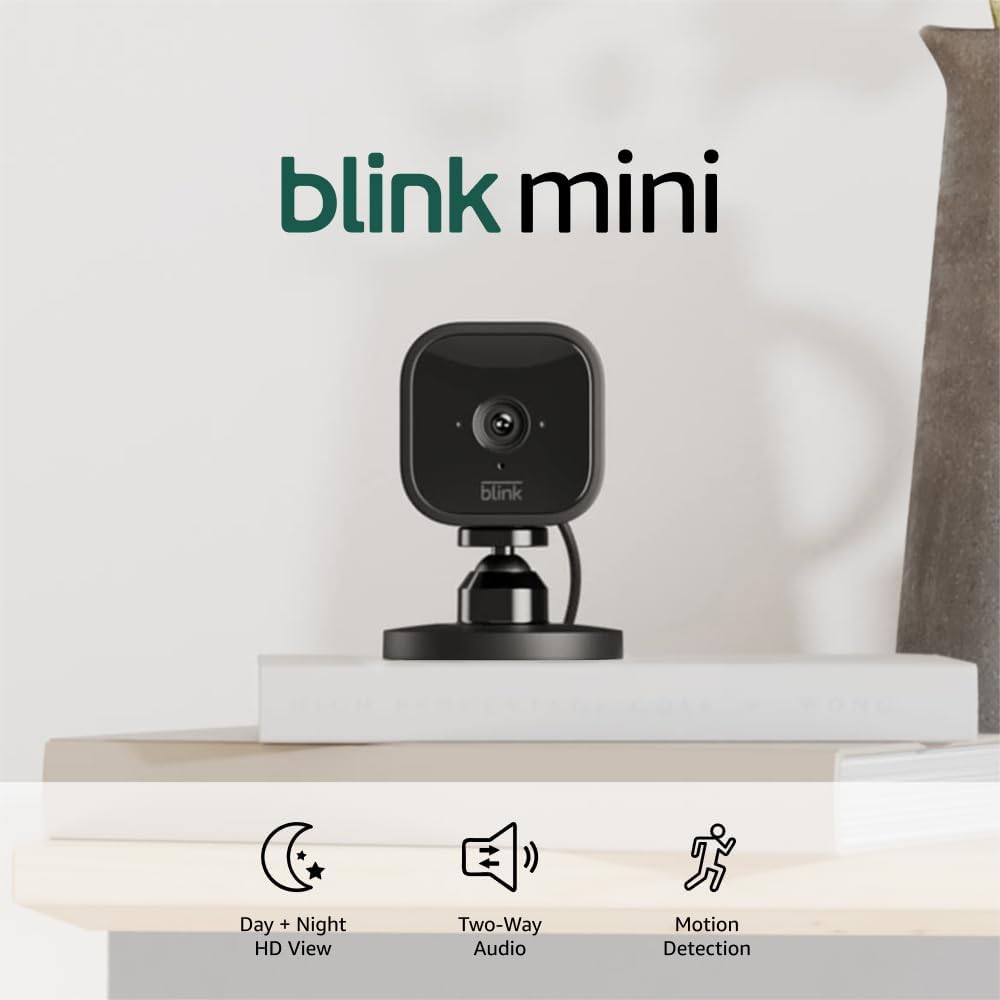
Blink Mini - Compact indoor plug-in smart security camera...
As an Amazon Associate we earn from qualifying purchases.
