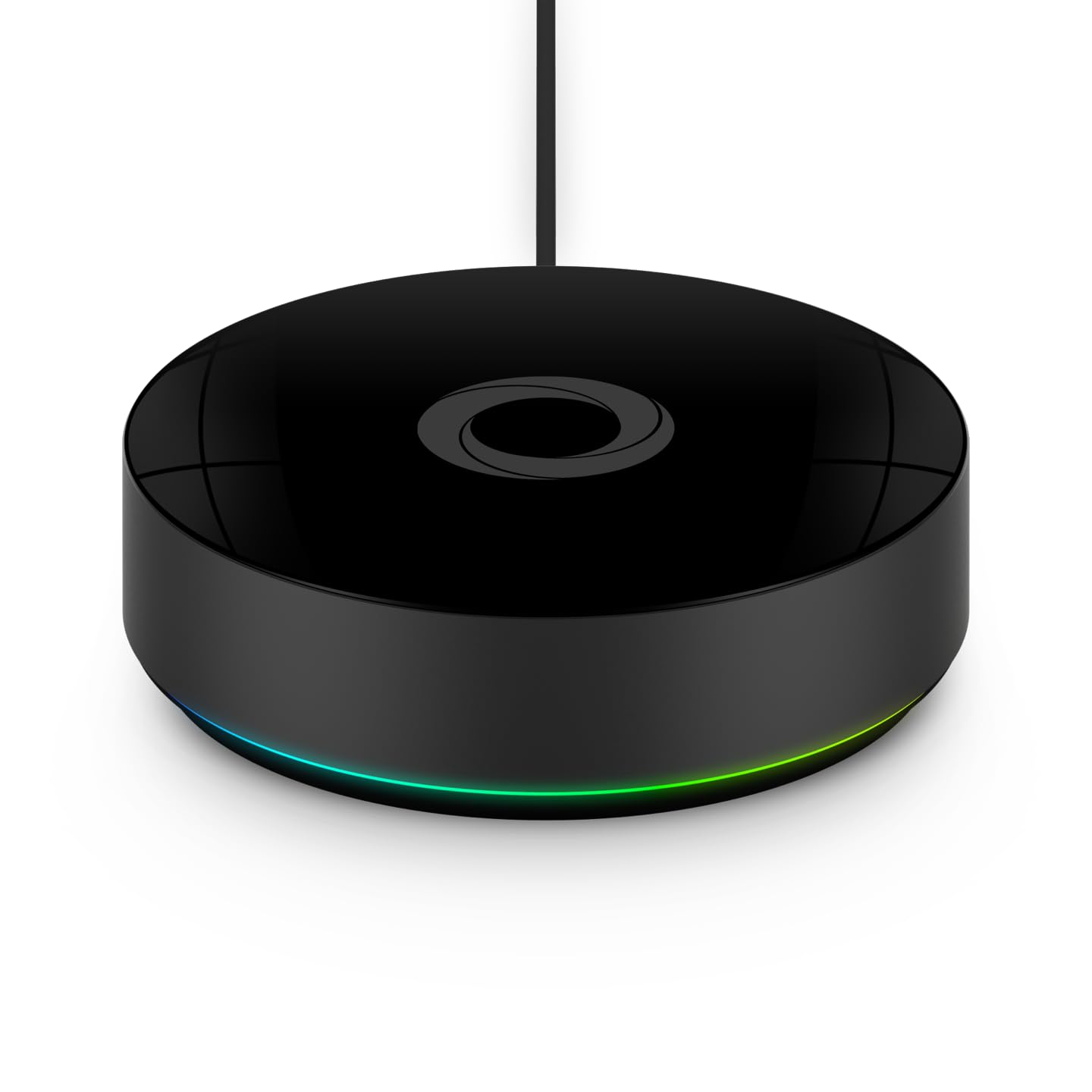

Why Does My LiftMaster myQ Home Bridge Keep Losing Its HomeKit Connection?
- Bridge DHCP IP address changing after a router reboot
- HomeKit pairing record corrupted by a bridge firmware update
- Apple Home Hub device offline, preventing bridge authentication
Problem Description
Your LiftMaster myQ Home Bridge repeatedly loses its HomeKit connection, causing the garage door to show as No Response in the Apple Home app. You must regularly remove and re-add the bridge from HomeKit to restore control. The myQ Home Bridge uses HomeKit over WiFi and loses its pairing when the bridge IP address changes or when the HomeKit pairing record becomes corrupted on the bridge firmware.
Why This Happens in Real Homes
The myQ Home Bridge shows up in Apple Home as a garage door, and its recurring No Response is almost always a HomeKit session or networking drift rather than a dead bridge, with the giveaway being that the myQ app itself still opens the door fine while only HomeKit fails. The most durable fix is to stop the bridge's IP from moving: give it a DHCP reservation and extend the lease, because HomeKit loses the pairing when the address changes after a router reboot. Beyond that, HomeKit reliability depends on the Apple Home hub (a HomePod or Apple TV) staying online and reachable on the same flat network, so keep the bridge and hub off separate VLANs and reboot the hub before the bridge when it drops. Some of this is on Apple's side: certain iOS and tvOS updates changed how HomeKit maintains sessions and caused bridges to drop until a re-add, so keep the bridge firmware current through the myQ app and do not assume the hardware failed when a re-pair keeps bringing it back.
Symptoms
- Garage door shows No Response in the Apple Home app
- Siri commands to open or close the garage say the device is not responding
- HomeKit automation using the garage door fails silently
- myQ Home Bridge was working then disappeared from the Home app
- Re-adding the bridge fixes it temporarily but it disconnects again
- HomePod or Apple TV acting as Home Hub shows the bridge offline
- No Response returns within days of each re-add
- Only HomeKit fails while the myQ app still controls the door
Recognize these? Here's what usually causes it.
Common Causes
- Bridge DHCP IP address changing after a router reboot
- HomeKit pairing record corrupted by a bridge firmware update
- Apple Home Hub device offline, preventing bridge authentication
- Bridge at the edge of WiFi range causing intermittent drops
- myQ Home Bridge firmware HomeKit session stability bug
- Router DHCP lease too short, causing frequent IP reassignment
- An iOS or tvOS update changed HomeKit session handling (a known regression)
- Two Apple Home hubs contending over which relays to the bridge
Most fixes happen in the first 3 steps.
Do not attempt to pair the myQ Home Bridge to two separate HomeKit homes. The bridge only supports a single HomeKit home pairing and attempting to add it to a second home corrupts the existing pairing.
Tools & Requirements
Step-by-Step Solution
Assign a Static IP to the Bridge
Log into your router admin panel and go to DHCP Reservations or Address Reservation. Find the myQ Home Bridge using its MAC address printed on the label on the bridge bottom. Assign it a fixed IP address outside the dynamic DHCP range such as 192.168.1.200. Save the reservation and restart the bridge. With a static IP the bridge always gets the same address after any reboot eliminating the most common cause of HomeKit connection loss where the Home Hub cannot find the bridge at its new IP.
Reset HomeKit Pairing and Re-Add Bridge
In the Apple Home app tap and hold the garage door accessory then go to Settings and scroll to the bottom to find Remove Accessory. Remove the bridge from HomeKit. On the myQ Home Bridge, press the small reset button on the side of the bridge (near the Ethernet port) with a paperclip to clear the HomeKit pairing record. Open the Apple Home app and tap the plus icon to Add Accessory. Scan the HomeKit code on the bridge label. Complete the pairing process. After re-adding with a static IP the connection is significantly more stable.
Update myQ Home Bridge Firmware
Open the myQ app and go to the myQ Home Bridge device settings. Look for a firmware update notification. Install any available update. LiftMaster has released several myQ Home Bridge firmware versions that address HomeKit session stability issues. After updating the bridge will reboot and reconnect to HomeKit within 3 minutes. Verify the garage door shows as available in the Apple Home app after the firmware update completes.
Verify Apple Home Hub Is Online
The myQ Home Bridge communicates with HomeKit through an Apple Home Hub which must be an Apple TV, HomePod, or iPad configured as a Home Hub. Open the Apple Home app and go to Home Settings then Home Hubs and Bridges. Verify the listed Home Hub shows as Connected. If it shows as Not Responding restart the Home Hub device. Without an active Home Hub the bridge cannot authenticate its HomeKit session and will periodically show as offline.
Move Bridge Closer to Router
The myQ Home Bridge maintains a persistent WiFi connection for HomeKit. A weak WiFi signal causes intermittent disconnections that HomeKit registers as the bridge going offline. Move the bridge to within 5 metres of your router or nearest WiFi access point. If cable routing prevents this add a WiFi extender in the garage. After repositioning test HomeKit connectivity for 24 hours to confirm the disconnections have stopped before considering other causes.
Quick Solutions
Still having issues? This is usually the deeper cause below.
If the hub reconnects then drops every few minutes, check for an IP conflict — two devices sharing the same DHCP address fight each other continuously.
After stabilising the HomeKit connection create an iPhone automation in the Home app to notify you if the garage door is left open for more than 10 minutes. This uses the reliable local HomeKit notification rather than the myQ cloud alert.
Hub disconnections that cycle repeatedly are almost always IP conflicts — two devices fighting over the same DHCP lease after a router restart.
- Bridge DHCP IP address changing after a router reboot
- HomeKit pairing record corrupted by a bridge firmware update
- Apple Home Hub device offline, preventing bridge authentication
- Bridge at the edge of WiFi range
- myQ Home Bridge firmware HomeKit session stability bug
Before you go — try one of these (they fix most cases).
Most popular upgrades chosen by LiftMaster myQ Home Bridge owners.

LiftMaster 880LM Smart Control Panel Security + 2.0 for Y...

LiftMaster 882LMW - ONLY Compatible with Security+ 2.0 Li...
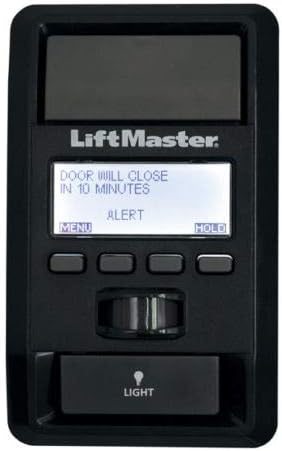
Liftmaster 880LMW Smart Control Panel (1)
As an Amazon Associate we earn from qualifying purchases.
Official Manufacturer Manual
LiftMaster provides official product documentation through their online manual rather than downloadable PDF. Access setup guides, troubleshooting steps, and product specifications for your LiftMaster myQ Home Bridge.
Source: liftmaster.com
Need More Help? LiftMaster Support
Note: The contact information below connects you directly to LiftMaster's official customer support team, not Trunetto. They can help with warranty claims, device replacements, and advanced technical issues.
Accessories owners commonly pair with LiftMaster myQ Home Bridge.

Amazon Smart Plug, Works with Alexa, Simple Setup, Endles...

TP-Link WiFi Extender with Ethernet Port, Dual Band 5GHz/...

Kasa Smart Plug, Matter Compatible, Energy Monitoring, Co...
As an Amazon Associate we earn from qualifying purchases.