

How to Reconnect LiftMaster myQ to a New WiFi Network or Router
- myQ device still holding the old WiFi credentials
- New SSID or password never entered into the opener
- Phone on 5GHz while myQ needs a 2.4GHz network
Problem Description
You changed your internet provider, bought a new router, or updated your WiFi name or password, and now your LiftMaster shows offline in the myQ app. The garage door still opens fine from the wall button and remotes, but remote control, notifications, and voice or HomeKit integrations have stopped. A LiftMaster opener or myQ hub stores a single WiFi network, so when that network changes it cannot reconnect until you update its WiFi settings.
Why This Happens in Real Homes
Every time someone gets a new router or changes their WiFi password, the smart garage goes quiet, and it catches people off guard because the door itself still works. The reason is simple: a myQ opener or hub stores one network, and it has no way to guess your new password, so it sits there trying the old one and reports offline. The fix is to walk it onto the new network in the myQ app, and the single most important detail is the band. myQ is 2.4GHz-only, and modern routers love to hide 2.4 and 5GHz behind one name and steer your phone to 5GHz, which then hands the opener a network it cannot join. Getting your phone onto a real 2.4GHz SSID before you start prevents the most common failure. And if it links during setup but drops afterward, that is not a myQ bug, it is the garage being the weakest corner of the house, which a mesh node fixes far better than repeating the pairing.
Symptoms
- myQ app shows the opener or hub offline after a router change
- Door works locally but not from the app
- Stopped working after changing WiFi name or password
- Stopped after switching internet providers
- New mesh system installed and myQ will not reconnect
- Notifications and voice control no longer work
- Opener WiFi LED not solid after the network change
- Cannot control the door away from home
Recognize these? Here's what usually causes it.
Common Causes
- myQ device still holding the old WiFi credentials
- New SSID or password never entered into the opener
- Phone on 5GHz while myQ needs a 2.4GHz network
- New router uses WPA3-only or band steering
- 2.4GHz band disabled or hidden on the new router
- Weak 2.4GHz signal at the garage from the new router
- Guest network or VLAN isolating the myQ device
- DHCP settings changed, dropping the device
Most fixes happen in the first 3 steps.
The door will keep operating from the wall button and remotes throughout this process. Keep the door path clear when you test remote open and close commands, especially from the app when you cannot see the door.
These tools will help you complete this fix.
As an Amazon Associate we earn from qualifying purchases.
Step-by-Step Solution
Understand What Changed
A LiftMaster myQ opener or Smart Garage Hub remembers exactly one WiFi network. When you change the network name, password, router, or internet provider, the device keeps trying the old settings and shows offline. The door still works locally because myQ is only the cloud layer; you just need to point the device at the new network.

Needed for this step
Amazon eero 6+ mesh wifi system with 1 month fr...
This helps complete the fix you are currently reading.
$239.99Get Your Phone on 2.4GHz
myQ devices connect on 2.4GHz WiFi only. Before you start, join your phone to the 2.4GHz network (not the 5GHz one). On many routers both bands share one name, so temporarily create or enable a separate 2.4GHz SSID to be sure the device and phone are on the right band.
Open the myQ App WiFi Settings
In the myQ app, open the device, go to its settings, and look for a WiFi or network option to update the network. If your model does not offer an in-place change, remove the device from the account instead and add it again fresh, which walks you through WiFi setup from scratch.
Put the Device in Pairing Mode
To re-add, put the device into WiFi setup mode. On a built-in-WiFi opener, press the WiFi/Learn button (the WiFi LED blinks amber to show it is ready). On a myQ Smart Garage Hub, hold its button until the LED indicates setup mode. The app will then detect the device's temporary setup network.
Select the New Network
Choose your new 2.4GHz network in the app and enter the password carefully, watching for autocorrect and special characters. Use WPA2 or WPA2/WPA3-mixed security, since a WPA3-only network or band steering that forces 5GHz will block the connection.
Confirm It Comes Online
After it joins, the WiFi LED should go solid and the app should show the device online within a minute. Open and close the door once from the app to confirm remote control is restored.
Fix Weak Garage Signal
If it connects during setup but drops offline afterward, the new router's 2.4GHz signal is too weak at the garage. Add a mesh node or extender toward the garage rather than repeating the setup, since the garage is usually the farthest, most shielded spot in the house.
Relink Voice and HomeKit
A network change can break linked services. If you use Alexa, Google, or a myQ Home Bridge for HomeKit, re-check those integrations and re-authorize them if needed. Reserving a DHCP IP for the myQ device keeps its address stable so future router reboots do not knock it offline.
Quick Solutions
Still having issues? This is usually the deeper cause below.
This usually happens right after a router reboot or ISP change — the device rejoins the network but drops its cloud session silently.
Before you swap routers, if you can, keep the new WiFi name and password the same as the old one and the myQ device may reconnect on its own with no reconfiguration. When that is not possible, updating myQ is the last step of any router change.
Most WiFi drop-offs happen right after a router reboot or ISP swap — the device reconnects to the network but silently loses its cloud registration.
- myQ device still holding the old WiFi credentials
- New SSID or password never entered into the opener
- Phone on 5GHz while myQ needs a 2.4GHz network
- New router uses WPA3-only or band steering
- 2.4GHz band disabled or hidden on the new router
Before you go — try one of these (they fix most cases).
Official Manufacturer Manual
LiftMaster provides official product documentation through their online manual rather than downloadable PDF. Access setup guides, troubleshooting steps, and product specifications for your LiftMaster Garage Door Opener.
Source: liftmaster.com
Need More Help? LiftMaster Support
Note: The contact information below connects you directly to LiftMaster's official customer support team, not Trunetto. They can help with warranty claims, device replacements, and advanced technical issues.
Accessories owners commonly pair with LiftMaster Garage Door Opener.

Blink Mini - Compact indoor plug-in smart security camera...
Blink Mini - Compact indoor plug-in smart security camera...
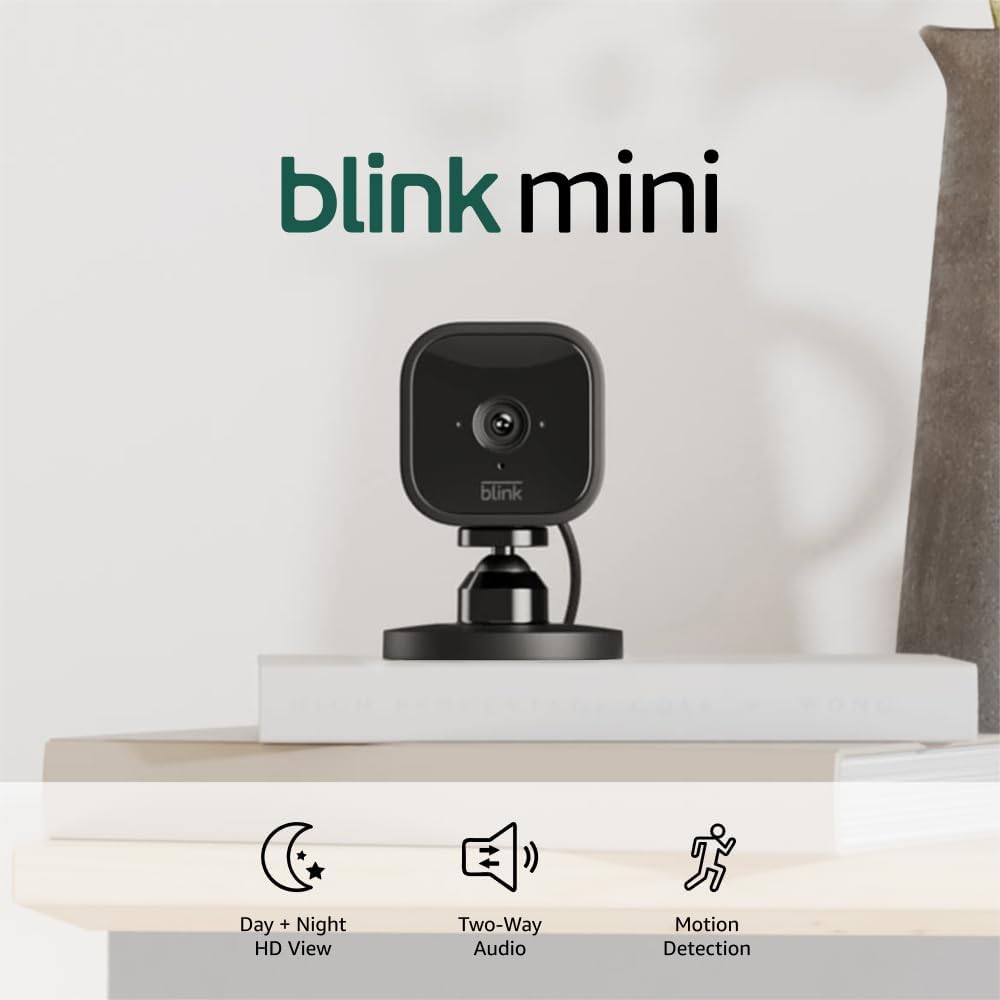
Blink Mini - Compact indoor plug-in smart security camera...
As an Amazon Associate we earn from qualifying purchases.

