

Why Does My LiftMaster Garage Door Open by Itself? How to Stop It
- A myQ schedule, rule, or geofence triggering the door
- Stuck or shorted wall-button wire (staples, moisture, damage)
- A remote with a jammed button in a car, bag, or drawer
Problem Description
Your LiftMaster garage door opens or closes on its own without anyone pressing a button. It may happen at random times, at the same time each day, or only in wet weather. A garage door that operates itself is a security and safety concern, and the cause is almost always one of a short list: a myQ schedule or automation, a stuck or shorted wall-button circuit, a jammed remote, or on very old openers a neighbor sharing the same code.
Why This Happens in Real Homes
A garage door that opens itself feels spooky, but it is always doing what something told it to, and the job is finding the something. On a myQ opener the activity log usually cracks the case in seconds, because it labels every open with its source, and the answer is very often a schedule or geofence the owner set months ago and forgot. When the log shows nothing, the physical world takes over, and the most common culprit is the wall-button wiring: those two low-voltage wires only need a momentary short to mimic a press, which is why the textbook version of this problem is a door that opens whenever it rains and water bridges a nicked wire. After that, look for a remote with a jammed button lost in a car or bag. Genuinely old openers add one more possibility, a neighbor on the same fixed dip-switch code, which is exactly the vulnerability that rolling-code Security+ 2.0 openers were designed to end. Because a self-operating door is a real hazard, secure it while you diagnose.
Symptoms
- Door opens or closes with no one pressing a button
- Happens at the same time each day
- Happens at random unpredictable times
- Occurs more in rain or damp weather
- Door opens shortly after you close it
- myQ notifications show activity you did not start
- Only started after installing a new wall button or remote
- Neighbors operate their opener and yours moves
Recognize these? Here's what usually causes it.
Common Causes
- A myQ schedule, rule, or geofence triggering the door
- Stuck or shorted wall-button wire (staples, moisture, damage)
- A remote with a jammed button in a car, bag, or drawer
- Wall button physically sticking or failing
- Very old opener sharing a dip-switch code with a neighbor
- Lost or extra remotes still programmed to the opener
- Failing logic board sending spurious commands
- In-car HomeLink button held or misprogrammed
Most fixes happen in the first 3 steps.
A door that operates on its own is a safety hazard to people, pets, and vehicles beneath it. Until the cause is found and fixed, engage the opener manual lock or unplug it when the garage is unattended, and never leave the area under a door that has moved unexpectedly.
Tools & Requirements
These tools will help you complete this fix.

Screwdriver
STREBITO 155 in 1 Electric Screwdriver Set, Small El...

Electrical tape or insulated staples
3M Scotch Vinyl Electrical Tape Super 88, 3/4 in x 4...
As an Amazon Associate we earn from qualifying purchases.
Step-by-Step Solution
Check the myQ Activity Log First
If your opener is myQ-connected, open the app and look at the activity log. It records what triggered each open or close, whether a schedule, an automation, a geofence, the app, or a physical button. This single step often solves the mystery, since a forgotten schedule or a geofence set to your phone is a frequent cause of doors that open at predictable times or when you arrive home.
Disable Unintended Automations
Turn off any myQ schedules, rules, Smart Actions, or geofence-based automations you did not deliberately set. Also check Key by Amazon in-garage delivery and any linked routines in Alexa or Google, which can open the door on a trigger you forgot about.
Suspect the Wall-Button Wiring
The wall control runs on a low-voltage circuit, and if those two thin wires are stapled too tight, nicked, pinched, or wet, a momentary short reads exactly like a button press. This is the classic cause of a door that opens in the rain or at random. Inspect the full wire run for damage and moisture, and re-secure it loosely with insulated staples.
Needed for this step
3M Scotch Vinyl Electrical Tape Super 88, 3/4 i...
This helps complete the fix you are currently reading.
$7.88Rule Out a Jammed Remote
A remote with a stuck button, buried in a bag, a car console, or a junk drawer, will keep sending open commands. Gather every remote and check none has a depressed or sticky button. A visor remote or in-car HomeLink button pressed by a bag on the seat does the same thing.
Isolate the Trigger by Elimination
To find the culprit, disconnect suspects one at a time. Unplug the opener and reconnect with the wall button wires removed; if the phantom operation stops, the wall circuit is the cause. Reconnect it and remove remotes from service one by one until the behavior stops.
Clear and Re-learn Remotes
To eliminate a lost, stolen, or extra remote that is still programmed, press and hold the opener Learn button until the LED goes out (about 6 seconds), which erases ALL remotes and keypad codes. Then re-learn only the remotes and keypad you currently use, so nothing rogue can operate the door.
Address Old Shared-Code Openers
Openers made before the mid-1990s use fixed dip-switch codes, and a neighbor with the same switch pattern can operate your door. If you have a very old opener and the door moves when a neighbor uses theirs, change the dip switches or, better, upgrade to a modern Security+ 2.0 opener whose rolling code changes every use.
Consider the Logic Board
If the activity log shows opens with no source, the wiring is sound, no remote is stuck, and the codes are cleared, a failing logic board can send spurious commands. At that point the board or opener needs service. Until it is fixed, unplug the opener when you are away and use the manual lock for security.
Quick Solutions
Still having issues? This is usually the deeper cause below.
If this comes back after following these steps, check whether a recent app or firmware update reset a default setting — the fix works, but the setting gets reverted silently.
Use the myQ activity log as your detective tool: match the timestamps of unexpected opens to schedules, arrivals, or weather. A door that opens only when it rains is wet wiring; a door that opens at 6 p.m. daily is a schedule.
This issue almost always looks more complex than it is — the majority of cases trace back to a single setting, a stale credential, or a default that shipped wrong.
- A myQ schedule, rule, or geofence triggering the door
- Stuck or shorted wall-button wire (staples, moisture, damage)
- A remote with a jammed button in a car,
- Wall button physically sticking or failing
- Very old opener sharing a dip-switch code with a
Before you go — try one of these (they fix most cases).
Official Manufacturer Manual
LiftMaster provides official product documentation through their online manual rather than downloadable PDF. Access setup guides, troubleshooting steps, and product specifications for your LiftMaster Garage Door Opener.
Source: liftmaster.com
Need More Help? LiftMaster Support
Note: The contact information below connects you directly to LiftMaster's official customer support team, not Trunetto. They can help with warranty claims, device replacements, and advanced technical issues.
Accessories owners commonly pair with LiftMaster Garage Door Opener.

Blink Mini - Compact indoor plug-in smart security camera...
Blink Mini - Compact indoor plug-in smart security camera...
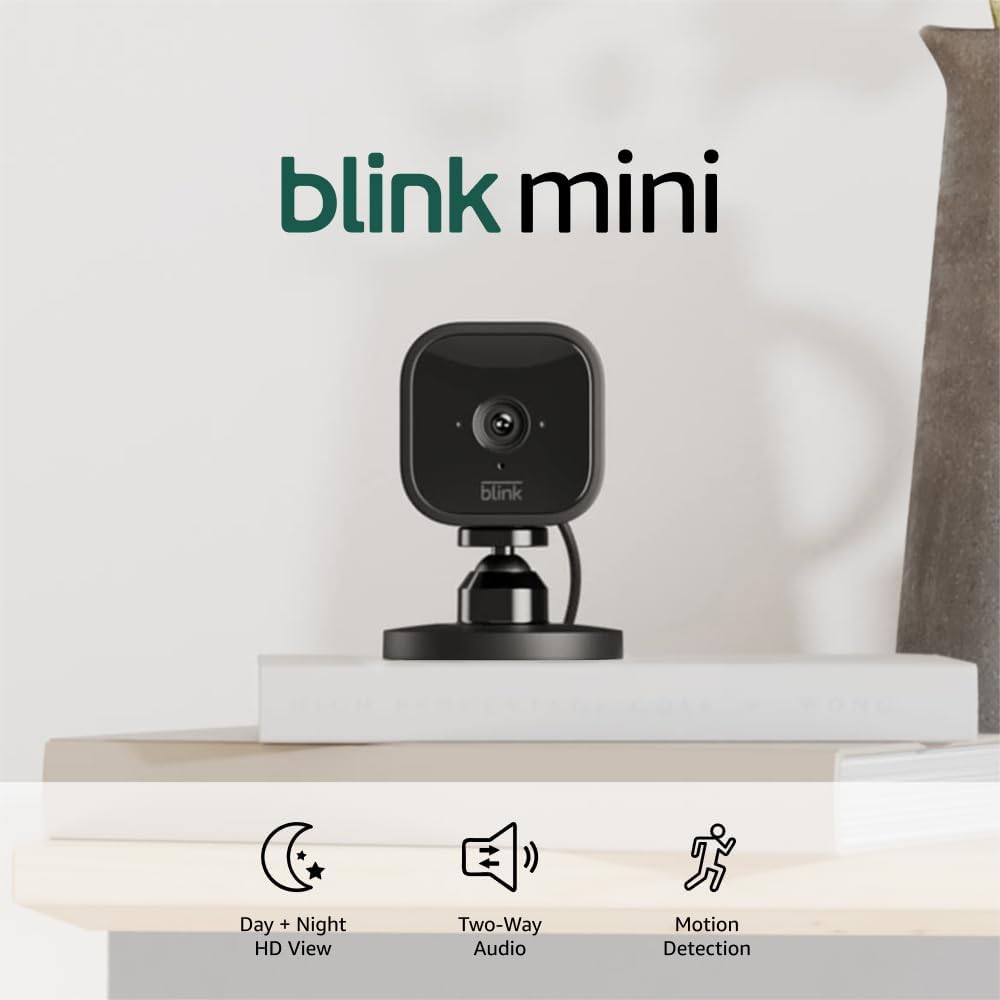
Blink Mini - Compact indoor plug-in smart security camera...
As an Amazon Associate we earn from qualifying purchases.

