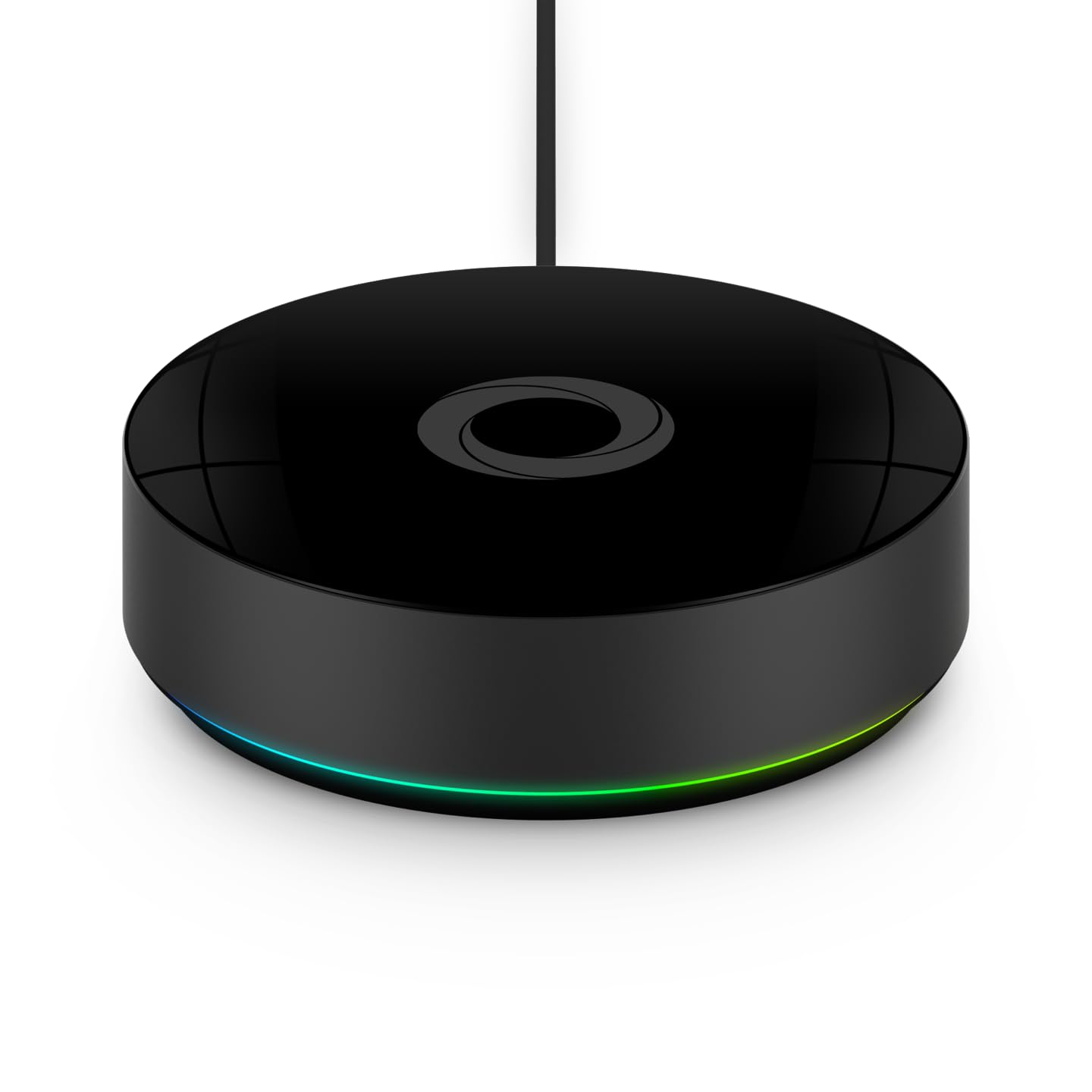
Why Is My Echo Hub Not Controlling Zigbee Devices
- Zigbee radio disabled in settings
- Device too far from Echo Hub
- Zigbee channel interference from WiFi
Problem Description
Your Echo Hub has a built-in Zigbee radio but Zigbee devices either fail to pair or stop responding after pairing. The Echo Hub acts as a Zigbee coordinator — if the built-in hub feature is disabled in settings, no Zigbee device can connect regardless of how many pairing attempts you make. The most common causes are the hub radio being turned off, the Zigbee device still registered to another hub, or a channel conflict between Zigbee and your 2.4GHz WiFi network.
Why This Happens in Real Homes
The Echo Hub has a built-in Zigbee radio, but Zigbee devices won't work if the radio is disabled, the devices are out of range, or they were never joined to the hub. It's a smart-home hub, so devices must be paired to it specifically.
Start by confirming the Zigbee radio/hub is enabled in the Alexa app and joining each Zigbee device in pairing mode near the hub. Range matters — mains-powered Zigbee devices repeat the mesh, so a distant sensor may need one in between. Devices paired to a different hub won't respond to the Echo Hub.
Symptoms
- Zigbee devices not discovered
- Paired devices not responding
- Alexa says device not found
- Zigbee bulbs flicker but do not control
- Some Zigbee devices work others do not
- Devices worked before but stopped
Recognize these? Here's what usually causes it.
Common Causes
- Zigbee radio disabled in settings
- Device too far from Echo Hub
- Zigbee channel interference from WiFi
- Device already paired to another hub
- Zigbee mesh network weak
- Device not compatible with Echo Zigbee
Most fixes happen in the first 3 steps.
Do not pair more than 30 Zigbee devices directly to Echo Hub. For larger installations use a dedicated Zigbee hub like Hue Bridge or SmartThings.
These tools will help you complete this fix.
As an Amazon Associate we earn from qualifying purchases.
Step-by-Step Solution
Enable Built-In Zigbee Hub in Alexa App
Open the Alexa app, tap Devices, find your Echo Hub, and tap Settings. Look for Smart Home Hub or Built-In Zigbee Hub and confirm it is enabled. If this toggle is off, the Zigbee radio is completely inactive and no device can pair regardless of proximity. This setting is off by default on some firmware versions and may have been reset after an Echo Hub update.

Needed for this step
Rollerhouse AM25MEL Smart WiFi Blinds Motor for...
This helps complete the fix you are currently reading.
$82.39Factory Reset the Zigbee Device Before Pairing
A Zigbee device previously paired to another hub stores that hub's network key and will not join a new hub without being reset first. Reset procedures vary: most smart bulbs reset by turning power on and off 5 times in quick succession until they flash. Zigbee sensors typically have a small reset button that requires a pin for 5 seconds. Confirm the device is in a fully unclaimed state before starting discovery.
Pair Within 10 Feet of the Echo Hub
Bring the Zigbee device to within 10 feet of the Echo Hub for the initial pairing. The first connection exchange is more sensitive to signal strength than regular operation. After pairing is confirmed in the Alexa app, you can move the device to its permanent location. Zigbee mesh devices like plugs and bulbs will extend the network, improving reach to distant sensors.
Check for Zigbee and WiFi Channel Conflict
Zigbee and 2.4GHz WiFi share the same radio spectrum and can interfere with each other. Zigbee channels 15, 20, and 25 have the least overlap with common WiFi channels 1, 6, and 11. In Echo Hub settings check which Zigbee channel is in use. If your WiFi and Zigbee are on overlapping channels, switching the Zigbee channel reduces interference and improves reliability for all Zigbee devices.
Add Zigbee Repeaters to Extend Mesh Coverage
Battery-powered Zigbee sensors are end devices — they do not repeat signals. If a sensor is far from the Echo Hub with no mains-powered Zigbee devices between them, add a Zigbee smart plug or bulb in the gap. Mains-powered Zigbee devices automatically act as signal repeaters. Every additional repeater extends the mesh and improves reliability for all devices beyond it.
Quick Solutions
Still having issues? This is usually the deeper cause below.
If the hub reconnects then drops every few minutes, check for an IP conflict — two devices sharing the same DHCP address fight each other continuously.
Zigbee devices from major brands like Philips Hue Sengled and Aqara work best with Echo Zigbee hub. Some cheap Tuya Zigbee devices have compatibility issues.
Hub disconnections that cycle repeatedly are almost always IP conflicts — two devices fighting over the same DHCP lease after a router restart.
- Zigbee radio disabled in settings
- Device too far from Echo Hub
- Zigbee channel interference from WiFi
- Device already paired to another hub
- Zigbee mesh network weak
Before you go — try one of these (they fix most cases).
Most popular upgrades chosen by Amazon Echo Hub owners.

As an Amazon Associate we earn from qualifying purchases.
Official Manufacturer Manual
Amazon provides official product documentation through their online manual rather than downloadable PDF. Access setup guides, troubleshooting steps, and product specifications for your Amazon Echo Hub.
Source: amazon.com
Need More Help? Amazon Support
Note: The contact information below connects you directly to Amazon's official customer support team, not Trunetto. They can help with warranty claims, device replacements, and advanced technical issues.
How Does Amazon Compare?
Before replacing your Amazon device, see how it stacks up against alternatives in our full comparison guides.
Accessories owners commonly pair with Amazon Echo Hub.

Amazon Basics 65 Piece Home Repair Tool Kit Set With Carr...

Amazon Basics Smart Plug, Matter Compatible, Compatible w...

Amazon Basics Dual Smart Plug with Motion Sensor and Nigh...
As an Amazon Associate we earn from qualifying purchases.