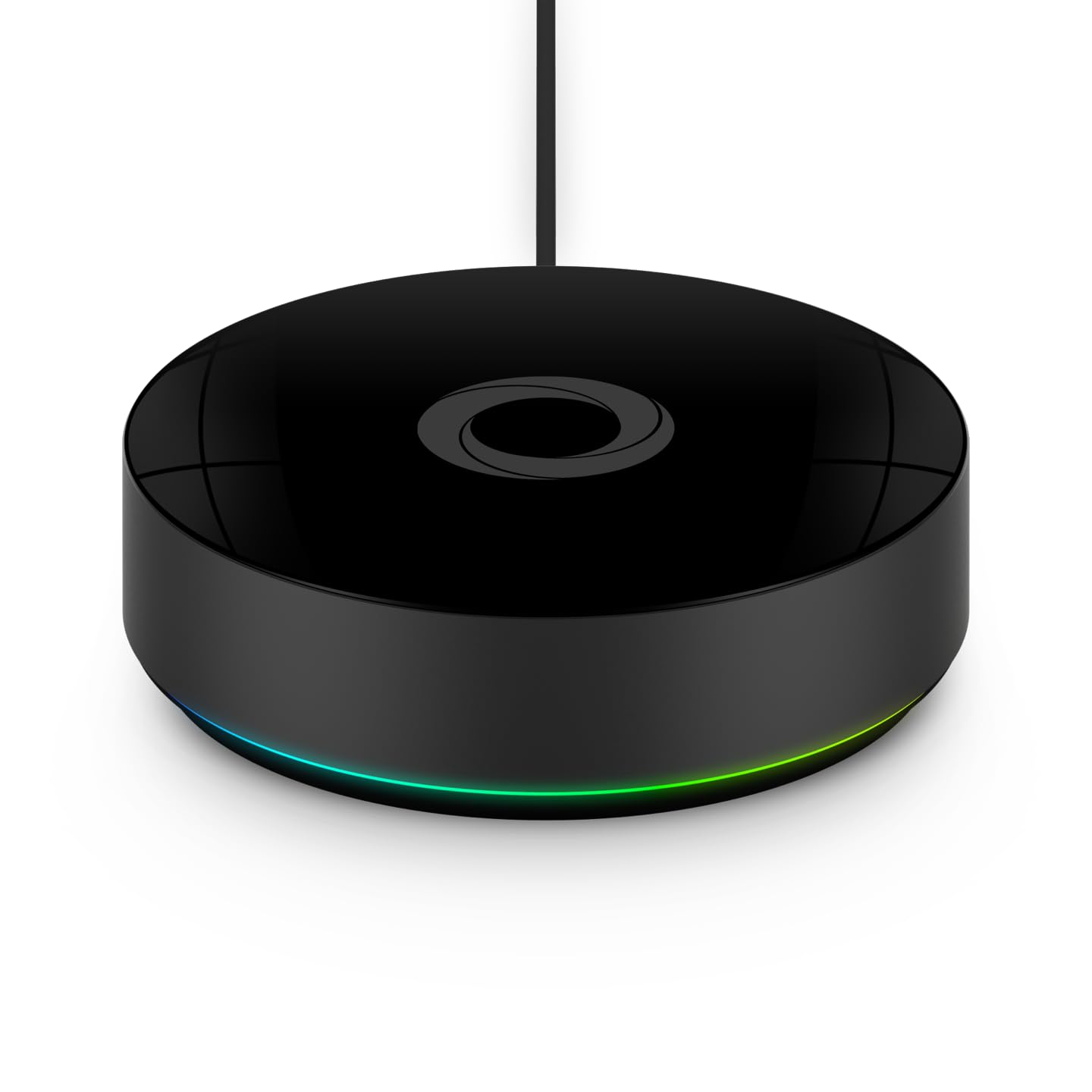

Why Is My Wyze Sense Hub Sensor Range So Short?
- Hub placed low, in a corner, or in a cabinet
- Thick walls, brick, or metal between hub and sensors
- Hub near the WiFi router or other electronics
Problem Description
Your Wyze Sense Hub sensors have shorter range than expected. The Wyze Sense Hub communicates with motion sensors and contact sensors via a sub-GHz radio (not WiFi or Bluetooth). Range is typically 500 feet in open air but walls, floors, and metal objects reduce it significantly. Concrete and brick walls cut range the most. This guide covers range factors and hub placement for best coverage.
Why This Happens in Real Homes
The Wyze Sense Hub talks to its sensors over a proprietary sub-GHz radio, which travels well but still loses range to walls, metal, and poor hub placement. A hub tucked low in a corner or inside a cabinet, or sitting right next to your WiFi router, gives noticeably shorter, less reliable range.
Start by moving the hub to a central, elevated, open spot away from other electronics and large metal appliances. Replace low sensor batteries (weak cells transmit weaker), and avoid mounting sensors flat on metal, which detunes their little antennas. For big homes, hub placement is the biggest lever you have.
Symptoms
- Sensors have shorter range than expected
- Distant sensors drop offline
- Sensors unreliable through walls
- Range worse than advertised
- Edge sensors disconnect
- Interference suspected
- Hub placement questions
- Weak sensor signal
Recognize these? Here's what usually causes it.
Common Causes
- Hub placed low, in a corner, or in a cabinet
- Thick walls, brick, or metal between hub and sensors
- Hub near the WiFi router or other electronics
- Sensor battery low, weakening transmission
- Large home exceeding sub-GHz range
- Hub near large metal appliances
- Sensor mounted directly on metal
- Too many obstructions
Most fixes happen in the first 3 steps.
Do not rely solely on smart sensors for life-safety alerts like smoke or carbon monoxide detection. Always maintain dedicated code-compliant smoke and CO detectors. Smart water leak sensors can alert you but cannot stop a leak so know where your water shut-off valve is located.
Tools & Requirements
These tools will help you complete this fix.

As an Amazon Associate we earn from qualifying purchases.
Step-by-Step Solution
Understand how the Wyze Sense Hub communicates
The Wyze Sense Hub communicates with Wyze sensors (motion, contact, keypad, climate) via a proprietary sub-GHz radio signal — not WiFi or Bluetooth. This gives it a longer range than Bluetooth (up to 500 feet in open air) but walls, floors, and metal objects reduce range significantly. The hub connects to your WiFi router for cloud access, and sensors connect wirelessly to the hub. If a sensor shows offline, it is likely out of range of the hub.
Check sensor range in the Wyze app
In the Wyze app, tap the Sense Hub, then tap an individual sensor. Check the signal strength indicator (if shown). If signal is weak or the sensor shows intermittent offline status, the sensor is at the edge of the hub range. The practical indoor range through walls is 100-200 feet, depending on wall construction. Concrete, brick, and metal walls reduce range drastically — a sensor separated from the hub by two concrete walls may not connect at all.
Move the hub to a central location
Place the Wyze Sense Hub in a central location relative to all your sensors. Plugging it into an outlet on the main floor, in a central hallway, gives the best coverage. Avoid placing the hub in a metal cabinet, behind a TV, or in a basement corner. If most of your sensors are upstairs, move the hub to the upper floor. The hub must be within WiFi range of your router (it connects via WiFi), so find a balance between central sensor coverage and WiFi signal.
Test range before permanently mounting sensors
Before mounting contact or motion sensors in their final locations, temporarily place them and monitor connectivity for 24 hours. Watch the event log in the Wyze app — if a sensor triggers events consistently without gaps, the range is adequate. If events are missing or delayed, the sensor is too far. Hold a contact sensor in the proposed location, separate the two pieces to trigger an event, and check the app to see if it registers. Move the sensor closer to the hub if it does not.
Extend range with hub placement or additional hubs
If you have a large home and sensors at the far edges drop offline, you have two options. First, relocate the hub closer to the problem sensors (may require a WiFi extender if the hub moves too far from the router). Second, add a second Wyze Sense Hub — each hub operates independently with its own sensor set, but they all appear in the same Wyze app. You cannot pair a single sensor to two hubs. Assign sensors to the nearest hub for the best signal.
Quick Solutions
Still having issues? This is usually the deeper cause below.
If the hub reconnects then drops every few minutes, check for an IP conflict — two devices sharing the same DHCP address fight each other continuously.
Pair motion sensors with smart lights to create automatic lighting that turns on when you enter a room and off after a few minutes of no motion. This is one of the simplest and most useful smart home automations you can set up.
Hub disconnections that cycle repeatedly are almost always IP conflicts — two devices fighting over the same DHCP lease after a router restart.
- Hub placed low, in a corner, or in a
- Thick walls, brick, or metal between hub and sensors
- Hub near the WiFi router or other electronics
- Sensor battery low, weakening transmission
- Large home exceeding sub-GHz range
Before you go — try one of these (they fix most cases).
Official Manufacturer Manual
Wyze provides official product documentation through their online manual rather than downloadable PDF. Access setup guides, troubleshooting steps, and product specifications for your Wyze Sense Hub.
Source: support.wyze.com
Need More Help? Wyze Support
Note: The contact information below connects you directly to Wyze's official customer support team, not Trunetto. They can help with warranty claims, device replacements, and advanced technical issues.
How Does Wyze Compare?
Before replacing your Wyze device, see how it stacks up against alternatives in our full comparison guides.