
How Do I Set Up Spatial Audio on the Echo Studio?
- Spatial audio not enabled
- Content not encoded in spatial/Atmos
- Service not delivering spatial tracks
Problem Description
You want to set up spatial audio (Dolby Atmos) on your Echo Studio. Spatial audio creates an immersive 3D sound experience using the Studio's 5-speaker array. Not all Echo Studio models support spatial audio — check your model in the Alexa app. Spatial audio also requires compatible content from Amazon Music, Apple Music, or Dolby Atmos-enabled content.
Why This Happens in Real Homes
Spatial audio (including Dolby Atmos) on the Echo Studio needs two things: the feature enabled, and content actually mixed in spatial audio — ordinary stereo tracks won't magically become 3D. All Studio generations support it, so a "not working" spatial usually means the setting is off or the track isn't spatial.
Start by enabling spatial audio in the device settings and playing spatial- or Atmos-tagged content from a supporting service, then position the Studio out from walls and corners so it can image the effect. Balance volume and EQ so the spatial cues aren't buried; placement and the right content are what make it convincing.
Symptoms
- Spatial/Atmos not working
- No 3D effect
- Which content supports it
- Setup unclear
- Effect weak
- Placement affecting it
- Stereo pair and spatial
- Feature not enabled
Recognize these? Here's what usually causes it.
Common Causes
- Spatial audio not enabled
- Content not encoded in spatial/Atmos
- Service not delivering spatial tracks
- Poor placement for imaging
- Volume/EQ masking it
- Stereo pair behavior
- Firmware out of date
- Expecting it on all music
Most fixes happen in the first 3 steps.
Smart speakers are always listening for the wake word when unmuted. Review and delete your voice history regularly in the app privacy settings. Never place the speaker in bathrooms or near water sources as moisture can permanently damage internal components.
Tools & Requirements
Step-by-Step Solution
Check that your Echo Studio supports spatial audio
All Echo Studio models (1st and 2nd generation) support spatial audio, including Dolby Atmos and Sony 360 Reality Audio. Make sure the speaker firmware is up to date — open the Alexa app, select your Echo Studio, go to About, and check the software version. Updates install automatically overnight when the device is idle. If the firmware is outdated, the spatial audio option may not appear in settings.
Enable spatial audio processing
Open the Alexa app, go to Devices, select your Echo Studio, and tap Audio Settings. Toggle on Spatial Audio Processing. This setting does two things: it decodes natively spatial content (Dolby Atmos, 360 Reality Audio) correctly, and it upmixes standard stereo content to fill the room using the multi-directional drivers. Even regular stereo music sounds wider and more immersive with this enabled.
Play Dolby Atmos content
Say "Alexa, play Dolby Atmos music" to hear a curated playlist of Atmos-mixed tracks on Amazon Music. Look for the "Dolby Atmos" badge on albums and songs in the Amazon Music app. Popular Atmos albums include works by The Weeknd, Billie Eilish, and The Beatles (remixed catalogue). Atmos tracks use the upward-firing tweeter to create height effects — instruments appear to come from above and around you, not just from the speaker.
Optimise speaker placement for spatial effects
The upward-firing tweeter bounces sound off the ceiling, so flat ceilings at standard 8-9 foot height work best. Vaulted, sloped, or very high ceilings reduce the height effect. Position the Studio at ear level on a hard surface, 6-12 inches from the wall. Do not put anything on top of the speaker or cover the upward-firing driver. The room calibration system adapts to your room, but placement within these guidelines gives it the best starting point.
Pair two Studios for full spatial stereo
A single Echo Studio creates spatial audio from one point. Two paired Studios create a genuinely immersive spatial field with distinct left-right separation plus the height channel from each speaker. In the Alexa app, go to one Studio settings, select Create Stereo Pair, and choose the second. Place them 6-8 feet apart at the same height, both aimed toward your listening position. Both must be the same generation. Atmos content on a stereo Studio pair is the best audio experience Amazon offers.
Quick Solutions
Still having issues? This is usually the deeper cause below.
If this comes back after following these steps, check whether a recent app or firmware update reset a default setting — the fix works, but the setting gets reverted silently.
Place your speaker in a central location at ear height for best voice pickup. Avoid corners and bookshelves which muffle the microphones. If you have multiple speakers, set up multi-room audio groups so music plays in sync across rooms.
This issue almost always looks more complex than it is — the majority of cases trace back to a single setting, a stale credential, or a default that shipped wrong.
- Spatial audio not enabled
- Content not encoded in spatial/Atmos
- Service not delivering spatial tracks
- Poor placement for imaging
- Volume/EQ masking it
Before you go — try one of these (they fix most cases).
Most popular upgrades chosen by Amazon Echo Studio owners.

Amazon eero Pro 6E mesh wifi router (1-pack) with Amazon ...

Amazon Echo Dot Kids (newest model) - Dragon including Am...
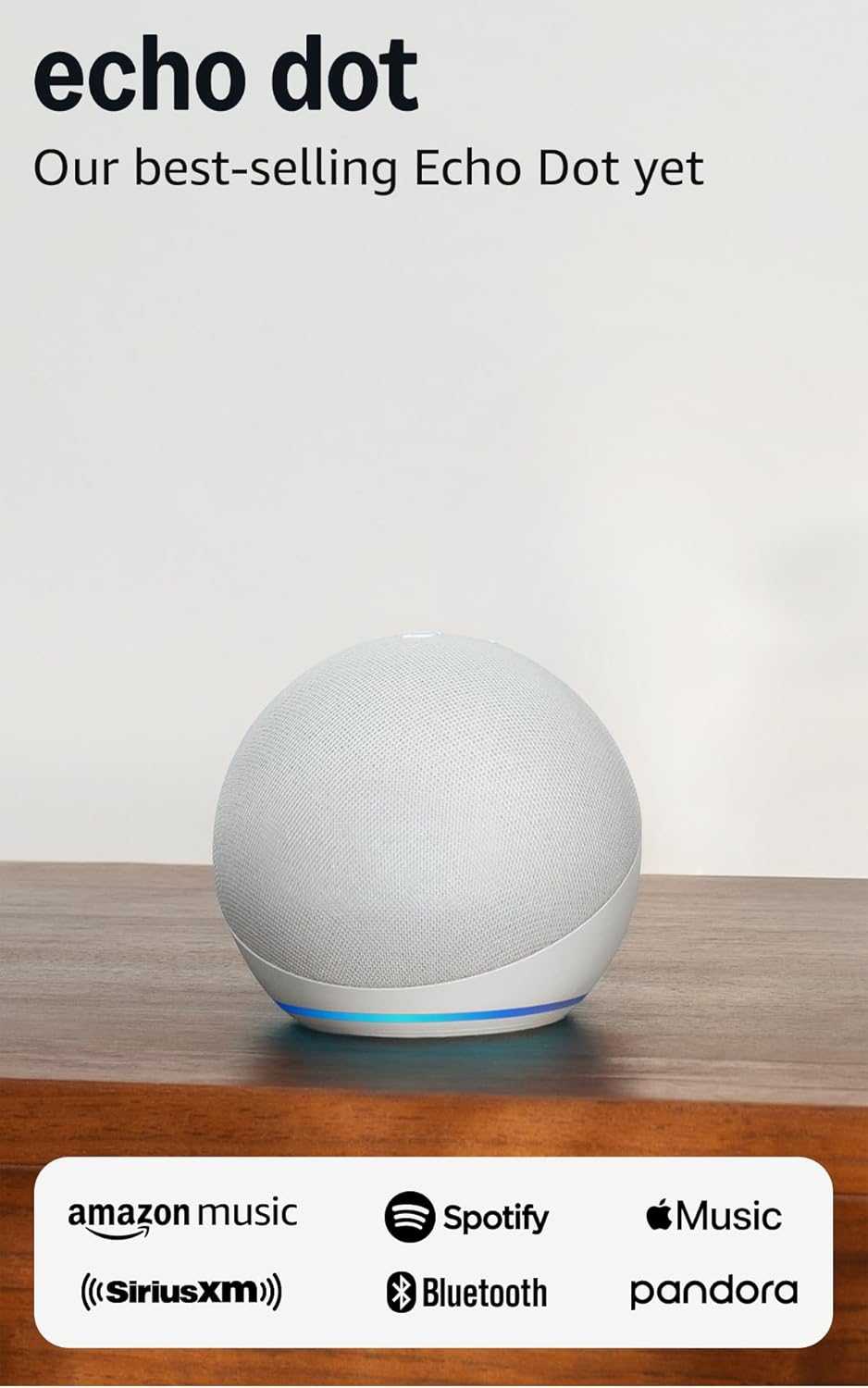
Amazon Echo Dot (newest model) - Vibrant sounding speaker...
As an Amazon Associate we earn from qualifying purchases.
Official Manufacturer Manual
Amazon provides official product documentation through their online manual rather than downloadable PDF. Access setup guides, troubleshooting steps, and product specifications for your Amazon Echo Studio.
Source: amazon.com
Need More Help? Amazon Support
Note: The contact information below connects you directly to Amazon's official customer support team, not Trunetto. They can help with warranty claims, device replacements, and advanced technical issues.
How Does Amazon Compare?
Before replacing your Amazon device, see how it stacks up against alternatives in our full comparison guides.
Accessories owners commonly pair with Amazon Echo Studio.

Amazon Basics 65 Piece Home Repair Tool Kit Set With Carr...

Amazon Basics Smart Plug, Matter Compatible, Compatible w...

Amazon Basics Dual Smart Plug with Motion Sensor and Nigh...
As an Amazon Associate we earn from qualifying purchases.