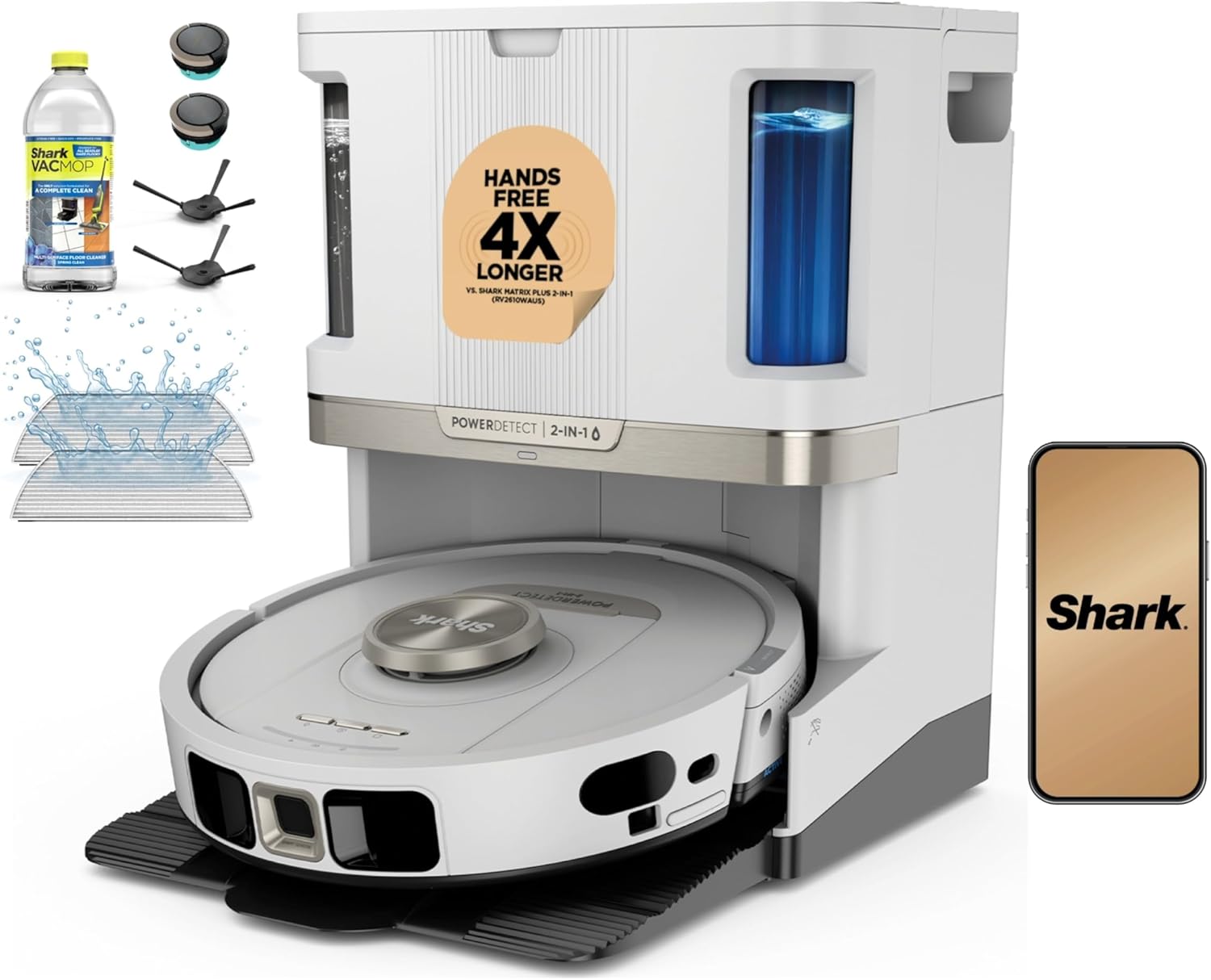

Why Does My Shark Robot Vacuum Keep Getting Stuck on Rugs and Thresholds
- Rug edge too tall for the robot's ground clearance
- Rug fringe getting caught in the brushes
- Dark rug triggering the cliff sensors and stopping the robot
Problem Description
Your Shark robot vacuum gets stuck on rug edges carpet transitions and door thresholds. It drives onto the rug then cannot get off or it approaches the threshold and the wheels spin without moving forward. You have to rescue it multiple times per cleaning session. Shark robots have lower ground clearance than some competitors making rug edges a persistent problem.
Why This Happens in Real Homes
If your Shark robot keeps getting stuck on rug edges and room thresholds, the issue is usually a mix of surface height, traction, and sensor behavior. In real home use, this looks like the robot hanging at the same transition points every run, spinning wheels without climbing, or getting trapped where carpet meets hard floor.\n\nMost cases come from tall rug lips, loose fringe wrapping the rollers, dark carpet triggering cliff detection, worn drive wheels, or suction settings that make thick carpet harder to cross. The key is to remove one friction point at a time and retest the same trouble spots.\n\nA practical order is: add transition ramps at the worst edges, secure or remove fringe, tune cliff-sensor behavior for dark rugs, inspect and clean drive wheels, then reduce suction on thick carpet zones. After each step, run a full pass through the exact stuck areas and confirm the robot clears them without manual rescue.
Symptoms
- Robot stuck on a rug edge every cleaning
- Wheels spin but the robot cannot climb the threshold
- Robot gets on the rug but cannot get off
- Bumper stuck under low furniture edges
- Robot repeatedly returns to the same stuck spot
- Cleaning never completes because it keeps getting stuck
- Robot beaches on a high-pile rug and spins
- Lightweight rug slides and bunches, trapping the robot
Recognize these? Here's what usually causes it.
Common Causes
- Rug edge too tall for the robot's ground clearance
- Rug fringe getting caught in the brushes
- Dark rug triggering the cliff sensors and stopping the robot
- Threshold between rooms too high
- Robot drive wheels worn, reducing traction
- Suction pulling the robot down onto thick carpet
- Lightweight rug not anchored, so it slides and folds under the robot
- Hair wound around the drive-wheel axles cutting traction
Most fixes happen in the first 3 steps.
Covering cliff sensors disables stair protection. If you have stairs never cover cliff sensors or the robot may fall causing damage and a safety hazard.
Tools & Requirements
These tools will help you complete this fix.
As an Amazon Associate we earn from qualifying purchases.
Step-by-Step Solution
Identify exact rug and threshold locations causing stalls
Map where the robot consistently gets trapped and note surface type and edge height, because repeated stall points usually indicate a geometry or traction mismatch.
Check brush, wheels, and front caster for drag
Clean hair and debris from drive components and make sure free rotation, since reduced wheel torque makes transitions over rug edges far more likely to fail.

Needed for this step
OXO Grips Electronics Cleaning Brush
This helps complete the fix you are currently reading.
$9.99Adjust map boundaries and no-go zones near traps
Set exclusion zones for problematic transitions while preserving primary coverage areas, because software routing controls can prevent repeated mechanical hangups.
Modify environment with transition ramps or tape guides
Use low-profile threshold ramps or secure rug edges where needed, since minor physical adjustments often solve recurring navigation stalls better than repeated resets.
Retest multi-room run and confirm trap-free pathing
Run a full cycle after adjustments and verify whether the robot clears former trap points consistently before removing any temporary no-go boundaries.
Quick Solutions
Still having issues? This is usually the deeper cause below.
If the robot returns to the dock mid-clean, moved furniture may have invalidated its map — a fresh floor scan resolves the majority of navigation failures.
Map your home and note every spot the robot gets stuck. Set no-go zones for spots you cannot fix physically. It is better to vacuum those areas manually than rescue the robot every day.
Robot vacuums that 'stop working' are usually fighting a corrupted map from moved furniture — a fresh floor scan fixes the majority of reported failures.
- Rug edge too tall for the robot's ground clearance
- Rug fringe getting caught in the brushes
- Dark rug triggering the cliff sensors and stopping the
- Threshold between rooms too high
- Robot drive wheels worn, reducing traction
Before you go — try one of these (they fix most cases).
Most popular upgrades chosen by Shark Robot Vacuum owners.
As an Amazon Associate we earn from qualifying purchases.
Official Manufacturer Manual
Shark provides official product documentation through their online manual rather than downloadable PDF. Access setup guides, troubleshooting steps, and product specifications for your Shark Robot Vacuum.
Source: sharkclean.com
Need More Help? Shark Support
Note: The contact information below connects you directly to Shark's official customer support team, not Trunetto. They can help with warranty claims, device replacements, and advanced technical issues.
How Does Shark Compare?
Before replacing your Shark device, see how it stacks up against alternatives in our full comparison guides.