
How Does the Wyze Cam v3 Pro Starlight Sensor Work?
- Scene below the light level the sensor needs for color
- Night Vision forcing IR (black and white)
- No ambient light source nearby
Problem Description
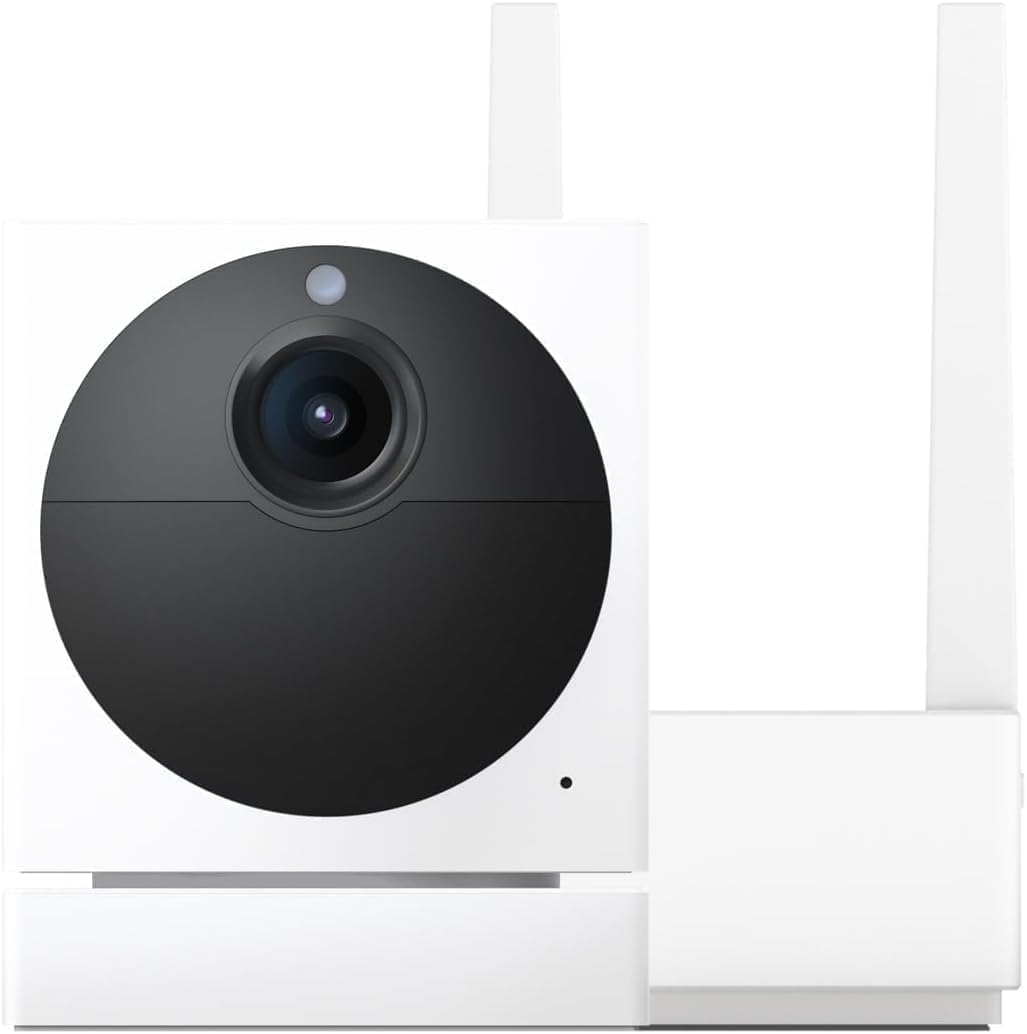
You want to understand how the Wyze Cam v3 Pro's Starlight sensor works for low-light recording. The v3 Pro has an upgraded Starlight CMOS sensor with an 8MP resolution and f/1.6 aperture. In low ambient light (streetlights, moonlight), it captures full-color 2K video without activating the IR LEDs. The sensor is on the front of the camera behind the lens housing.
Why This Happens in Real Homes
The v3 Pro's Starlight sensor is a larger, more sensitive image sensor that pulls usable color out of very low light — moonlight or a distant streetlight is often enough where an ordinary camera would fall back to infrared. It's an amplifier of existing light, though, not night-from-nothing: in a truly dark scene there's nothing to work with and IR takes over.
To get the most from it, give the scene a little ambient light and set Night Vision to the color mode rather than forcing IR. A clean lens helps, since every bit of gathered light counts. In pitch black, switch to infrared and accept black-and-white.
Symptoms
- Unsure how the Starlight sensor works
- Night image darker than expected
- Color vs black-and-white at night
- When IR kicks in
- Grainy low-light video
- Starlight not producing color
- Comparing to standard v3 night vision
- Low-light performance questions
Recognize these? Here's what usually causes it.
Common Causes
- Scene below the light level the sensor needs for color
- Night Vision forcing IR (black and white)
- No ambient light source nearby
- Lens dirty, cutting available light
- Firmware out of date
- Expecting color in total darkness
- IR illuminators overriding color
- Wrong night mode selected
Most fixes happen in the first 3 steps.
Security cameras should be installed at least 8 feet high to prevent tampering. Check local laws regarding recording audio and video. Never aim cameras at neighboring private property. Outdoor cameras should be rated IP65 or higher for weather resistance.
Tools & Requirements
Step-by-Step Solution
Understand the Starlight sensor capability
The Wyze Cam v3 Pro uses a Starlight CMOS sensor that captures significantly more light than standard camera sensors. In practical terms, this means the camera can produce usable color images in very low light — moonlight, distant streetlights, or a single dim porch light. Standard cameras would show a black image or switch to IR in the same conditions. The v3 Pro stays in color mode much longer.
Test the Starlight performance in your environment
View the camera live feed at night to see how the Starlight sensor performs at your specific location. The amount of ambient light determines quality. Near a streetlight: excellent color night vision. Backyard with no lighting: visible but very grainy. Total darkness (rural, no lights): the sensor eventually falls back to IR. The Starlight sensor is not a replacement for lighting — it maximizes whatever light is available.
Optimize your environment for Starlight
To get the best results from the Starlight sensor, add a small amount of ambient light. A 5-watt LED bulb on a porch or a low-voltage path light near the camera dramatically improves color night vision quality. The light does not need to be bright — the Starlight sensor amplifies it. Direct the light toward the scene, not toward the camera lens (which causes glare and washes out the image).
Compare with IR night vision
The Starlight sensor in color mode produces images with more detail for identification (colors, textures) but more noise (grain) than IR mode. IR mode produces cleaner, sharper images but in grayscale only. For security purposes where you need to identify clothing color or vehicle color, Starlight color mode is superior. For general motion monitoring where clarity matters more than color, IR may look better.
Fix poor Starlight performance
If the Starlight image looks worse than expected: clean the lens (fingerprints and dust reduce light gathering). Check that no bright light source is pointed directly at the camera (overwhelms the sensor and causes flare). Update firmware — Wyze improves image processing algorithms in updates. Verify you are using the v3 Pro and not the standard v3 — the standard v3 has a Starlight sensor too, but the Pro version has a larger, better sensor with improved low-light performance.
Quick Solutions
Still having issues? This is usually the deeper cause below.
If flickering only happens on dimming, the issue is almost always the dimmer's minimum-load setting, not the bulb — it's drawing less current than the dimmer expects.
Set up activity zones to monitor only the areas that matter like your front porch and driveway and exclude the street. This dramatically reduces false alerts while ensuring you never miss an actual event at your property.
This issue almost always looks more complex than it is — the majority of cases trace back to a single setting, a stale credential, or a default that shipped wrong.
- Scene below the light level the sensor needs for
- Night Vision forcing IR (black and white)
- No ambient light source nearby
- Lens dirty, cutting available light
- Firmware out of date
Before you go — try one of these (they fix most cases).
Most popular upgrades chosen by Wyze Cam v3 Pro owners.

Wyze Cam v3, 1080P HD WiFi Wired Indoor/Outdoor Home Secu...
WYZE Cam v3, 1080P HD WiFi Wired Indoor/Outdoor Home Secu...

Wyze Cam OG Indoor/Outdoor 1080p Wi-Fi Smart Home Securit...
As an Amazon Associate we earn from qualifying purchases.
Official Manufacturer Manual
Wyze provides official product documentation through their online manual rather than downloadable PDF. Access setup guides, troubleshooting steps, and product specifications for your Wyze Cam v3 Pro.
Source: wyze.com
Need More Help? Wyze Support
Note: The contact information below connects you directly to Wyze's official customer support team, not Trunetto. They can help with warranty claims, device replacements, and advanced technical issues.
How Does Wyze Compare?
Before replacing your Wyze device, see how it stacks up against alternatives in our full comparison guides.